Lithography Equipment: What It Is and How It Powers Modern Manufacturing
When you hold a smartphone or use a laptop, you're holding something built with lithography equipment, a precision manufacturing process that etches microscopic patterns onto silicon wafers to create microchips. Also known as photolithography, it’s the reason your devices are faster, smaller, and more powerful than ever. Without this technology, there’d be no smartphones, no electric cars, no AI chips—just basic electronics stuck in the 1980s.
Lithography equipment doesn’t work alone. It’s part of a bigger system called semiconductor manufacturing, the industrial process of producing integrated circuits used in nearly every electronic device today. This process needs clean rooms, chemical baths, robotic arms, and most importantly, lithography machines that use light to print circuit patterns smaller than a virus. These machines are so precise they can fit over a billion transistors on a chip the size of a fingernail. Countries like the U.S., Japan, and the Netherlands lead in making these machines, but India is starting to build its own capacity in component supply and testing labs.
The same core technology is also used in chip fabrication, the factory process where raw silicon is turned into working processors. Every step—from cleaning the wafer to applying photoresist, exposing it with UV light, and etching away unwanted material—relies on lithography. It’s not just about light; it’s about timing, temperature, and purity. One speck of dust can ruin a whole batch of chips. That’s why only a handful of companies in the world can make the best lithography tools, and why even small upgrades in this equipment can change the entire electronics market.
You won’t see lithography equipment in your local factory, but you feel its impact every day. From the GPS in your car to the medical scanners in hospitals, it’s all built on these tiny, printed circuits. And as India pushes to become a global hub for electronics manufacturing, understanding this tech isn’t just for engineers—it’s for anyone who wants to know how the modern world is actually made.
Below, you’ll find real examples of how this technology connects to manufacturing trends, supply chains, and small-scale innovation across India and beyond. Some posts talk about how local makers are using simpler printing methods to create prototypes. Others explore why India’s push into electronics is tied directly to access to better lithography tools. There’s no fluff here—just clear, practical insights into what’s really happening in the world of high-tech production.
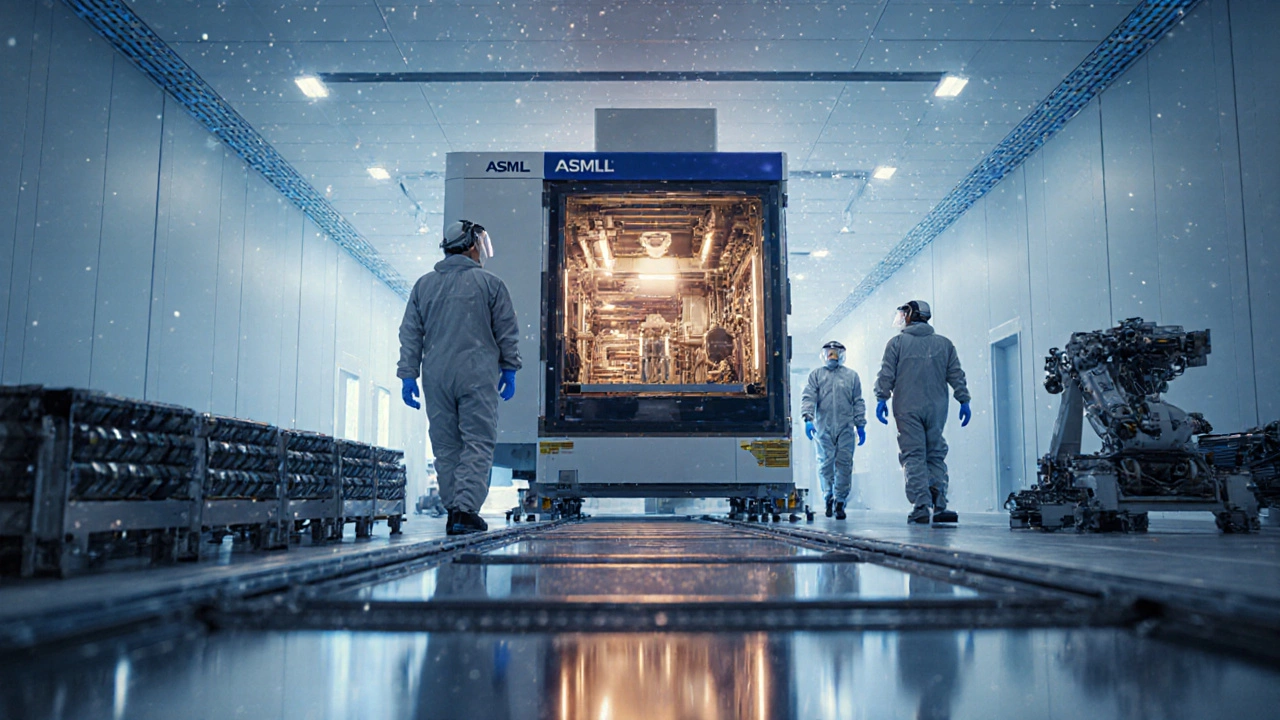
Why America Struggles to Build Semiconductors
Explore why the United States lags in semiconductor production, covering cost, talent, equipment, supply chain and policy factors, plus a roadmap for growth.
Electronics Manufacturing
Latest Posts




Tags
- manufacturing
- small scale manufacturing
- plastic manufacturing
- plastic pollution
- India
- food processing
- textile industry
- government schemes
- electronics manufacturing
- small business
- steel manufacturing
- startup ideas
- production
- textile manufacturers India
- manufacturing business ideas
- business ideas
- chemical manufacturers India
- electronics manufacturing India
- steel manufacturing plants
- plastic manufacturers