Food Production: How India Is Changing the Way We Make Food
When we talk about food production, the end-to-end process of turning raw ingredients into safe, packaged food products. Also known as food manufacturing, it’s not just about growing crops or raising animals—it’s about cleaning, mixing, heating, drying, and sealing food in ways that keep it safe, tasty, and shelf-stable. This isn’t magic. It’s engineering. And in India, it’s getting faster, smarter, and more scalable every year.
Behind every packet of spices, bottle of juice, or ready-to-eat meal is a chain of food processing, the series of physical and chemical steps that transform raw materials into consumable goods. These steps—called unit operations, the basic building blocks like cleaning, mixing, separation, and packaging—are the same whether you’re making masala in a small kitchen or yogurt in a factory in Gujarat. The difference? Scale, consistency, and control. India’s food production sector is no longer just about tradition. It’s about precision. Companies are now using automated mixers, high-temperature pasteurizers, and vacuum sealers to meet rising demand, export standards, and consumer expectations for safety and shelf life.
And it’s not just about machines. food science, the study of how ingredients behave under heat, pressure, and time is driving real innovation. Why does your instant noodles cook in 3 minutes? Why does plant-based paneer taste like the real thing? It’s food science at work. Indian labs and startups are now developing alternatives to imported preservatives, designing packaging that reduces plastic waste, and even using AI to predict spoilage. This isn’t theory—it’s happening in small factories in Tamil Nadu, large plants in Punjab, and cold-chain hubs in Maharashtra.
What you’ll find below isn’t a list of abstract ideas. It’s real, practical content from people who’ve seen the inside of food production lines. You’ll learn how basic unit operations turn raw turmeric into powder, why voltage matters when running a food dryer, and how India’s chemical and manufacturing policies are quietly reshaping what ends up on your plate. There’s no fluff. Just facts, stories, and insights from the ground level of India’s food manufacturing revolution.
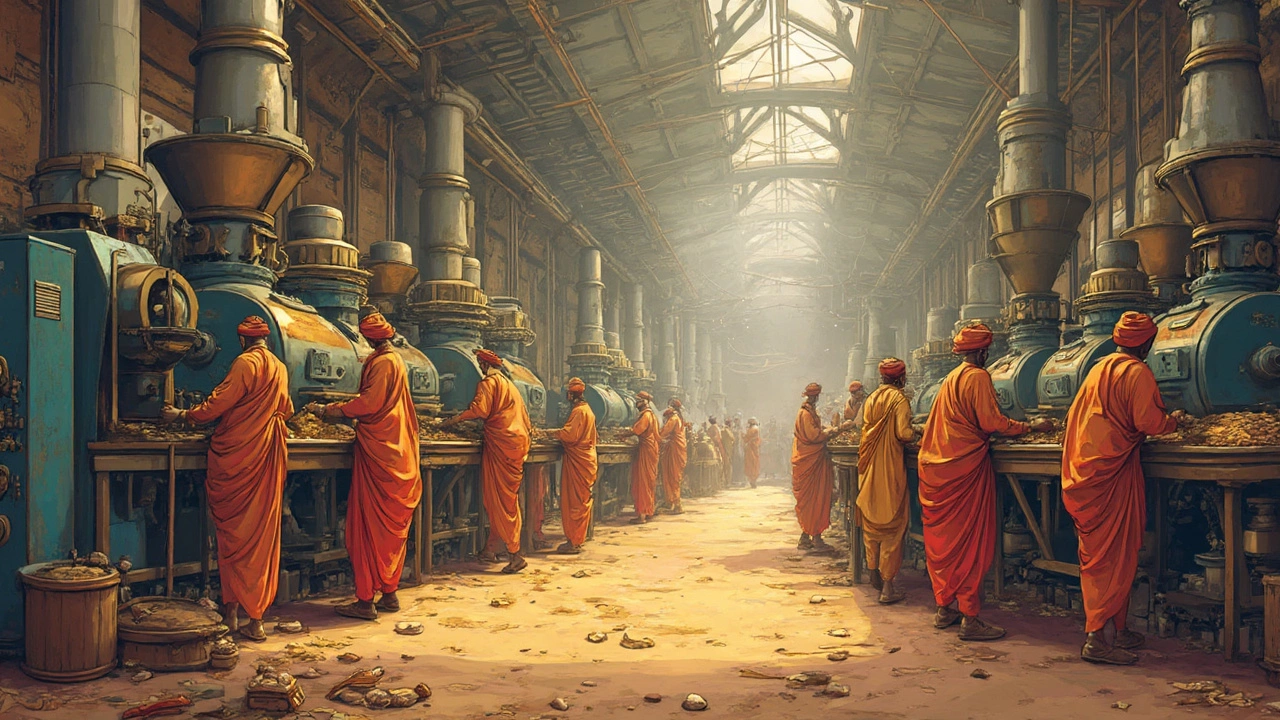
Understanding Food Processing Units: A Basic Guide
Food processing units transform raw ingredients into consumable goods in efficient and cost-effective ways. They play a crucial role in scaling production while maintaining quality and safety. Understanding these units can help businesses choose the right equipment to meet their production needs. From grinding grains to packaging finished products, food processing units help manage each stage of food production.
Food Processing
Latest Posts


Tags
- manufacturing
- small scale manufacturing
- plastic manufacturing
- plastic pollution
- India
- food processing
- textile industry
- government schemes
- electronics manufacturing
- small business
- steel manufacturing
- startup ideas
- production
- textile manufacturers India
- manufacturing business ideas
- business ideas
- chemical manufacturers India
- electronics manufacturing India
- steel manufacturing plants
- plastic manufacturers