Fabric Production in India: How It Works, Who Makes It, and Why It Matters
When you think about fabric production, the process of turning raw fibers like cotton, polyester, or silk into usable cloth through spinning, weaving, and finishing. Also known as textile manufacturing, it’s one of the oldest and still one of the biggest industries in India, employing over 45 million people and contributing nearly 2% to the country’s GDP. This isn’t just about making clothes—it’s about building everything from hospital gowns to car seat covers, from export-ready sarees to technical fabrics for aerospace. And while global brands often hide where their fabrics come from, India quietly produces more than 20% of the world’s cotton textiles.
Behind every yard of fabric is a chain of steps: cotton farming, the cultivation of raw fiber, mostly in states like Maharashtra, Gujarat, and Telangana, then spinning, where fibers are twisted into yarn using ring frames or open-end systems, followed by weaving or knitting, the actual interlacing of yarns into cloth on power looms or handlooms. After that comes dyeing, printing, and finishing—where chemicals, heat, and pressure give fabric its color, texture, and durability. The Gujarat Textile Policy 2024, a state-level incentive program offering subsidies, tax breaks, and infrastructure support to manufacturers is pushing this chain forward, making Gujarat the top textile hub in India, handling nearly 40% of the nation’s output.
What’s changing fast? Automation. Small factories that once relied on handlooms are now adding semi-automatic looms to boost output without losing quality. Export demand is rising too—from Bangladesh to the US, buyers are looking for Indian-made fabrics that balance cost, ethics, and consistency. But challenges remain: inconsistent power supply, water scarcity in dyeing units, and competition from cheaper synthetic imports. Still, India’s edge? Skilled labor, deep tradition in handloom crafts, and growing government backing. You won’t find this level of variety anywhere else—whether it’s hand-block printed cotton from Rajasthan or high-tech technical fabrics from Surat.
Below, you’ll find real stories and breakdowns from people who live this industry—the small manufacturers scaling up, the policy changes that actually moved the needle, and the surprising ways fabric production connects to everything from food processing to plastic waste. No fluff. Just what’s happening on the ground, in real factories, right now.
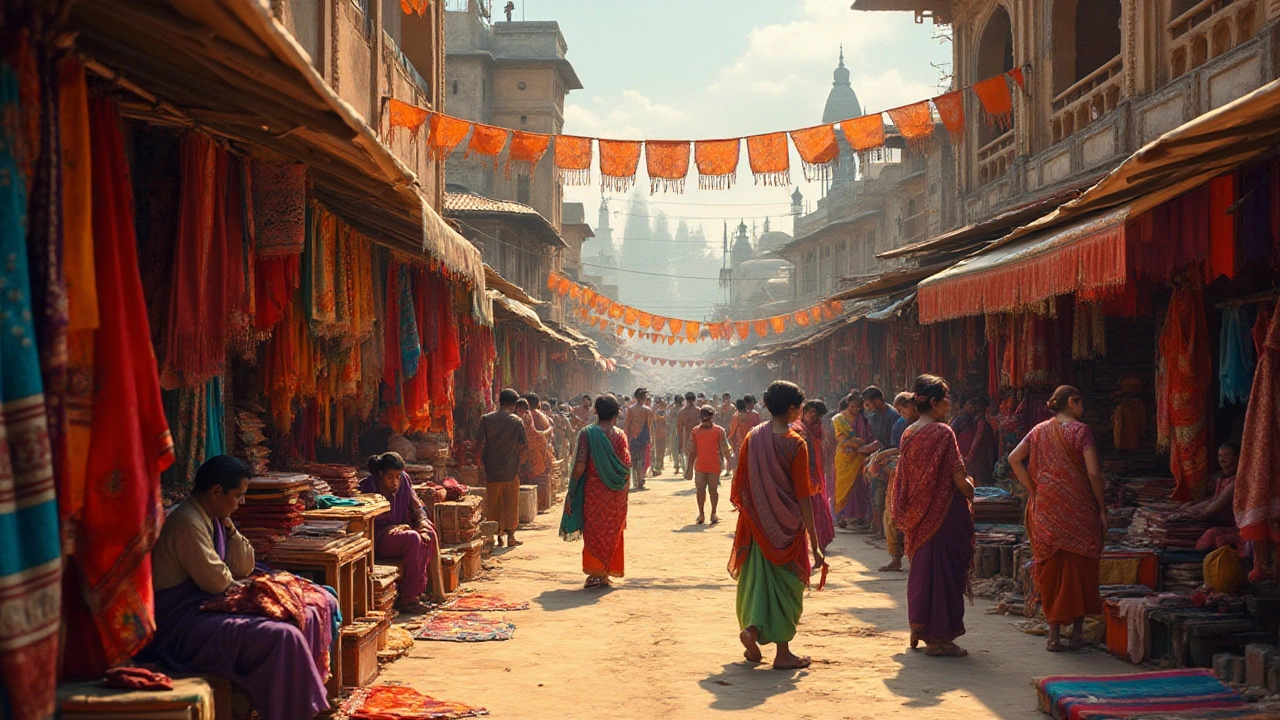
Is India the World's Textile Powerhouse in 2025?
The textile industry in India has a rich history and plays an integral role in the global market. Known for its diverse and quality fabrics, India is often considered a textile hub. The country boasts a wide array of traditional and modern techniques. In 2025, India continues to innovate while staying true to its heritage. This article explores India's status as a textile powerhouse.
Textile Manufacturing
Latest Posts



Tags
- manufacturing
- small scale manufacturing
- plastic manufacturing
- India
- plastic pollution
- food processing
- textile industry
- government schemes
- electronics manufacturing
- small business
- steel manufacturing
- startup ideas
- production
- textile manufacturers India
- manufacturing business ideas
- business ideas
- chemical manufacturers India
- electronics manufacturing India
- steel manufacturing plants
- manufacturing business