Cottage Industry: Small-Scale Manufacturing That Powers India’s Economy
When you think of manufacturing, you picture factories, robots, and assembly lines. But cottage industry, a form of small-scale, home-based manufacturing where individuals or families produce goods by hand. Also known as home-based production, it’s the quiet engine behind India’s most authentic products—from handwoven textiles in Varanasi to hand-forged tools in Bihar. Unlike big factories, cottage industries don’t need heavy machinery or big loans. They use what’s already there: skill, time, and local materials. And they’re not disappearing—they’re adapting. In fact, over 70% of India’s textile output still comes from cottage-level workers, not mills.
This isn’t just tradition. It’s smart economics. A woman in Rajasthan spinning yarn on a charkha isn’t just making fabric—she’s keeping a skill alive, feeding her family, and avoiding the overhead of a factory. These setups thrive on low startup costs, zero inventory risk, and direct local sales. You’ll find them making jute bags in West Bengal, leather chappals in Agra, brass lamps in Tamil Nadu, and even hand-painted pottery in Madhya Pradesh. They’re the original small-scale manufacturing model, and they’re still beating big brands at their own game in niche markets.
What makes cottage industries different isn’t just scale—it’s flexibility. A single artisan can change designs overnight based on customer feedback. No corporate approvals. No supply chain delays. If a village needs more clay pots for monsoon season, they make them. If a city wants hand-stitched quilts with modern patterns, they adapt. This agility is why they survive, even when big factories struggle with changing trends. And because they rely on local talent, they create jobs without needing infrastructure investments. No new roads. No power upgrades. Just people, tools, and a table.
There’s a reason the Indian government keeps pushing policies like the Khadi and Village Industries Commission. These aren’t relics—they’re resilience. They don’t need foreign investment to grow. They grow because someone, somewhere, decided to turn a skill into a livelihood. And now, with social media and direct-to-consumer platforms, these makers are reaching customers far beyond their villages. A potter in Odisha can now sell to a buyer in Delhi without a middleman. A weaver in Assam can ship a sari to London with just a phone and a courier.
Below, you’ll find real stories of people who turned scraps into income, started businesses with no money, and built profitable small manufacturing ideas from their homes. These aren’t theories. These are lives changed by the power of making something by hand—and selling it with pride.
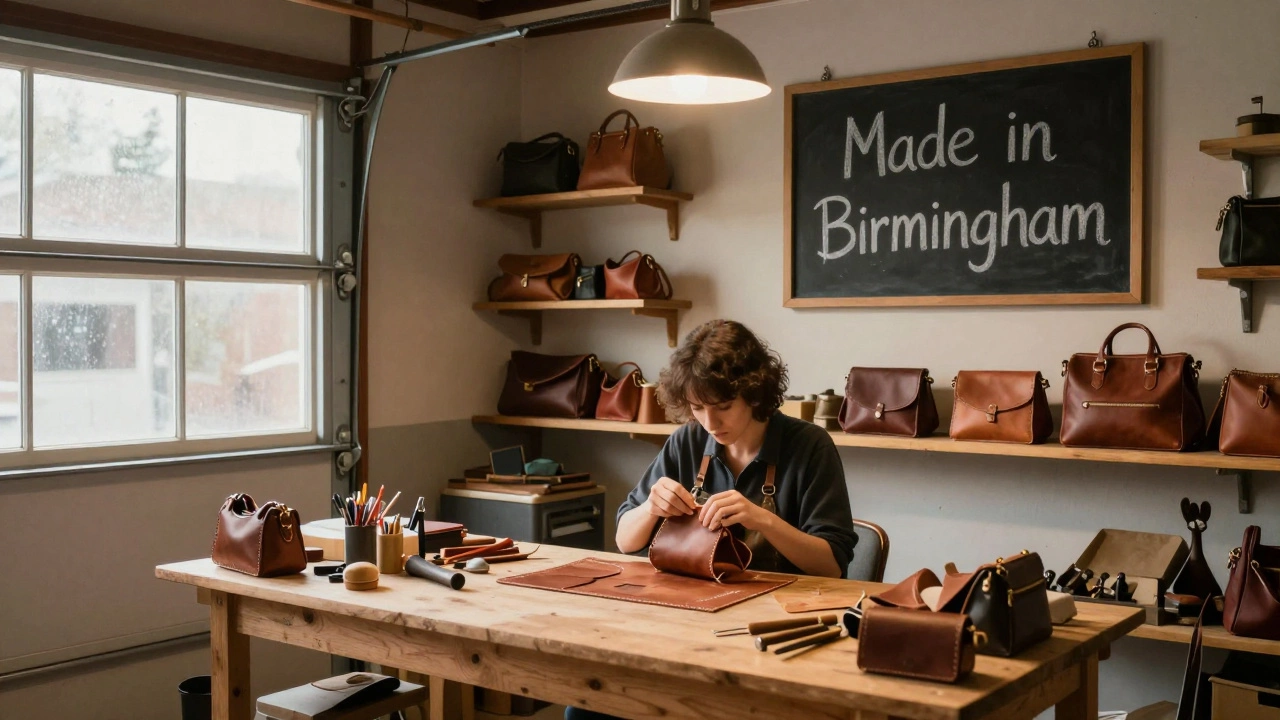
What Is Small Scale Manufacturing? Simple Definition and Real Examples
Small scale manufacturing means making products in small batches, often by hand, with local materials and minimal staff. It’s about quality, control, and connection-not mass production. Learn what it is, how it works, and why it matters today.
Small Scale Manufacturing
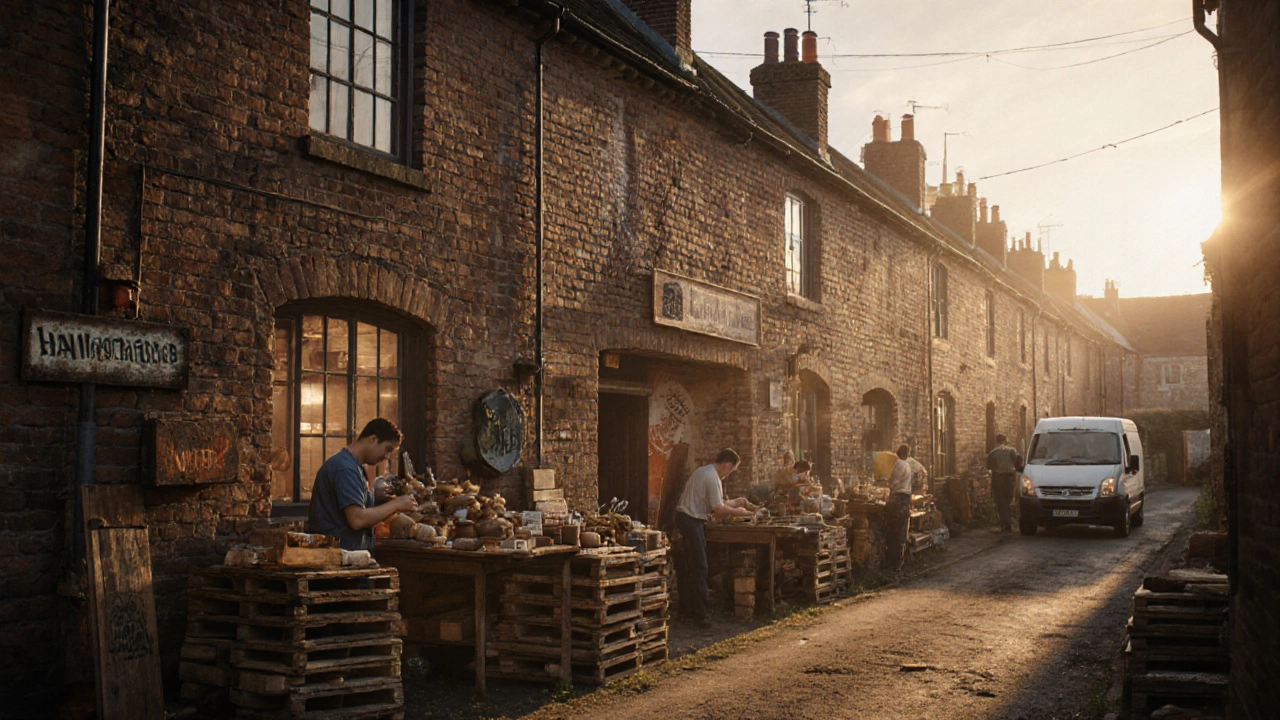
What Is a Small Manufacturer? Definition, Traits, and How to Grow One
A clear guide defining small manufacturers, their traits, sectors, UK regulations, growth tactics, and a starter checklist for entrepreneurs.
Small Scale ManufacturingLatest Posts


Tags
- manufacturing
- small scale manufacturing
- plastic manufacturing
- plastic pollution
- India
- food processing
- textile industry
- government schemes
- electronics manufacturing
- small business
- steel manufacturing
- startup ideas
- production
- textile manufacturers India
- manufacturing business ideas
- business ideas
- chemical manufacturers India
- electronics manufacturing India
- steel manufacturing plants
- plastic manufacturers