BS6 Norms: What They Are and How They’re Changing Indian Manufacturing
When you buy a new car or bike in India today, it runs on BS6 norms, India’s current standard for vehicle emissions that limits harmful pollutants like nitrogen oxides and particulate matter. Also known as Bharat Stage VI, it’s the biggest overhaul of India’s auto pollution rules in a decade. Before BS6, most vehicles followed BS4 standards—less strict, older tech. But starting April 2020, the government banned BS4 vehicles from being sold. That wasn’t just a policy change. It forced every carmaker, bike maker, and parts supplier in India to rebuild how they make engines, handle fuel, and test emissions.
Under BS6, engines need advanced tech like selective catalytic reduction, a system that turns toxic nitrogen oxides into harmless nitrogen and water vapor using a urea-based solution called AdBlue. Many vehicles now also use gasoline particulate filters, tiny mesh traps that catch soot before it leaves the exhaust. These aren’t optional add-ons—they’re mandatory. And they’re expensive. That’s why manufacturers had to redesign entire production lines, source new components from global suppliers, and train thousands of workers. Even fuel companies had to upgrade refineries to produce cleaner diesel and petrol with lower sulfur content. The result? Cleaner air, yes—but also higher prices, longer development cycles, and a manufacturing landscape that’s now more complex than ever.
What’s interesting is how this shift exposed weaknesses in India’s supply chain. Small component makers struggled to meet BS6 specs. Many couldn’t afford the R&D or testing equipment. Some shut down. Others got bought out by bigger players. Meanwhile, states like Gujarat and Tamil Nadu became hotspots for BS6-compliant engine parts manufacturing, thanks to better infrastructure and government support. This wasn’t just about cleaning up exhaust pipes—it was about upgrading an entire industrial ecosystem. If you’re in manufacturing, whether you make engines, filters, sensors, or even packaging for AdBlue bottles, BS6 changed your business. And it’s still changing it.
Below, you’ll find real stories from Indian manufacturers who adapted—or didn’t. Some turned BS6 into a competitive edge. Others got left behind. You’ll see how fuel quality, testing labs, and even local suppliers played a role. No theory. Just what happened on the factory floor.
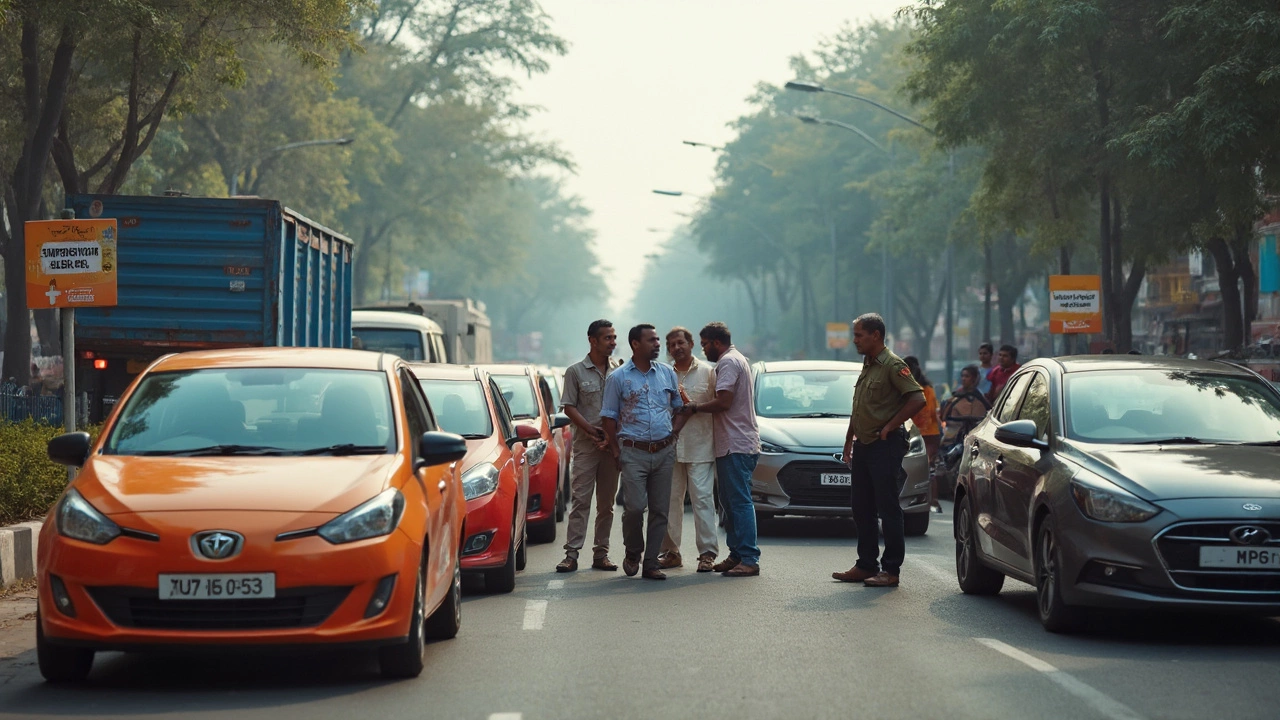
Banned Vehicles in India: What You Need to Know
Confused about which vehicles aren't allowed on Indian roads anymore? This article unpacks vehicle bans in India—from strict emissions rules to why certain models got the boot. You'll find facts about how government policies, pollution control, and safety standards are reshaping what cars can be sold or driven. Get the scoop on what makes a car banned and how these rules impact drivers and manufacturers. If you're thinking about buying, importing, or selling a car, don't skip these tips.
Automobile Manufacturing
Latest Posts
Tags
- manufacturing
- small scale manufacturing
- plastic manufacturing
- India
- plastic pollution
- food processing
- textile industry
- government schemes
- electronics manufacturing
- small business
- steel manufacturing
- startup ideas
- production
- textile manufacturers India
- manufacturing business ideas
- business ideas
- chemical manufacturers India
- electronics manufacturing India
- steel manufacturing plants
- manufacturing business