Batch Production: How Small Manufacturers Use It to Build Profitable Products
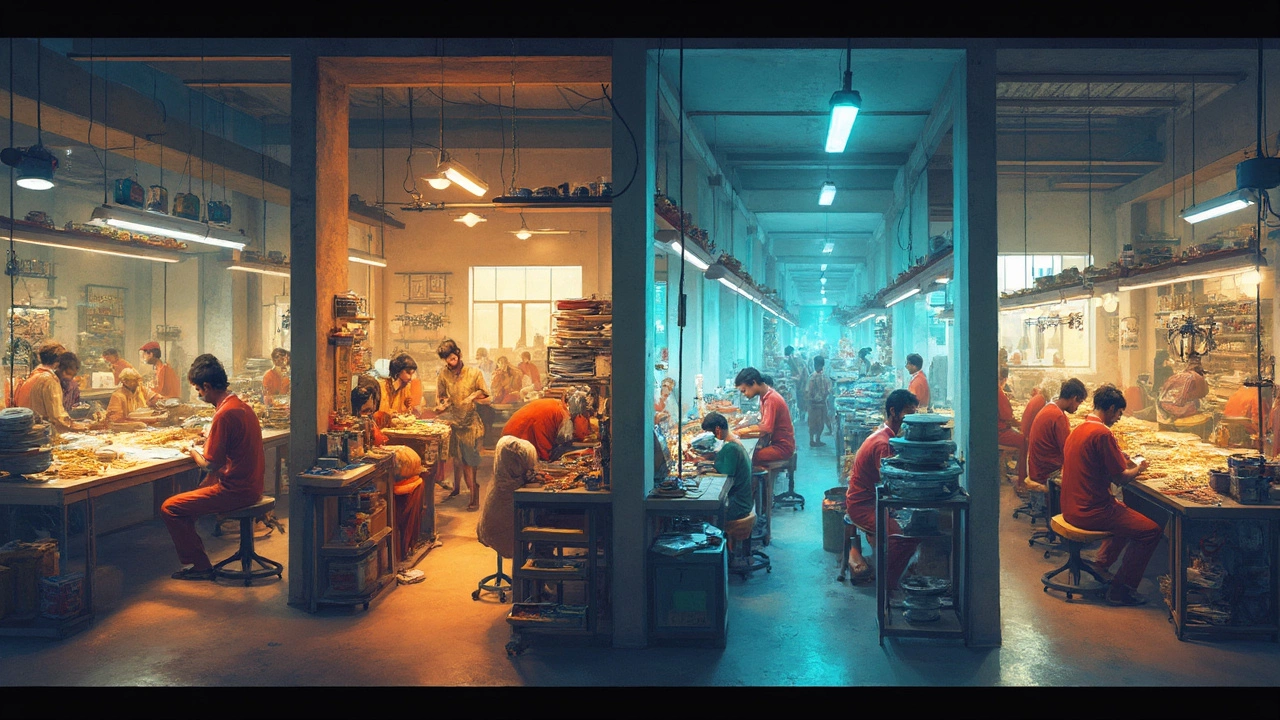
When you think of manufacturing, you might picture giant factories with robots lining up cars or phones. But batch production, a manufacturing method where products are made in groups rather than one at a time or in endless streams. Also known as job batch manufacturing, it’s the quiet backbone of thousands of small businesses across India that make things like handmade soaps, custom electronics enclosures, or stitched textiles. This isn’t mass production. It’s not custom one-offs either. It’s the sweet spot in between—making enough to save time and cost, but not so much that you’re stuck with unsold stock.
Batch production small scale manufacturing, a category of production used by businesses with limited space, capital, or labor thrives on flexibility. A maker in Ludhiana might run a batch of 500 wooden phone stands one week, then switch to 300 ceramic spice jars the next. No retooling a whole factory. No waiting for a million-unit order. Just clean setup, focused run, and quick turnover. This method works because it matches real demand—not guesswork. You test the market with 200 units, not 20,000. If they sell, you run another batch. If they don’t, you pivot before losing money.
It’s not just about size—it’s about control. With batch production, you manage quality step by step. One batch of 100 LED light housings? You can check every single one. One batch of 1,000? You still have time to catch a defect before it becomes a recall. Compare that to continuous production, where a single error can ruin thousands before anyone notices. That’s why production efficiency, the balance between speed, cost, and output quality in manufacturing matters more than sheer volume for small players. You don’t need to be the biggest. You just need to be smart about how much you make at once.
Batch sizing is the hidden skill here. Too small, and you waste time switching setups. Too big, and you tie up cash in unsold goods. Successful makers in Gujarat, Tamil Nadu, and Maharashtra track their sales like a daily report. They adjust batch sizes based on season, customer feedback, or even festival demand. A maker of handcrafted leather wallets might run 400 units before Diwali, then drop to 150 in January. That’s not luck—it’s strategy built on real data, not forecasts.
You’ll find batch production in food processing too. A small spice grinder in Jaipur doesn’t make 10 tons of turmeric powder every day. They make 50 kg, package it, and sell it locally. That’s food processing, the transformation of raw ingredients into safe, shelf-ready products done right—controlled, clean, and customer-driven. Same goes for electronics. A startup in Bengaluru doesn’t mass-produce circuit boards. They make 200 at a time, test them, tweak the design, then run the next batch.
What you’ll find below are real stories from Indian makers who use batch production to build profitable businesses with little more than a workshop, a few tools, and a clear idea. Some turned scrap into products. Others scaled from kitchen tables to local distributors. No billion-dollar factories. Just smart decisions, one batch at a time.
Manufacturing Systems: The Four Core Types Explained Simply
Ever wondered how products go from raw materials to finished goods? This article breaks down the four basic types of manufacturing systems you see everywhere, showing how each one works and why it matters for government support and business success. With practical tips and real-life examples, you'll see how choosing the right system can boost efficiency and even qualify your business for handy government programs. Ideal for manufacturers, government scheme applicants, or anyone curious about how stuff gets made. Discover the pros, cons, and the surprising ways these systems shape our daily lives.
Government Schemes
Latest Posts




Tags
- manufacturing
- small scale manufacturing
- plastic manufacturing
- India
- plastic pollution
- food processing
- textile industry
- government schemes
- electronics manufacturing
- small business
- steel manufacturing
- startup ideas
- production
- textile manufacturers India
- manufacturing business ideas
- business ideas
- chemical manufacturers India
- electronics manufacturing India
- steel manufacturing plants
- manufacturing business