
Manufacturing Startup Unit Economics Calculator
Calculate your break-even point and potential monthly profit based on your manufacturing costs, pricing strategy, and production volume.
Financial Analysis
Profit from each unit after variable costs
Units needed to cover all costs
Most people think manufacturing is the process of converting raw materials into finished goods on a large scale using heavy machinery and massive factories. That image of smokestacks and assembly lines hasn't been accurate for decades. Today, getting into manufacturing doesn't require millions in capital or a sprawling campus. It requires a sharp eye for niche demand, a solid grasp of supply chain logistics, and the willingness to embrace digital tools.
If you are looking to start a business that makes physical things, you are entering a sector that is undergoing a massive shift. The rise of Industry 4.0 is the integration of smart technologies like IoT sensors, AI, and cloud computing into industrial processes means that even a small workshop can operate with the efficiency of a larger plant. You don't need to build the next car engine to succeed. You just need to solve a specific problem better than anyone else.
The Shift from Mass Production to Niche Agility
Gone are the days when volume was the only metric that mattered. In 2026, the most successful new entrants in manufacturing are those who specialize. This is often called niche manufacturing is focusing on a very specific product category or customer segment rather than trying to serve the general market.
Why does this matter? Because big players are too slow to adapt. They have rigid supply chains and high overheads. If you start a company making custom ergonomic office accessories or specialized components for renewable energy systems, you can move fast. You can talk directly to your customers. You can iterate your design in weeks, not years. This agility is your biggest competitive advantage.
Consider the difference between trying to sell generic plastic bottles versus producing biodegradable packaging for local food startups. The former is a commodity war where price is everything. The latter is a value-based relationship where sustainability and customization drive the sale. Choose the path where you can add unique value, not just compete on cost.
Identifying Viable Manufacturing Startup Ideas
Finding the right idea is half the battle. You need a product that has enough demand to sustain a business but isn't so saturated that you drown in competition. Here are three areas showing strong growth potential for new entrants:
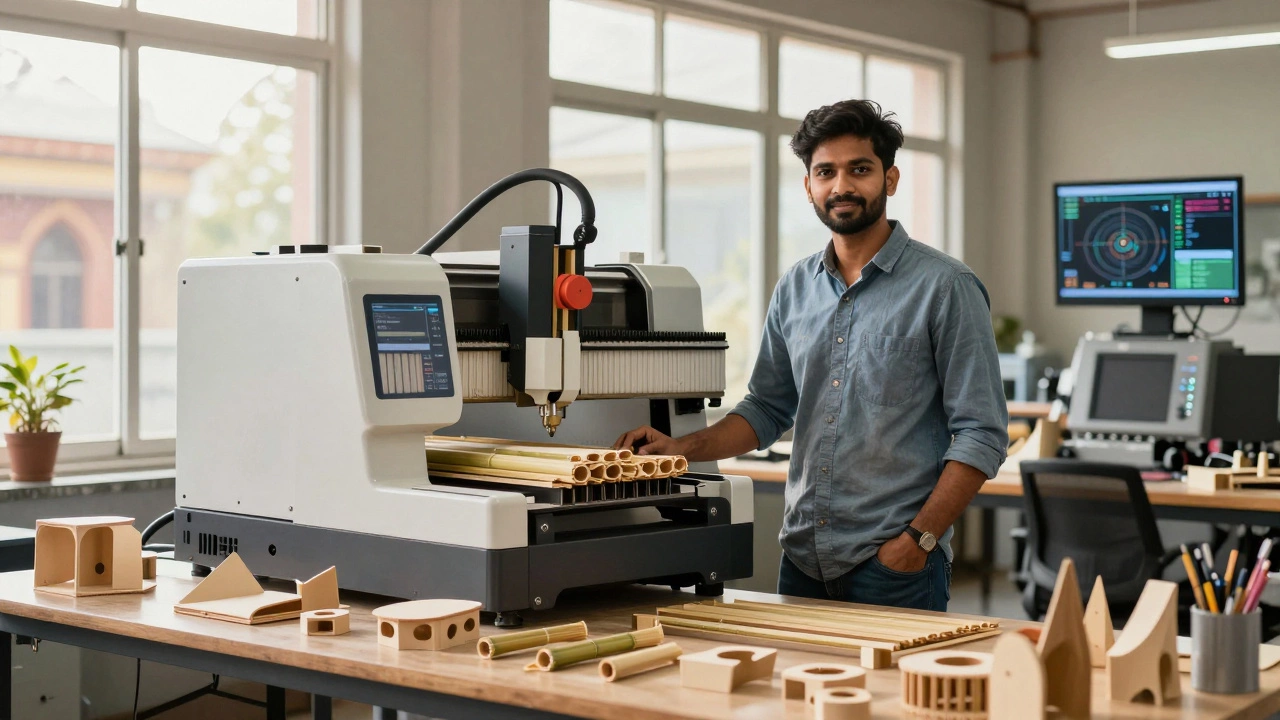
- Sustainable Materials: Consumers and regulators are pushing for eco-friendly alternatives. Think bamboo-based textiles, recycled ocean plastics turned into furniture, or compostable agricultural mulch films. The key here is sourcing reliable raw materials and proving the environmental benefit through certification.
- Medical Device Components: The healthcare sector is aging and expanding. Small manufacturers can produce sterilized packaging, custom brackets for surgical tools, or parts for diagnostic equipment. This requires strict adherence to quality standards like ISO 13485 is an international standard for quality management systems specific to medical devices, but the margins are healthy and long-term contracts are common.
- Custom Electronics Enclosures: With the boom in IoT (Internet of Things) devices, every sensor needs a housing. Using CNC machining is a subtractive manufacturing process that uses computer-controlled tools to remove material and create precise parts or injection molding, you can serve tech startups that need small batches of durable, waterproof enclosures.
Before committing, validate your idea. Talk to potential buyers. Ask them what they currently use and why they hate it. If they say "it's expensive" or "it breaks," you have found a pain point worth solving.
Lean Manufacturing: Your Operational Backbone
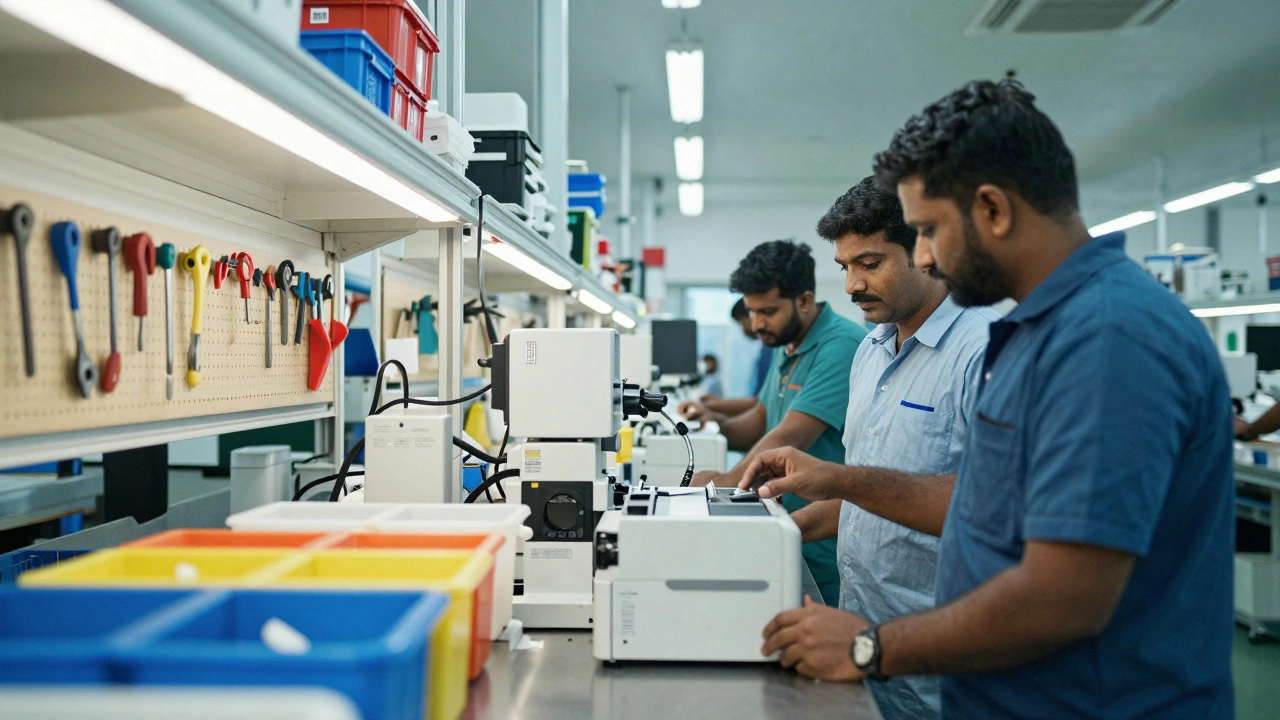
You cannot afford waste when you are starting out. Every scrap of material, every minute of idle machine time, and every hour of unnecessary movement costs you money. This is where lean manufacturing is a systematic method for waste minimization within a manufacturing system without sacrificing productivity becomes essential.
Lean isn't just a buzzword; it's a survival strategy. It originated at Toyota, but its principles apply to any size operation. The core idea is to maximize value while minimizing waste. There are seven types of waste identified in lean thinking: overproduction, waiting, transportation, over-processing, inventory, motion, and defects.
For a new startup, focusing on overproduction is critical. Don't make products until you have an order or a very clear forecast. Holding inventory ties up your cash flow. Instead, aim for a Just-in-Time (JIT) is an inventory strategy that aligns raw-material orders from suppliers directly with production schedules approach. This reduces storage costs and the risk of obsolescence.
Implementing lean also means empowering your team. If a worker sees a bottleneck, they should feel safe stopping the line to fix it. This culture of continuous improvement, known as Kaizen, ensures that your processes get better every day, not just when you force a major overhaul.
Technology and Automation: Start Smart, Scale Faster
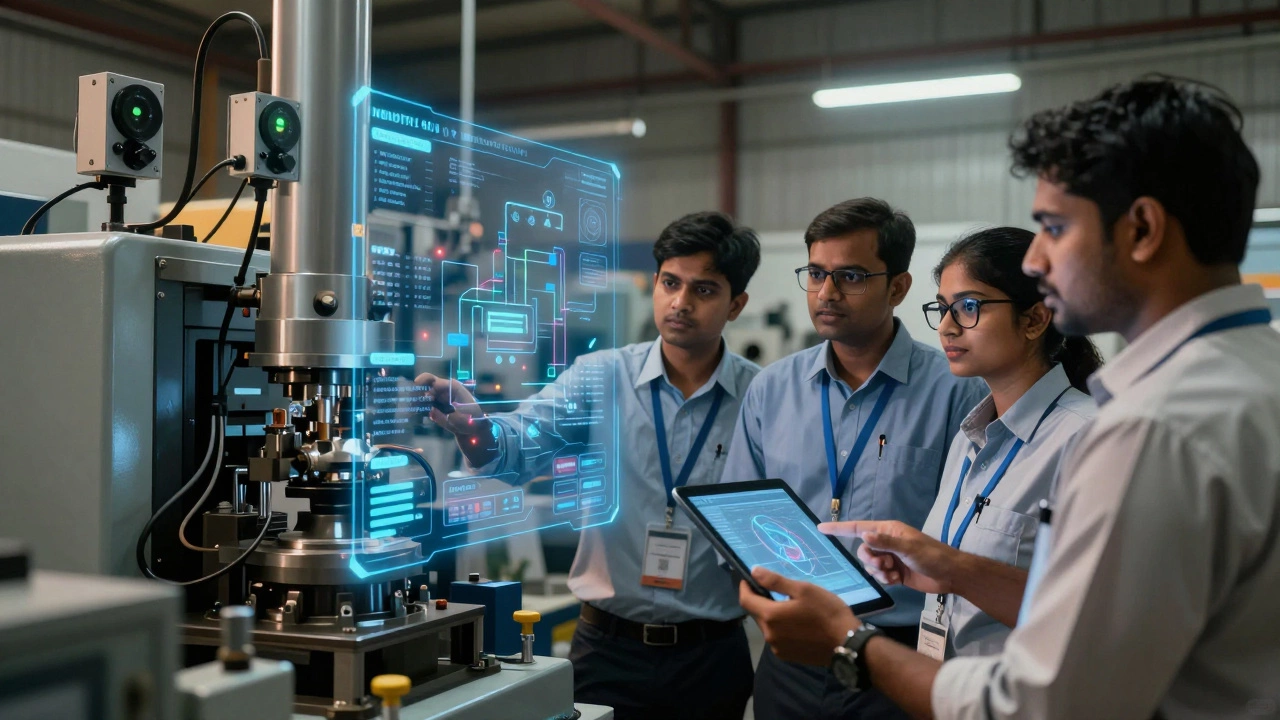
There is a misconception that automation is only for giants. While you might not buy a robotic arm on day one, you can adopt digital tools that give you similar benefits. Computer-Aided Design (CAD) is software used by engineers and architects to create precise 2D and 3D models of physical objects allows you to prototype virtually before cutting any metal or plastic. This saves thousands in material costs.
Next, look into ERP software is Enterprise Resource Planning software that integrates all facets of an operation, including planning, purchasing, inventory, sales, marketing, finance, and human resources. For small manufacturers, cloud-based ERP solutions are affordable and scalable. They help you track inventory levels, manage purchase orders, and generate invoices in real-time. Without this visibility, you are flying blind.
As you grow, consider adding simple IoT sensors to your machines. These can monitor vibration, temperature, and usage hours. If a motor starts vibrating abnormally, the system alerts you before it fails. This predictive maintenance prevents costly downtime and extends the life of your equipment.
| Feature | Traditional Approach | Modern Lean/Digital Approach |
|---|---|---|
| Production Model | Mass production, push-based | Batch or custom, pull-based (JIT) |
| Inventory Strategy | High safety stock | Minimal inventory, frequent deliveries |
| Quality Control | End-of-line inspection | Built-in quality at each step |
| Data Usage | Manual records, reactive | Real-time analytics, predictive |
| Flexibility | Low, high changeover costs | High, rapid reconfiguration |
Navigating Regulations and Compliance
Manufacturing is heavily regulated, and ignoring compliance is a fast track to shutdown. The rules vary depending on what you make and where you sell. In the UK and Europe, you must adhere to CE marking requirements for many products. In the US, FDA approval is needed for food and medical items.
Start by identifying the relevant standards for your industry. Common ones include ISO 9001 is an international standard for quality management systems applicable to any organization. Getting certified early can open doors to larger clients who require their suppliers to be ISO compliant. It also forces you to document your processes, which improves consistency.
Don't forget environmental regulations. Disposal of chemical waste, emissions, and water usage are strictly monitored. Plan your facility layout to handle waste streams properly from day one. Retrofitting later is expensive and disruptive.
Building a Resilient Supply Chain
Your product is only as good as the materials you use. A weak supply chain can cripple your business. The recent global disruptions taught us that relying on a single supplier is risky. Diversify your sources. If possible, source locally to reduce lead times and carbon footprint.
Build strong relationships with your suppliers. Treat them as partners, not just vendors. Share your forecasts with them so they can plan their production. In return, ask for priority during shortages. Transparency builds trust and resilience.
Also, consider vertical integration for critical components. If a specific part is hard to find or prone to delays, can you manufacture it yourself? Even if it's less efficient initially, controlling that bottleneck gives you peace of mind.
Funding Your Manufacturing Venture
Manufacturing is capital-intensive. You need money for machinery, raw materials, rent, and salaries before you see significant revenue. Bootstrapping is possible for very small operations, but most startups need external funding.
Options include bank loans, government grants (especially for green tech or innovation), angel investors, and venture capital. When pitching to investors, focus on your unit economics. Show them how much it costs to make one unit and how much you sell it for. Prove that the margin is healthy and scalable.
Government schemes often provide non-dilutive funding for R&D and capital expenditure. Check local economic development agencies for incentives. In some regions, tax credits are available for hiring apprentices or investing in advanced machinery.
Scaling Without Losing Quality
Growth brings new challenges. As volume increases, maintaining quality becomes harder. Standard operating procedures (SOPs) are your friend. Document every process. Train new hires thoroughly. Use visual management techniques like color-coded bins and shadow boards to keep the workspace organized.
Invest in training. Skilled operators are more productive and make fewer mistakes. Cross-train employees so they can cover multiple roles. This flexibility helps you manage absenteeism and peak demand periods.
Finally, listen to feedback. Customer complaints are gold mines for improvement. Analyze returns and defects to identify root causes. Fix the process, not just the symptom. This continuous loop of feedback and adjustment is what separates sustainable businesses from flash-in-the-pan failures.
How much capital do I need to start a small manufacturing business?
The amount varies widely depending on the product and technology. A basic workshop for woodworking or light assembly might start with £10,000-£50,000. High-tech electronics or precision machining can require £100,000 or more due to expensive CNC machines and testing equipment. Always budget for at least six months of operating expenses to cover cash flow gaps.
Do I need a factory to start manufacturing?
Not necessarily. Many modern manufacturers start in shared workshops, industrial incubators, or even home garages for prototyping. Shared spaces reduce upfront costs and provide access to expensive machinery you might not afford alone. As you grow, you can lease a dedicated unit.
What is the most important factor for success in manufacturing?
Consistency and quality control. Customers will forgive occasional delays, but they will not tolerate inconsistent product quality. Implementing robust quality checks at every stage of production builds trust and reduces costly returns and reputational damage.
How can I find reliable suppliers for raw materials?
Attend industry trade shows, use B2B marketplaces like Alibaba or ThomasNet, and ask for referrals from other manufacturers. Always request samples and conduct audits before placing large orders. Building personal relationships with supplier account managers also helps secure better terms and priority service.
Is automation necessary for a small manufacturer?
Full automation is rarely needed at the start. However, adopting digital tools for design, inventory management, and communication is crucial. Simple mechanization, such as using power tools instead of manual labor, can improve speed and consistency without the high cost of robotics.