
Small-Scale Manufacturing Opportunity Finder
Your Business Profile
Walking through a local market or scrolling through online stores, you might notice a shift. People aren't just buying mass-produced items from giant corporations anymore. There is a growing hunger for niche, specialized, and sustainably made goods. For entrepreneurs looking to start a small scale manufacturing business, this trend is gold. But where do you start? The biggest mistake new makers make is building what they think looks cool, rather than what people actually need.
The landscape of manufacturing has changed drastically since the pandemic era. Supply chains are shorter, consumers are more conscious of waste, and automation tools have become affordable enough for small workshops. In 2026, the most profitable small-scale ventures are those that solve specific problems: reducing plastic waste, improving home comfort, or providing personalized health solutions. If you want to build a resilient business, you need to focus on products with recurring demand, low raw material costs, and high perceived value.
The Sustainability Boom: Eco-Friendly Packaging and Materials
If there is one sector exploding right now, it is sustainable alternatives to single-use plastics. Regulations in Europe and North America are tightening, forcing businesses to find compliant packaging. This creates a massive opportunity for small manufacturers who can produce biodegradable materials at a local level.
Biodegradable Packaging is materials derived from plant sources like cornstarch, bagasse, or seaweed that decompose naturally without leaving toxic residue. Unlike traditional polystyrene foam, these materials appeal to eco-conscious brands and meet strict environmental standards. You don’t need a factory the size of a football field to start. A small injection molding machine or even manual pressing equipment can handle production for local restaurants and e-commerce sellers.
Consider making molded pulp trays for eggs or electronics. The raw material-recycled paper waste-is cheap and often available for free from printing houses. The process involves mixing paper slurry, pressing it into molds, and drying it. The margin on these products is healthy because buyers are willing to pay a premium for "green" credentials. Another angle is producing reusable beeswax wraps. These require minimal machinery-just fabric, beeswax, and pine resin-but demand is steady among households trying to eliminate cling film.
Personal Care and Natural Cosmetics
The beauty industry is shifting away from harsh chemicals toward clean, transparent ingredients. Consumers read labels more carefully than ever before. This opens the door for small-batch manufacturers of soaps, balms, and serums. You don’t need to compete with global giants; you just need to offer something authentic and locally sourced.
- Cold-Process Soaps: Using natural oils like olive, coconut, and shea butter, you can create artisanal soaps. The key here is differentiation. Add local herbs, essential oils, or exfoliants like oatmeal. Packaging matters too-use recycled boxes or zero-waste wrappers.
- Solid Shampoos and Conditioners: These travel-friendly products reduce shipping weight and water usage. They are easy to manufacture in small batches using basic heating and mixing equipment. The market is less saturated than liquid shampoos, giving new entrants a chance to stand out.
- Lip Balms and Body Butters: Low barrier to entry. You can start in a kitchen (following local hygiene regulations) and scale up as demand grows. Focus on unique flavor combinations or skin-specific benefits, such as anti-acne or deep hydration.
The secret to success here isn’t just the product; it’s the story. People buy from makers they trust. Share your ingredient sourcing, show your production process on social media, and engage with your community. Local farmers' markets and boutique shops are excellent starting points for sales.
Home Organization and Smart Storage Solutions
With housing prices rising and living spaces shrinking, especially in urban areas like Birmingham or London, people are desperate to maximize every square inch. This drives demand for clever, customizable storage solutions. While IKEA dominates the big box market, there is a gap for bespoke, high-quality wooden organizers that fit specific nooks and crannies.
Small woodworking shops can thrive by focusing on modular furniture components. Think drawer dividers, under-stair shelving, or wall-mounted spice racks. Using CNC routers, which are now affordable for small businesses, you can cut precise pieces quickly. The advantage of small-scale manufacturing here is customization. A customer might need a shelf unit that fits a weirdly angled wall. Big factories can’t do that efficiently, but you can.
Another trending sub-niche is acoustic panels. As more people work from home, noise control is critical. Making decorative sound-absorbing panels from recycled fabrics and wood frames is a lucrative venture. It combines aesthetics with functionality, appealing to both homeowners and small office setups.

Niche Food Processing and Fermented Goods
Fermentation is having a moment. Consumers are interested in gut health, probiotics, and preserving seasonal produce. Small-scale food processing allows you to tap into this trend without needing industrial-sized facilities. However, food safety regulations are strict, so compliance is non-negotiable.
Fermented Foods include products like kimchi, kombucha, sauerkraut, and miso that undergo controlled bacterial growth to enhance flavor and nutritional value. These products have long shelf lives and command higher prices due to their health benefits.
Start with shelf-stable items if you’re unsure about cold-chain logistics. Hot sauces, jams, and pickled vegetables are easier to manage initially. Use local produce to keep costs down and support regional agriculture. Branding plays a huge role here. Artisanal labels, handwritten notes, and storytelling about the recipe’s origin can turn a simple jar of salsa into a premium gift item.
Don’t overlook pet food. The humanization of pets means owners treat them like family. Small-batch, fresh, freeze-dried pet treats made from real meat and vegetables are in high demand. Pet owners are skeptical of mass-produced kibble with unrecognizable ingredients. Offering transparency and quality gives you a competitive edge.
3D Printing and On-Demand Prototyping
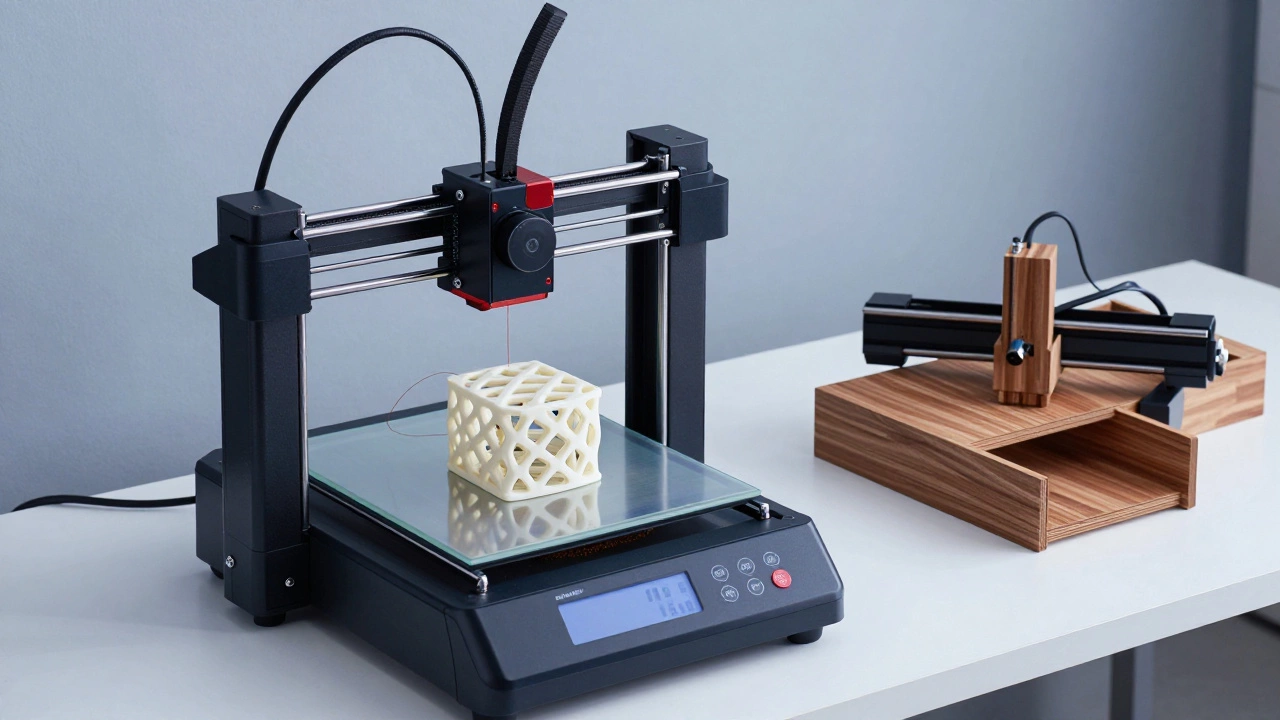
Additive manufacturing, commonly known as 3D printing, has moved beyond hobbyist toys. It is now a viable tool for small-scale production of functional parts. Engineers, inventors, and even fashion designers use 3D printing to create prototypes or limited-run products.
You can set up a service bureau that prints custom parts for other businesses. Think replacement knobs for vintage appliances, brackets for DIY projects, or customized phone mounts. The key is speed and reliability. If you can deliver a printed part within 24 hours, local companies will prefer you over overseas suppliers who take weeks to ship.
Material innovation is also opening doors. Bioplastic filaments made from algae or coffee grounds are gaining traction. By offering eco-friendly printing options, you attract clients who care about sustainability. Additionally, designing your own products to print-like ergonomic tools or artistic sculptures-allows you to sell directly to consumers with near-zero inventory risk.
Comparison of High-Demand Sectors
| Product Category | Initial Investment | Regulatory Complexity | Scalability | Target Audience |
|---|---|---|---|---|
| Eco-Packaging | Medium | Low-Medium | High | B2B (Restaurants, Retailers) |
| Natural Cosmetics | Low | Medium | Medium | B2C (Health-Conscious Consumers) |
| Custom Woodwork | Medium-High | Low | Medium | B2C/B2B (Homeowners, Offices) |
| Fermented Foods | Low-Medium | High | High | B2C (Grocery Shoppers) |
| 3D Printing Services | Medium | Low | High | B2B (Engineers, Designers) |
Key Success Factors for Small Manufacturers
Choosing the right product is only half the battle. How you operate determines whether you survive. Here are practical steps to ensure your small-scale manufacturing business thrives.
- Validate Before You Build: Don’t invest in expensive machinery until you have pre-orders or strong market interest. Create a minimum viable product (MVP) and test it with a small group of customers.
- Leverage Local Networks: Partner with local suppliers for raw materials. This reduces shipping costs and supports the community. Join local maker spaces or industry associations to network with potential clients.
- Focus on Niche Marketing: You can’t compete on price with Amazon. Compete on quality, customization, and story. Use social media to showcase your craftsmanship. Behind-the-scenes videos perform well because they build trust.
- Automate Where Possible: Even small operations can benefit from automation. Use software for inventory management, invoicing, and order tracking. This frees up time for creative work and customer engagement.
- Stay Compliant: Regulations vary by product type. Food requires health department approvals. Cosmetics need ingredient labeling compliance. Ignoring these can lead to fines or shutdowns. Consult with legal experts early on.
The future of manufacturing is decentralized. Technology has democratized production, allowing individuals to compete with larger entities. By focusing on high-demand, niche products and operating efficiently, you can build a profitable and sustainable business. Start small, iterate quickly, and listen to your customers. That is how you win in 2026.
What is the easiest small scale manufacturing business to start?
Handmade soap or candle making is often considered the easiest entry point. It requires minimal equipment, low startup costs, and straightforward regulatory requirements compared to food or electronics. You can begin in a home kitchen and scale up as you gain customers.
How much capital do I need to start a small manufacturing business?
Startup costs vary widely. Simple crafts like jewelry or candles may cost under £500. More complex ventures like 3D printing services or eco-packaging production could require £5,000 to £15,000 for machinery and initial inventory. Always budget for marketing and legal compliance fees.
Is small scale manufacturing still profitable in 2026?
Yes, profitability is high for niche markets. Consumers are willing to pay premiums for sustainable, localized, and personalized products. Margins can be significantly better than mass production because you avoid economies of scale competition and focus on value-added features.
Where can I sell my small scale manufactured products?
Online platforms like Etsy, Amazon Handmade, and your own Shopify store are popular. Offline, consider local farmers' markets, craft fairs, and consignment deals with boutique shops. B2B sales to local businesses can provide stable, recurring revenue.
Do I need a license to start a small manufacturing business?
Requirements depend on your location and product type. Generally, you need a business registration. Food and cosmetic products require additional health and safety certifications. Always check with your local council or government agency for specific regulations in your area.