
Indian Chemical Sector Opportunity Estimator
Assess the potential of a hypothetical or real chemical manufacturing venture in India by evaluating key factors mentioned in the article. Select options that best match your business model or investment thesis.
Opportunity Score
Based on current market drivers for the Indian chemical sector.
Key Drivers Identified
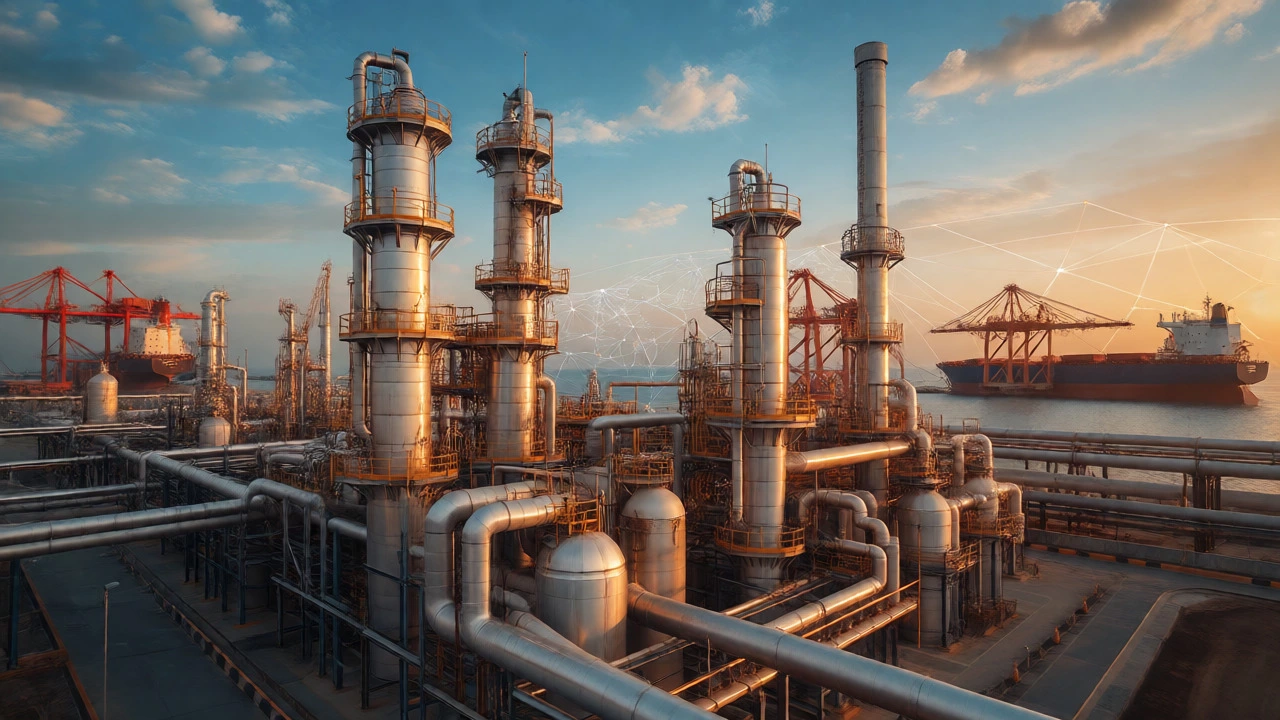
You might have noticed a shift in global supply chains recently. Companies that once relied heavily on China for their chemical inputs are now looking westward and southward. India has emerged as a primary beneficiary of this realignment. But why exactly is the Indian chemical sector experiencing such rapid expansion right now? It isn't just about cheap labor anymore. The story involves strategic government policy, a massive domestic market, and a pivot toward high-value specialty products.
The China Plus One Strategy and Global Supply Chains
For decades, China dominated the global chemical landscape. They had scale, infrastructure, and integrated supply chains. However, rising geopolitical tensions, stricter environmental regulations in China, and the aftermath of the pandemic exposed vulnerabilities in relying on a single source. This created the "China Plus One" strategy. Multinational corporations began diversifying their sourcing to mitigate risk. India stepped up to fill this gap. With its large pool of skilled engineers and established industrial clusters in Gujarat and Maharashtra, India became a viable alternative. Foreign Direct Investment (FDI) inflows into the sector surged as global giants sought stable partners outside of East Asia.
Government Push: Production Linked Incentives (PLI)
You cannot talk about this boom without mentioning the Indian government's active role. The Production Linked Incentive (PLI) scheme was a game-changer. Specifically designed to boost domestic manufacturing, the PLI scheme offered financial incentives to companies that increased their production capacity within India. For the chemical sector, this meant billions of rupees in subsidies for setting up new plants or expanding existing ones. This wasn't just free money; it required companies to meet specific output targets. This forced efficiency and scalability. Major players like Reliance Industries and Tata Chemicals leveraged these incentives to expand their footprint, particularly in petrochemicals and specialty chemicals.
The Rise of Specialty Chemicals
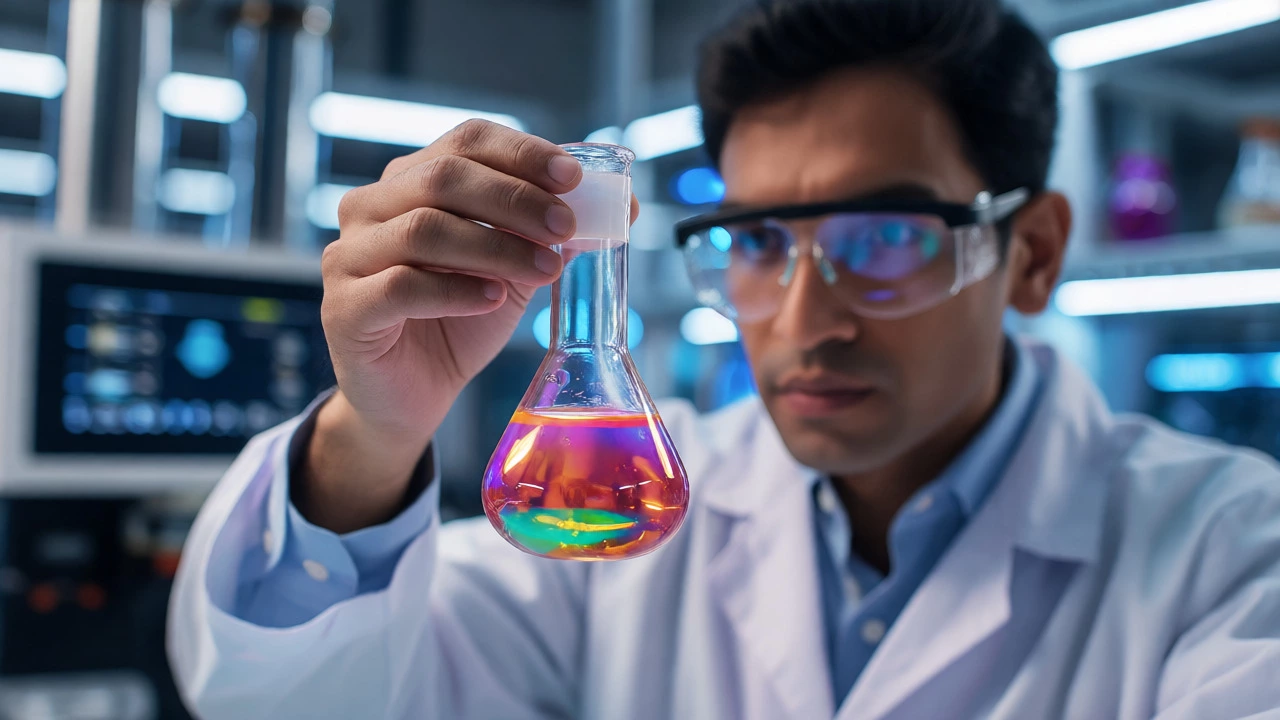
While bulk chemicals remain important, the real growth engine is specialty chemicals. Unlike commodity chemicals, which are sold in large volumes at low margins, specialty chemicals are high-performance formulations used in specific applications. Think of the additives in your electric vehicle battery, the coatings on your smartphone screen, or the active ingredients in advanced pharmaceuticals. These require deep technical expertise and consistent quality. India’s strength lies in its engineering talent. Indian chemists and process engineers have proven they can replicate complex molecules with high purity. This capability attracted contracts from European and US firms who found it increasingly difficult to maintain cost-effective R&D and production in their home countries.
Domestic Demand: A Self-Sustaining Engine
Exports are great, but domestic consumption is the bedrock of this growth. India is one of the fastest-growing economies in the world. As incomes rise, people buy more cars, build more homes, and consume more packaged goods. Each of these sectors relies heavily on chemicals. The automotive industry needs polymers, adhesives, and paints. The construction sector demands cement additives and insulation materials. Agriculture requires fertilizers and crop protection chemicals. Because India has a population of over 1.4 billion, manufacturers don't need to rely solely on export markets to survive. This internal demand provides a buffer against global economic downturns. When global trade slows down, Indian factories keep running because local consumers keep buying.
Infrastructure and Industrial Clusters
Manufacturing doesn't happen in a vacuum. It needs power, water, logistics, and waste management. India has invested heavily in dedicated industrial corridors. The Delhi-Mumbai Industrial Corridor and the Chennai-Bengaluru Industrial Corridor are prime examples. These zones offer plug-and-play infrastructure for chemical units. Access to ports like Kandla and Mundra reduces logistics costs for exporters. Furthermore, the development of Common Effluent Treatment Plants (CETPs) in these clusters helps smaller manufacturers comply with environmental norms without bearing the full cost of individual treatment facilities. This infrastructure maturity lowers the barrier to entry for new players and improves operational efficiency for established ones.
Sustainability and Green Chemistry
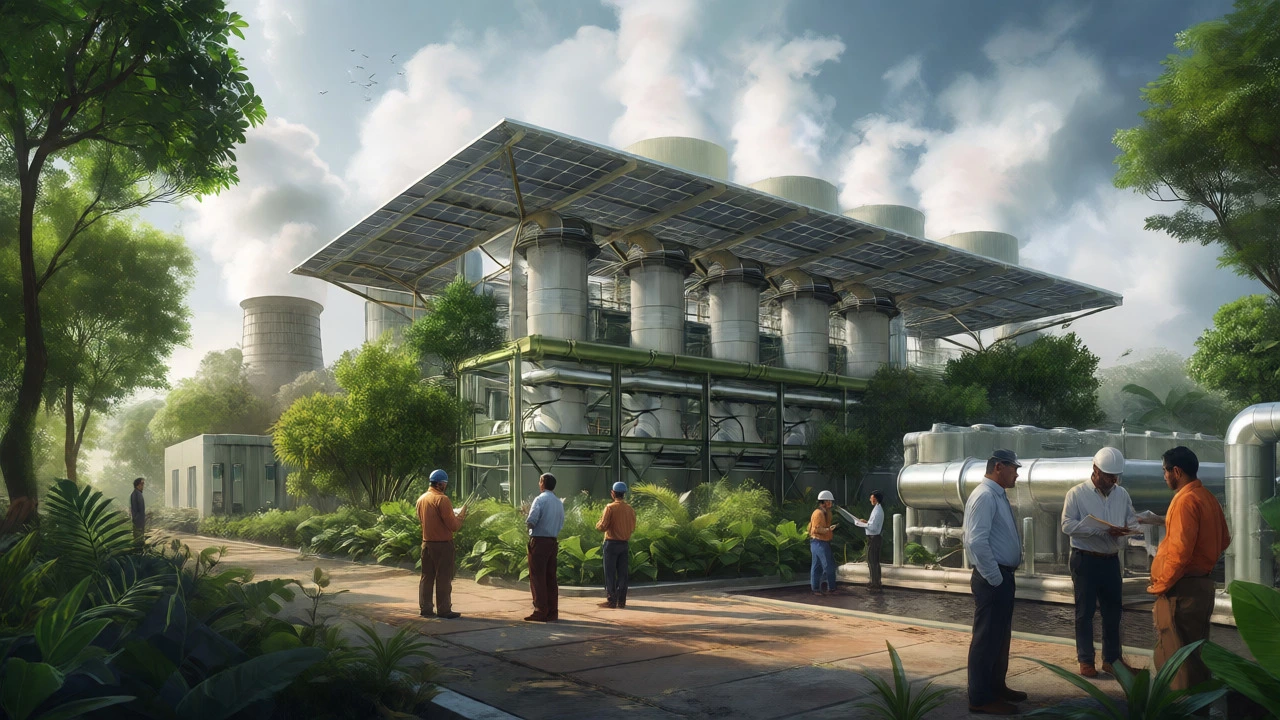
A modern concern for any investor or buyer is sustainability. The global push for ESG (Environmental, Social, and Governance) compliance has hit the chemical sector hard. India is responding by adopting green chemistry principles. Many Indian manufacturers are investing in renewable energy sources for their plants. Some are shifting from fossil-fuel-based feedstocks to bio-based alternatives. This isn't just PR; it's becoming a competitive advantage. European buyers, in particular, prefer suppliers who can demonstrate a lower carbon footprint. Indian firms that adopt sustainable practices early are securing long-term contracts with multinational clients who are under pressure to decarbonize their supply chains.
Challenges That Remain
It's not all smooth sailing. The sector faces significant hurdles. Environmental regulations are tightening. States like Gujarat and Tamil Nadu are cracking down on polluters, forcing companies to upgrade their technology. There is also a shortage of highly specialized R&D talent compared to Germany or the US. While India excels at process engineering, original molecule discovery still lags behind. Additionally, raw material volatility remains a risk. Since many intermediates are still imported, currency fluctuations can impact margins. Navigating these challenges requires agility and continuous investment in innovation.
Comparison: Bulk vs. Specialty Chemicals in India
| Feature | Bulk Chemicals | Specialty Chemicals |
|---|---|---|
| Market Volume | High volume, low value per unit | Low volume, high value per unit |
| Growth Rate | Moderate, tied to GDP growth | High, driven by innovation and niche demand |
| Competition | Intense, price-driven | Technical barriers, relationship-driven |
| Profit Margins | Thin (5-10%) | Healthy (15-30%+) |
| Customer Relationship | Transactional | Partnership-based, long-term contracts |
What This Means for Investors and Manufacturers
If you are looking at opportunities in this space, focus on niches where India has a comparative advantage. Agrochemicals, dyes, pigments, and electronic chemicals are strong contenders. The trend of contract manufacturing is also growing. Western companies are outsourcing their entire production lines to Indian partners who handle everything from sourcing to shipping. This "one-stop-shop" model reduces complexity for the client and increases stickiness for the manufacturer. Look for companies with strong balance sheets that can invest in capacity expansion and those with a clear roadmap for moving up the value chain from generic to proprietary products.
Frequently Asked Questions
Is India replacing China in chemical manufacturing?
India is not fully replacing China but is significantly reducing dependence on it. China remains dominant in bulk commodities due to sheer scale. However, India is capturing a large share of the specialty chemicals market where quality, reliability, and geopolitical neutrality are prioritized over lowest possible cost. It is a complementary relationship rather than a complete substitution.
Which regions in India are best for chemical manufacturing?
Gujarat is the undisputed hub, hosting major industrial parks like Dahej, Ankleshwar, and Vadodara. Maharashtra (Mumbai-Pune belt) and Tamil Nadu (Chennai area) are other key centers. These regions offer proximity to ports, established supply chains, and supportive state policies. Rajasthan is also emerging as a center for agrochemicals.
How does the PLI scheme benefit small chemical manufacturers?
While large corporations often capture the biggest chunks of PLI benefits due to higher output thresholds, smaller manufacturers benefit indirectly through improved ecosystem infrastructure and increased demand for intermediate products. Some sub-schemes specifically target electronics-grade chemicals and APIs, allowing mid-sized firms to compete if they meet quality certifications.
What are the main risks for investors in the Indian chemical sector?
The primary risks include regulatory changes regarding environmental norms, volatile crude oil prices affecting input costs, and intense competition from both domestic peers and international rivals. Currency fluctuation can also impact profitability for exporters. Due diligence on a company's debt levels and technology adoption is crucial.
Is the workforce in India skilled enough for advanced chemical processes?
Yes, India produces a large number of chemistry and chemical engineering graduates annually. The workforce is proficient in process optimization and safety protocols. However, there is a gap in high-end R&D leadership roles, which many companies address by hiring expatriates or partnering with foreign research institutes.