
Chemical Export Strategy Estimator
Competitive Profile Analysis
Industry ToolMarket Outlook
Select a country and sustainability level to generate the export profile.
Key Takeaways
- China is currently the world's largest exporter and producer of chemicals due to massive scale and infrastructure.
- The United States and Germany remain dominant players, specializing in high-value specialty chemicals.
- India is rapidly climbing the ranks, transitioning from a generic producer to a hub for complex chemical synthesis.
- The shift toward sustainable and green chemistry is redefining who wins the export race.
When we talk about the "largest exporter," we have to distinguish between volume and value. China is the global leader in chemical production and export volume. Because they have an unmatched industrial base, they can pump out basic chemicals, plastics, and fertilizers at a scale no one else can match. If you look at the sheer tonnage of materials moving across borders, China is the undisputed king. But the story changes when you look at the largest chemical exporter in terms of high-margin, complex molecules.
The Heavy Hitters: China, USA, and Germany
While China wins on volume, the United States often competes on value. US exports are heavily weighted toward petrochemicals and advanced polymers. Because the US has easy access to cheap shale gas, they have a huge advantage in producing ethylene and propylene, which are the building blocks for almost all plastics. It's a game of raw material access versus manufacturing speed.
Then there's Germany. They might not have the landmass of China or the gas reserves of the US, but they own the "specialty" niche. German firms excel in fine chemicals-the kind of high-purity substances needed for medicine or aerospace. They focus on the how rather than the how much, ensuring their export value remains high even if the volume is lower than the Asian giants.
| Country | Primary Strength | Export Focus | Competitive Edge |
|---|---|---|---|
| China | Massive Scale | Basic Chemicals, Plastics | Low cost, integrated supply chains |
| USA | Feedstock Access | Petrochemicals, Polymers | Shale gas availability |
| Germany | Engineering Precision | Specialty & Fine Chemicals | High R&D, quality standards |
| India | Growth Speed | Agrochemicals, APIs | Skilled labor, cost-efficiency |
India's Strategic Pivot in the Global Market
For years, India was seen as a secondary player, mostly exporting basic intermediates. However, a massive shift is happening. The "China Plus One" strategy-where global companies move some production away from China to avoid risk-has put India in the spotlight. We are seeing a surge in chemical manufacturers India investing in world-class plants that don't just copy formulas but innovate them.
India isn't trying to beat China at basic bulk chemicals; that's a losing battle. Instead, they are dominating in specific niches. For instance, the export of Agrochemicals-pesticides and fertilizers-has skyrocketed. Farmers in Brazil and the US rely heavily on Indian-made crop protection chemicals because they balance quality with a price point that makes sense.
Another huge area is APIs (Active Pharmaceutical Ingredients). Since chemicals are the raw materials for drugs, India has leveraged its pharmaceutical strength to become a top exporter of the chemical precursors needed to make medicine. If you take a generic pill in Europe, there is a high chance the chemical building blocks came from a plant in Gujarat or Maharashtra.
What Actually Drives Chemical Exports?
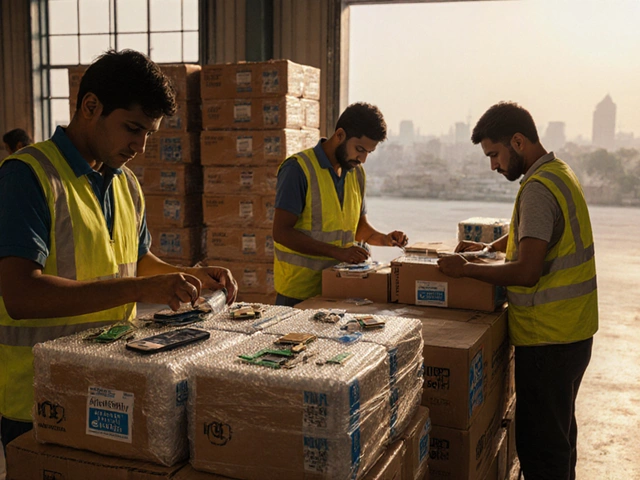
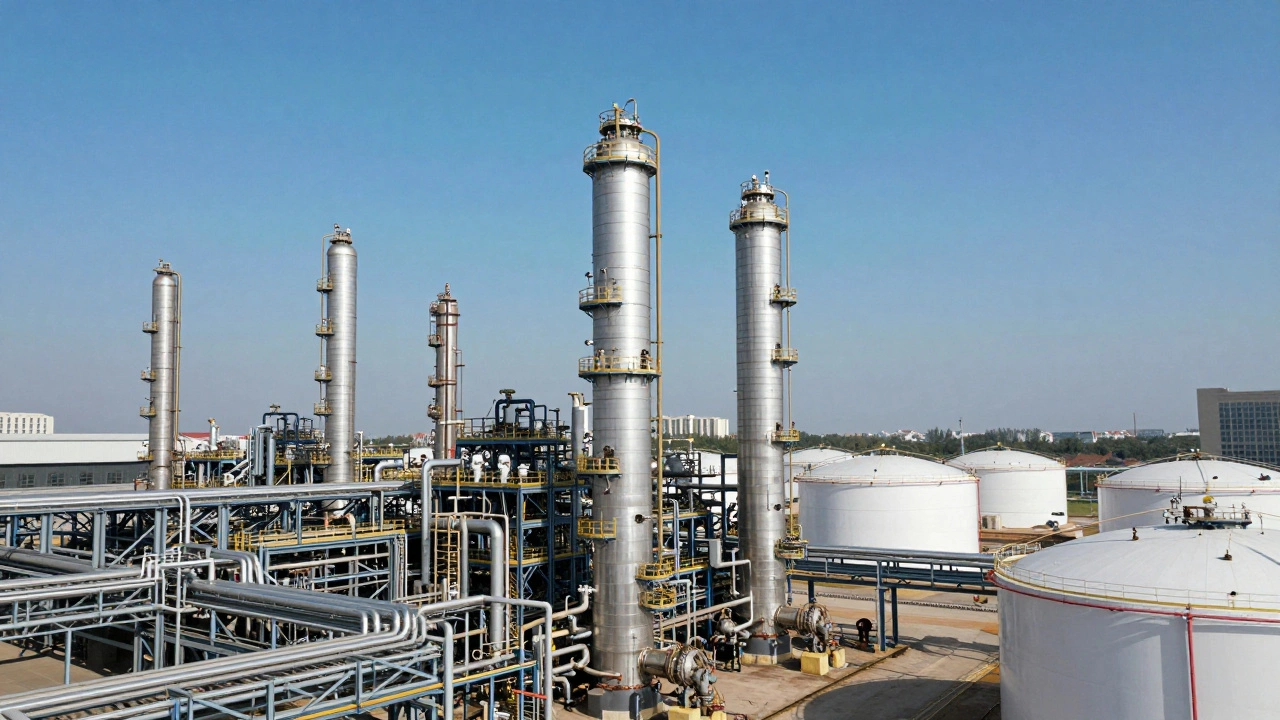
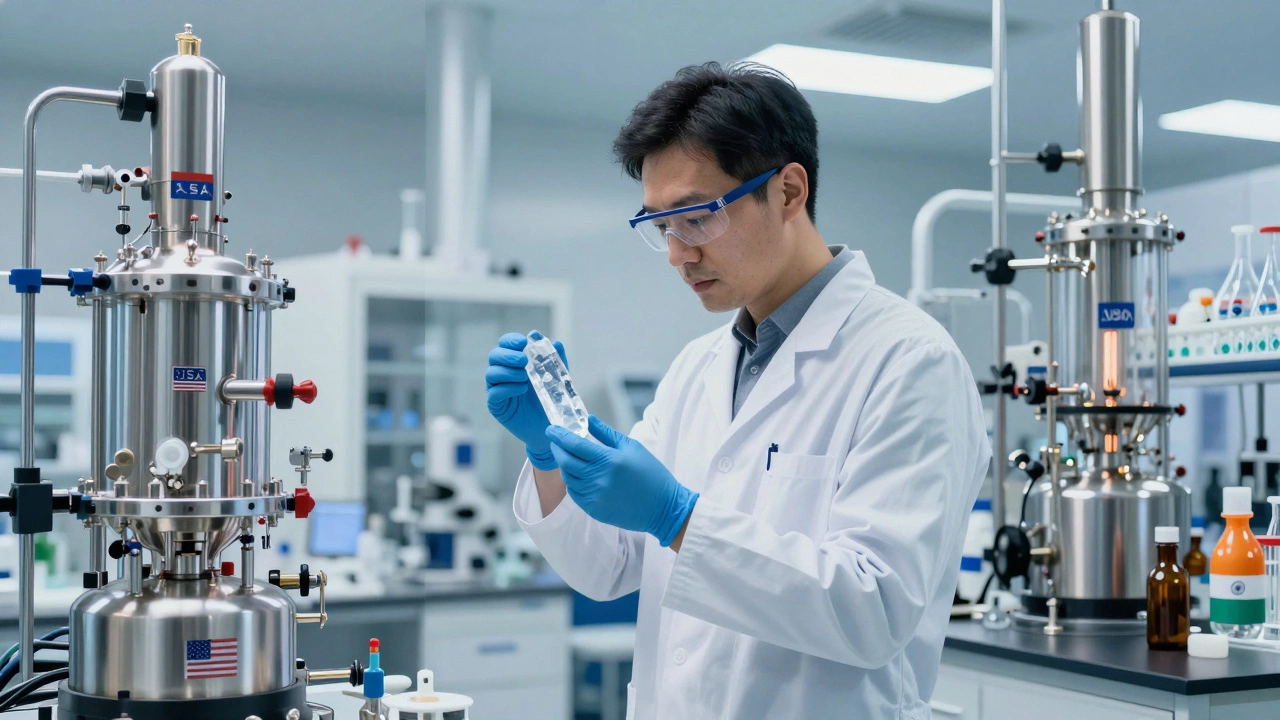
Exporting chemicals isn't as simple as shipping boxes of clothes. It's a logistical nightmare involving hazardous materials, strict regulations, and temperature-controlled shipping. The countries that win this game usually share three specific traits. First, they have a strong Petrochemical industry. You can't export high-value chemicals if you're importing the basic raw materials. You need your own refineries and crackers to keep costs low.
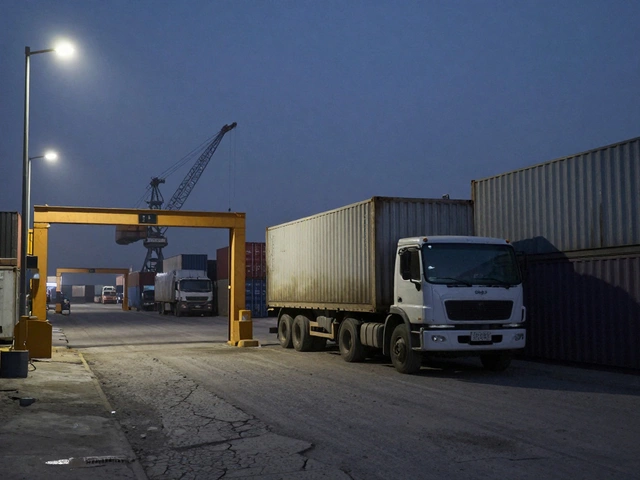
Second, they have specialized ports. You can't just put a tank of sulfuric acid on any boat. The largest exporters have dedicated chemical terminals with advanced safety systems to prevent leaks and contamination. This infrastructure is why a few coastal hubs in China and the US Gulf Coast dominate the map.
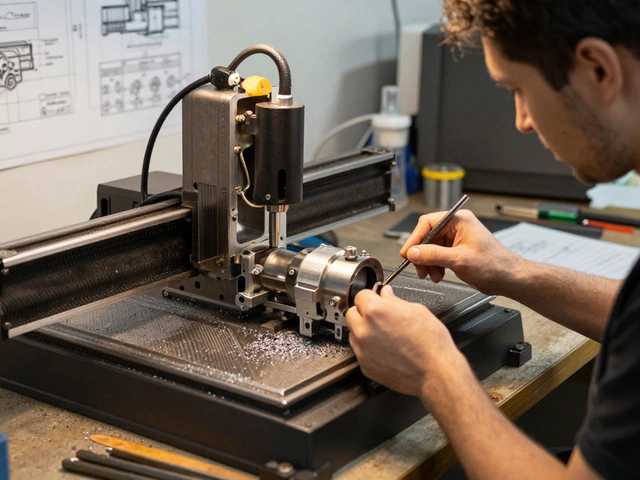
Third, they have a grip on Specialty Chemicals. These are chemicals produced in smaller volumes but for very specific functions-like a chemical that makes a smartphone screen smudge-proof or a catalyst that makes a car engine cleaner. Because these require heavy R&D, the countries that innovate the most (like Germany and now increasingly India) capture the most profit per kilogram exported.
The Shift Toward Green Chemistry
The rules of the game are changing. The world is moving away from carbon-heavy production. We're seeing a rise in Green Chemistry, which focuses on reducing hazardous waste and using renewable feedstocks. This is a huge opportunity for newer players. While China and the US have to retro-fit massive, old, polluting factories, countries like India can build "green from the ground up."
For example, instead of using petroleum to make plastics, some exporters are switching to bio-based polymers derived from corn or algae. The EU is currently implementing strict carbon border taxes, meaning if you export "dirty" chemicals into Europe, you pay a huge fine. This is forcing the largest exporters to pivot or lose their market share. The next decade won't be about who can make the most chemicals, but who can make them with the lowest carbon footprint.
Common Pitfalls for New Exporters
If you're looking at the chemical trade from a business perspective, it's easy to be blinded by the high margins. But the risks are concrete. Regulatory compliance is the biggest wall. If you're exporting to the EU, you have to deal with REACH (Registration, Evaluation, Authorisation and Restriction of Chemicals). It's a grueling process where you must prove your chemical doesn't harm humans or the environment. Many small manufacturers fail here because they underestimate the paperwork.
Another trap is ignoring the "purity" requirement. In the world of specialty chemicals, a purity level of 98% is often useless if the client needs 99.9%. That 1.9% difference can be the difference between a successful pharmaceutical batch and a wasted million-dollar run. The winners in the export market are those who invest in high-end chromatography and testing labs to guarantee every shipment is identical to the last.
Is China still the largest chemical exporter in 2026?
Yes, in terms of total volume and a wide variety of industrial chemicals, China remains the leader. Their integrated industrial zones allow them to produce and export at a scale that is currently unmatched globally.
Why is India becoming a major player in chemical exports?
India is benefiting from the "China Plus One" strategy, where global companies diversify their supply chains. Additionally, Indian manufacturers are moving up the value chain, focusing on specialty chemicals and APIs rather than just basic commodities.
What are specialty chemicals and why are they important?
Specialty chemicals are high-value, low-volume chemicals sold for their function rather than their composition. They include additives, pigments, and electronic chemicals. They are crucial because they drive innovation in tech, medicine, and automotive industries.
Which countries lead in petrochemical exports?
The United States is a dominant leader in petrochemicals due to its abundance of shale gas, which provides cheap ethane and propane. Saudi Arabia and Russia are also major players in this segment.
How does Green Chemistry affect global exports?
Green Chemistry reduces the environmental impact of production. As regions like the EU introduce carbon taxes and stricter environmental laws, exporters who adopt sustainable methods will have a significant competitive advantage over those using traditional, polluting methods.
Next Steps for Industry Observers
If you are tracking this industry, don't just watch the GDP of these countries. Watch the investment in R&D centers. The shift from "bulk" to "specialty" is where the money is. For someone entering the market or analyzing it, look for companies investing in flow chemistry and continuous manufacturing, as these technologies reduce waste and increase the speed of export.
Also, keep an eye on the trade agreements between India and the EU or UK. As these deals evolve, they will likely lower tariffs on specialty chemicals, further accelerating the move of the global chemical hub toward South Asia. Whether you are a student, an investor, or a business owner, the key is to stop thinking of chemicals as a commodity and start seeing them as a high-tech service.