
Indian Chemical Industry Partner Evaluator
Select a market segment to see key players and then evaluate them using industry-standard criteria.
Petrochemicals
Reliance, IOCLSpecialty Chem
Navin Fluorine, SRLAgri-Chemicals
CoromandelPaints & Coatings
Asian PaintsEvaluation Criteria Checklist
Check off criteria that your potential partner meets:
Segment Profile
PetrochemicalsWhen you ask who is the king of chemicals in India, you are not asking about a single person. You are asking about dominance in a sector that powers everything from your morning toothpaste to the fuel in your car. The Indian chemical industry is a beast worth over $200 billion. It is the fourth-largest chemical market globally. But "king" implies a hierarchy. Who sits at the top?
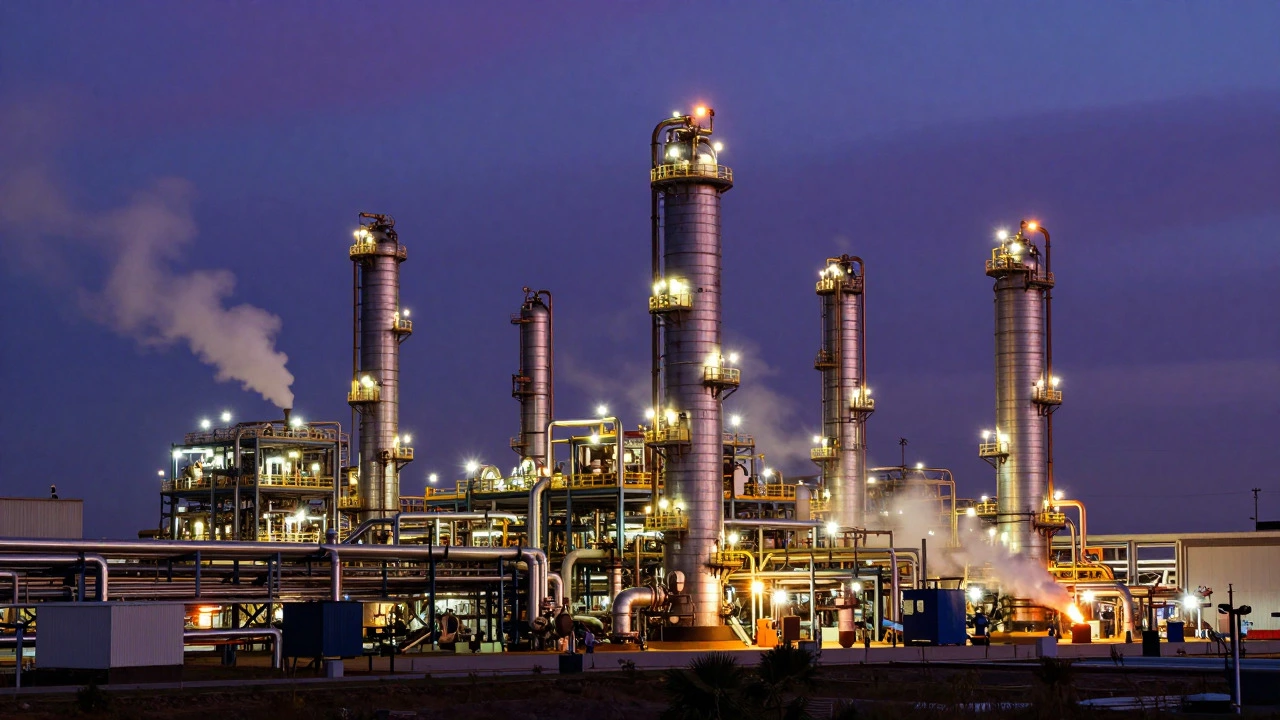
If we measure by revenue, sheer scale, and vertical integration, one name stands head and shoulders above the rest: Reliance Industries Limited (RIL) is India's largest private-sector company and a dominant force in petrochemicals, refining, and downstream chemicals. RIL operates the world’s largest integrated refining and petrochemical complex in Jamnagar, Gujarat. This facility alone produces millions of tons of base chemicals like ethylene, propylene, and benzene annually. These are the building blocks for plastics, synthetic fibers, and solvents. No other Indian company matches this volume.
The Real Powerhouses: Beyond Just Revenue
While Reliance holds the crown for bulk commodities, the title of "king" shifts depending on what kind of chemistry you are talking about. The Indian chemical landscape is split into two main camps: Commodity Chemicals and Specialty Chemicals. Each has its own ruler.
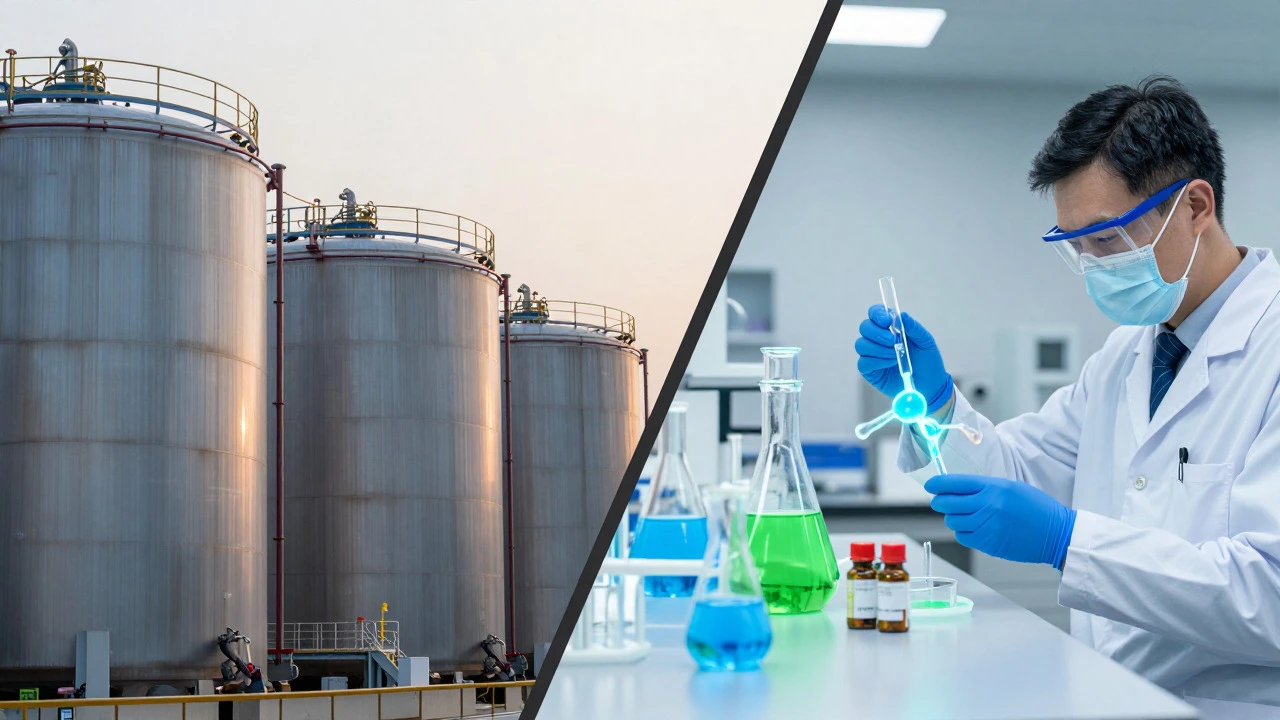
In the realm of Specialty Chemicals are high-value, low-volume chemicals designed for specific applications in industries like pharmaceuticals, agriculture, and electronics, the game changes completely. Here, scale matters less than innovation and formulation expertise. Companies like SRL Limited is a leading Indian manufacturer of agrochemicals, water treatment chemicals, and fine chemicals with a strong global export presence and Navin Fluorine International is a premier manufacturer of fluorine-based specialty chemicals used in refrigeration, pharmaceuticals, and lithium-ion batteries dominate their niches. Navin Fluorine, for instance, supplies critical materials for electric vehicle batteries. If you need high-purity intermediates for life-saving drugs, you don’t go to a bulk producer; you go to these specialists.
Then there is the agricultural backbone. India is an agrarian economy. The companies that feed the nation hold immense power. Coromandel International is one of India's largest fertilizer marketing companies and a major player in crop protection chemicals controls a significant share of the fertilizer distribution network. While they may not manufacture every molecule themselves, their reach into rural India makes them kings of market access.
Why Gujarat Rules the Chemical World
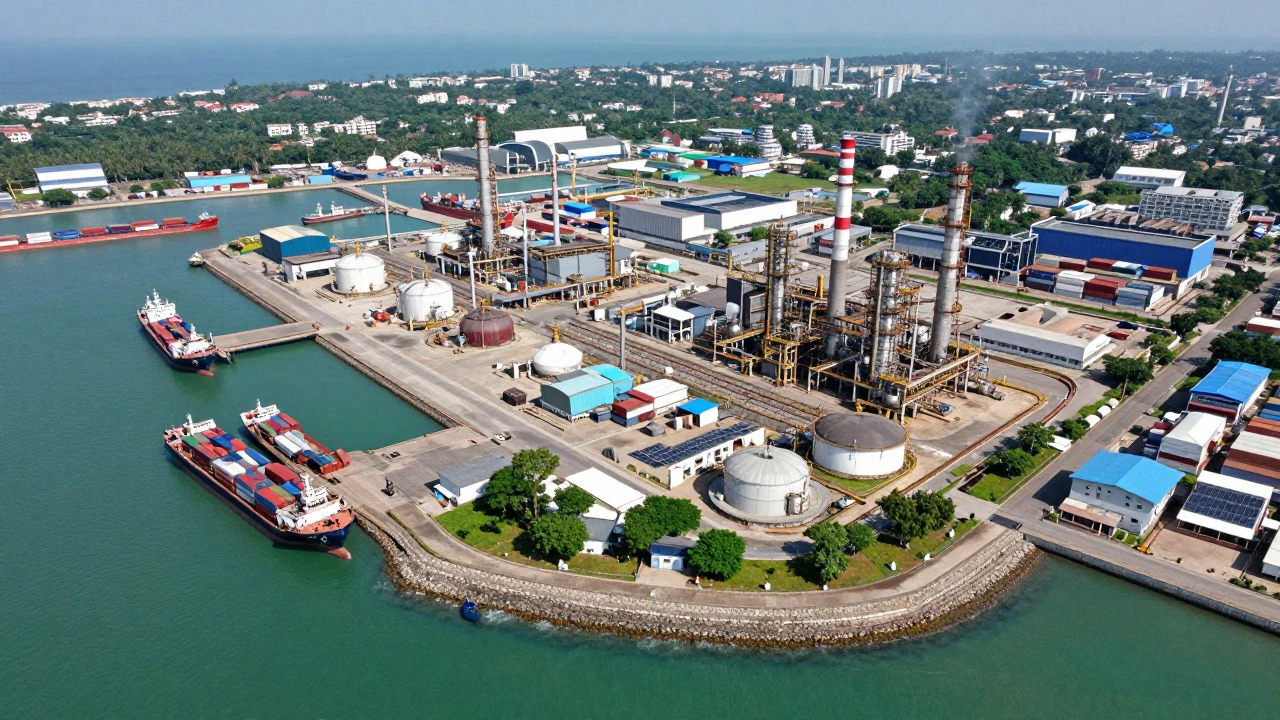
You cannot talk about chemical kings without mentioning geography. Over 60% of India’s chemical production comes from the state of Gujarat. Why? It’s not just luck. It’s logistics. Gujarat has long coastlines, deep-water ports, and established industrial clusters like Ankleshwar, Dahej, and Vapi. These hubs offer shared infrastructure-steam, power, effluent treatment plants-that lowers costs for everyone. This concentration creates a network effect. Suppliers, customers, and skilled labor cluster together, making it harder for competitors in other states to catch up.
| Segment | Key Leader(s) | Primary Products | Growth Driver |
|---|---|---|---|
| Petrochemicals | Reliance Industries, IOCL | Ethylene, Propylene, Polymers | Plastic demand, packaging |
| Specialty Chemicals | Navin Fluorine, SRL Ltd | Fluorochemicals, Agro-intermediates | EV batteries, pharma outsourcing |
| Fertilizers & Agri-Chemicals | Coromandel, Chambal Fertilisers | NPK fertilizers, pesticides | Agricultural output, government subsidies |
| Paints & Coatings | Berger Paints, Asian Paints | Industrial paints, decorative coatings | Real estate boom, automotive |
The Shift Toward Sustainability
The definition of a "king" is changing. In 2026, it’s no longer enough to produce the most tonnage. Regulators and global buyers demand green credentials. The new rulers are those who can decarbonize their operations. Reliance has committed to net-zero emissions by 2035, investing heavily in green hydrogen and renewable energy. Meanwhile, smaller players are adopting circular economy models, recycling plastic waste back into feedstock. Companies that ignore environmental, social, and governance (ESG) criteria risk losing contracts with European and American partners who have strict carbon border taxes.
This shift favors agile firms. Large incumbents face legacy baggage. New entrants focusing on bio-based chemicals or recycled inputs are gaining traction. For example, startups producing biodegradable polymers are attracting venture capital at record rates. The throne is becoming more crowded, but the bar for entry is higher due to regulatory complexity.
Global Supply Chain Dynamics
India’s chemical kings are not just domestic players. They are global suppliers. The "China Plus One" strategy adopted by multinational corporations has benefited Indian manufacturers significantly. As companies diversify away from China, India becomes the alternative source for active pharmaceutical ingredients (APIs), dyes, and surfactants. This geopolitical shift boosts exports and strengthens the balance of payments. However, it also exposes Indian firms to currency fluctuations and trade barriers. A strong rupee can erode profit margins for exporters. Wise management of forex risk is now part of the job description for any chemical CEO.
Challenges Facing the Industry
No kingdom is without threats. The Indian chemical sector faces several headwinds. First, raw material dependency. India imports crude oil and natural gas, which are key feedstocks. Price volatility directly impacts profitability. Second, environmental regulations are tightening. States like Maharashtra and Tamil Nadu have imposed stricter norms on effluent discharge and air quality. Compliance costs are rising. Third, talent shortage. There is a gap between academic training and industry needs. Skilled process engineers and safety experts are in short supply. Companies must invest in training programs to bridge this divide.
Additionally, informal competition remains a problem. Small, unregistered units sometimes operate below cost, dumping cheap products in the market. This undermines legitimate businesses that follow safety and environmental standards. Government enforcement against such practices is improving but still inconsistent.
How to Identify the Right Partner
If you are a buyer looking for a chemical supplier in India, how do you choose? Don’t just look at price. Evaluate these factors:
- Capacity Utilization: Is the plant running at full capacity? High utilization indicates efficiency and reliability.
- Certifications: Look for ISO 9001 (quality), ISO 14001 (environment), and REACH compliance if exporting to Europe.
- R&D Investment: Does the company spend on research? This signals long-term viability and innovation capability.
- Supply Chain Resilience: Do they have multiple sources for raw materials? Can they handle disruptions?
- Financial Health: Check debt-to-equity ratios and cash flow statements. Stable finances mean fewer risks of bankruptcy.
For large-scale commodity needs, stick with giants like Reliance or IOCL. For specialized formulations, partner with mid-sized specialists who offer technical support and customization. Avoid tiny traders unless you have rigorous quality control in place.
The Future Landscape
Looking ahead, the chemical industry in India will see consolidation. Smaller players will merge or get acquired to achieve economies of scale. Digital transformation will play a bigger role. AI-driven predictive maintenance and IoT sensors will optimize production lines. Blockchain might be used for traceability of raw materials. The kings of tomorrow will be those who combine chemical engineering prowess with digital savvy.
Also, expect growth in niche segments. Electronic chemicals for semiconductors, battery materials for EVs, and sustainable packaging solutions will outpace traditional sectors. Investors and entrepreneurs should watch these areas closely. The next unicorn in Indian chemicals could emerge from one of these high-growth niches.
Is Reliance Industries the only major chemical player in India?
No. While Reliance dominates in volume and petrochemicals, other giants like Indian Oil Corporation (IOCL), Nayara Energy, and public sector undertakings like Hindustan Petroleum are significant. Additionally, specialty chemical companies like Navin Fluorine and SRL Limited lead in high-value segments.
What is the difference between commodity and specialty chemicals?
Commodity chemicals are produced in large volumes with standardized specifications, such as sulfuric acid or ethylene. They compete primarily on price. Specialty chemicals are produced in smaller quantities with unique properties tailored for specific applications, like catalysts or pharmaceutical intermediates. They compete on performance and innovation.
Which state in India produces the most chemicals?
Gujarat is the leading state, accounting for over 60% of India's chemical production. Its strategic location, port infrastructure, and industrial clusters make it ideal for chemical manufacturing. Maharashtra and Tamil Nadu follow as significant contributors.
How does the 'China Plus One' strategy benefit Indian chemical manufacturers?
As global companies reduce reliance on Chinese suppliers, they seek alternatives in countries like India. This increases demand for Indian-made APIs, dyes, and intermediates. It leads to higher exports, job creation, and investment in Indian chemical facilities.
Are there environmental concerns associated with the chemical industry in India?
Yes. Issues include water pollution from effluents, air emissions, and hazardous waste disposal. However, regulations are tightening, and leading companies are investing in cleaner technologies, wastewater treatment, and renewable energy to mitigate these impacts.