
Chemical Manufacturing PLI Subsidy Calculator
PLI Scheme Subsidy Calculator
Estimate potential government subsidies under India's Production Linked Incentive (PLI) scheme for chemical manufacturing
Estimated Subsidy
Based on 2025 PLI rates for chemical manufacturing
- Basic Chemicals: ₹10/kg
- Specialty Chemicals: ₹15/kg
- Agrochemicals: ₹12/kg
India isn’t just growing its economy-it’s rebuilding its industrial backbone. While headlines focus on tech startups and electric vehicles, the real engine driving exports, jobs, and supply chain resilience is chemical manufacturing. In 2025, India’s chemical industry hit ₹32 lakh crore ($380 billion) in output, growing at 8.7% year-over-year, according to the Indian Chemical Council. That’s faster than textiles, steel, or even pharmaceuticals. And it’s not slowing down.
Why Chemicals Are the Hidden Winner
Most people think of chemicals as lab beakers or toxic waste. But in India, it’s everything from the detergent in your laundry to the PVC pipes in your home, the fertilizers feeding your food, and the active ingredients in your medicine. The industry is split into three big buckets: basic chemicals, specialty chemicals, and agrochemicals. Each is exploding.
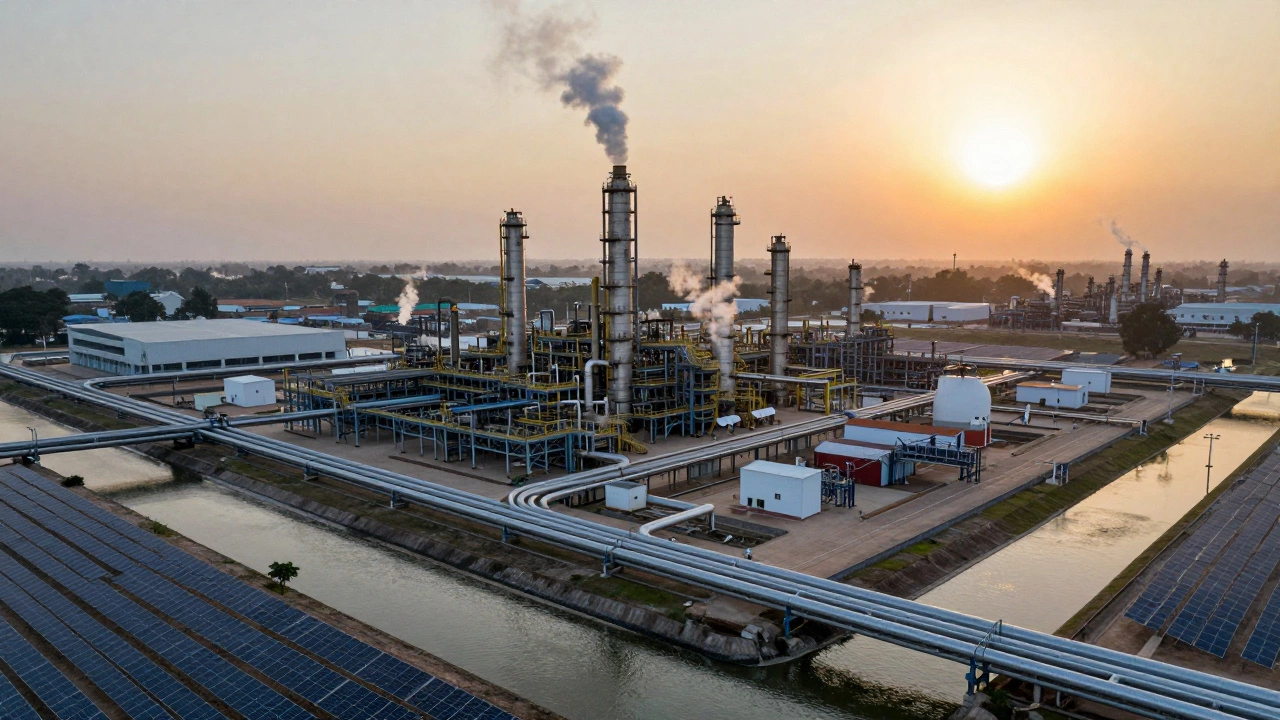
Basic chemicals-like ethylene, chlorine, and caustic soda-are the building blocks. India used to import over 60% of these. Now, thanks to the Production Linked Incentive (PLI) scheme launched in 2021, domestic production has jumped to 82% self-sufficiency. Companies like Reliance Industries and Tata Chemicals have built new plants in Gujarat and Maharashtra that use renewable energy and recycle waste heat. These aren’t old factories. They’re smart, efficient, and designed to compete with China.
Export Boom: From Importer to Global Supplier
Five years ago, India imported $14 billion worth of specialty chemicals. In 2025, we exported $28 billion. That’s a flip. Why? Because global buyers are ditching China. The U.S. and EU are pushing for supply chain diversification under initiatives like the Indo-Pacific Economic Framework. Indian chemical manufacturers, with lower labor costs and improving quality control, are stepping in.
Companies like UPL and PI Industries now supply 40% of the world’s crop protection chemicals. Their products are used in farms from Brazil to Germany. Meanwhile, specialty chemical firms like Aarti Industries and Deepak Nitrite are making high-purity intermediates for pharmaceuticals and electronics. Apple, Samsung, and Bayer all source from Indian chemical plants now. It’s not just cheap labor-it’s precision manufacturing.
Government Push: PLI and Infrastructure
The government didn’t just sit back and wait. The ₹1.97 lakh crore ($23 billion) PLI scheme for chemical manufacturing gave direct cash incentives to companies that increased output. If you make 10,000 tons of lithium-ion battery chemicals, you get ₹15 per kg as a subsidy. That’s real money. Over 200 companies applied. More than 80 got approval. New plants are rising in Odisha, Andhra Pradesh, and Tamil Nadu.
And it’s not just cash. The government built the first dedicated chemical industrial corridors in Gujarat and Maharashtra. These aren’t just plots of land. They’re full ecosystems-pipelines connecting plants, shared water treatment units, centralized waste recycling, and even hydrogen fuel stations for transport. It’s like building a chemical Silicon Valley. No other country in Asia has done this at scale.
Who’s Winning? Top Chemical Manufacturers in India
It’s not one company. It’s a wave. Here are the key players driving the boom:
- Reliance Industries: Building the world’s largest integrated petrochemical complex in Jamnagar. Produces everything from polyethylene to polyester fibers.
- Tata Chemicals: Leading in soda ash and sodium bicarbonate. Now expanding into lithium and battery materials.
- UPL: World’s fifth-largest agrochemical company. Exports to 120 countries.
- Aarti Industries: Supplies intermediates to global pharma giants like Pfizer and Novartis.
- Deepak Nitrite: Makes high-value specialty chemicals for electronics and cosmetics.
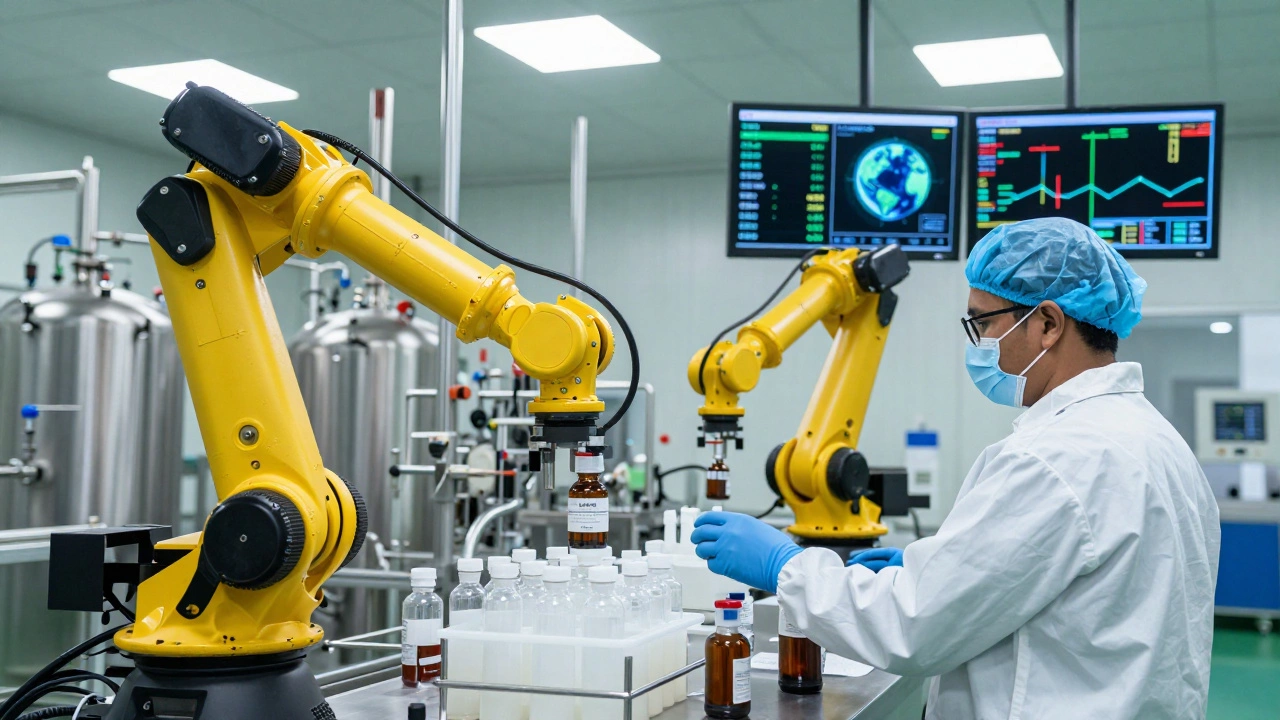
These aren’t small players. They’re global competitors. And they’re hiring engineers, chemists, and automation specialists by the thousands.
Challenges? Yes. But the Path Is Clear
It’s not perfect. Raw material prices still swing with global oil markets. Some small players struggle to meet environmental norms. And there’s still a gap in R&D-India spends less than 0.5% of chemical industry revenue on innovation, compared to 2.5% in Germany.
But the momentum is real. The National Chemical Policy 2024 sets a target of $500 billion in chemical output by 2030. That’s a 30% increase from today. To get there, India is investing in AI-driven process optimization, green hydrogen for chemical reactions, and circular economy models. One plant in Gujarat now turns plastic waste into diesel fuel. Another uses CO2 from steel plants to make urea fertilizer.
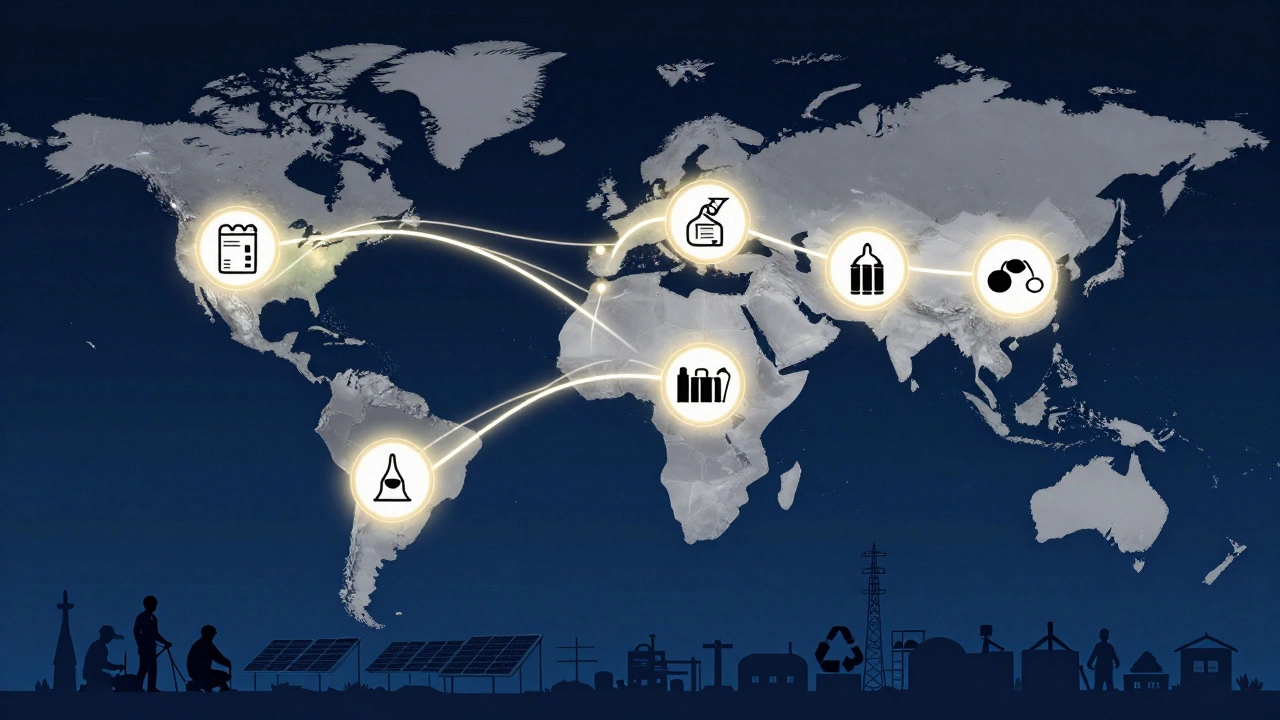
What This Means for You
If you’re in manufacturing, this isn’t just about chemicals. It’s about opportunity. Suppliers of machinery, logistics, packaging, and even cybersecurity are seeing record demand. If you’re a student, chemical engineering is now one of the most sought-after degrees in India. If you’re an investor, the top 10 chemical manufacturers have doubled their market cap in the last three years.
The old story was that India made cheap textiles and outsourced software. Now, it’s making the invisible materials that power modern life. From the plastic in your phone to the fertilizer that grows your rice-India is no longer just a market. It’s a manufacturer.
What’s Next for India’s Chemical Industry?
The next frontier is battery materials. Lithium-ion batteries are the new oil. India has no lithium mines, but it’s building refining capacity fast. Companies like Olectra and Ola Electric are partnering with chemical firms to produce cathode and anode materials locally. By 2027, India could produce 30% of its own battery chemicals.
Green chemicals are next. Biodegradable plastics, plant-based solvents, and bio-based surfactants are gaining traction. Startups like Greenply and Biocon are leading here. The EU’s Carbon Border Tax will push global brands to source low-carbon chemicals. India is already positioned to lead.
This isn’t a bubble. It’s infrastructure. It’s policy. It’s execution. And it’s happening right now.
Is chemical manufacturing the fastest-growing industry in India?
Yes. Between 2022 and 2025, chemical manufacturing grew at an average of 8.7% annually, outpacing textiles (5.2%), steel (4.8%), and even pharmaceuticals (7.1%). It’s now the third-largest manufacturing sector in India after automobiles and electronics.
Which Indian states are leading in chemical manufacturing?
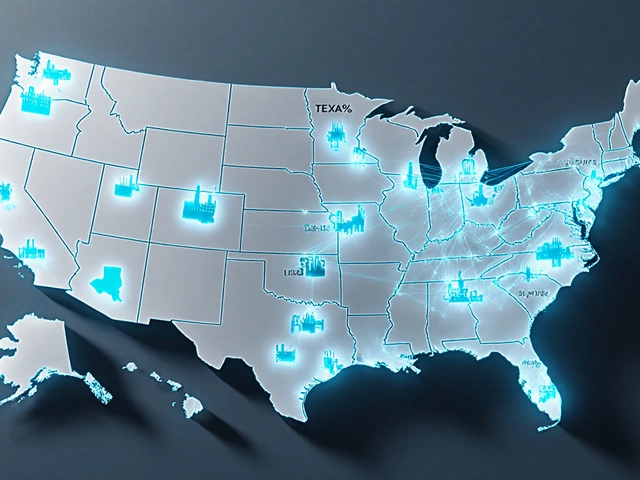
Gujarat leads with over 40% of India’s chemical production, thanks to Jamnagar and Dahej industrial zones. Maharashtra follows with 25%, centered around Mumbai and Pune. Tamil Nadu, Andhra Pradesh, and Odisha are rising fast due to new PLI-backed projects and port access.
Are Indian chemical companies exporting to the U.S. and Europe?
Absolutely. UPL, Aarti Industries, and Deepak Nitrite export over 60% of their output. The U.S. imported $3.1 billion in Indian specialty chemicals in 2025, up 38% from 2022. The EU imported $4.2 billion, mainly for pharma and agrochemicals. Many companies now have warehouses in Rotterdam and Houston.
What’s the biggest challenge for chemical manufacturers in India?
Access to affordable, clean energy. While PLI helps with output, electricity costs and carbon compliance remain hurdles. Many plants still rely on coal. The shift to green hydrogen and solar-powered reactors is underway, but scaling it takes time and investment.
Can small businesses enter the chemical manufacturing space in India?
Yes, but not in basic chemicals. Small players can thrive in specialty chemicals-like natural dyes, eco-friendly cleaners, or lab reagents. The government’s MSME scheme offers subsidies for pilot plants and testing labs. Many startups are partnering with universities and incubators in Bengaluru and Pune to develop niche products.