
Global Electronics Capability Analyzer
Select Countries to Compare
Click on cards to toggle selection (Max 3)
USA
Design LeaderInnovation, IP, Software Ecosystem
China
Assembly GiantScale, Infrastructure, Components
Taiwan
Chip MakerAdvanced Manufacturing (TSMC)
South Korea
Memory SpecialistDRAM, NAND, Screens
India
Rising ContenderLabor Cost, Mobile Assembly
Capability Radar Analysis
Walk into any electronics store today, and you will see a label that says "Made in China". For decades, this has been the default answer to who leads the world in electronics. But if you look closer at the chips inside your phone or the software running your cloud server, the story gets complicated. The title of "most advanced" isn't held by one single nation anymore. It is split between countries that design the brains, countries that build the bodies, and new players trying to catch up.
In 2026, the landscape has shifted again. Supply chains are no longer just about cheap labor; they are about security, speed, and sovereignty. You have the United States dominating high-end chip design, South Korea and Taiwan controlling the actual manufacturing of those tiny components, and China still holding the crown for assembling the final products we hold in our hands. Meanwhile, India is aggressively trying to move from being a consumer market to a major manufacturing hub. So, who is actually the most advanced? It depends on whether you mean designing the future or building it today.
The Design Powerhouse: Why the US Leads Innovation
If "advanced" means creating technology that didn't exist yesterday, the United States is still the heavyweight champion. American companies like NVIDIA, AMD, Apple, and Qualcomm design the most complex semiconductors in the world. These aren't just parts; they are the engines of artificial intelligence, autonomous vehicles, and next-generation smartphones.
The U.S. advantage lies in intellectual property and ecosystem integration. Silicon Valley remains the global nerve center for hardware-software synergy. When an American engineer designs a new processor, they have immediate access to the best software tools, venture capital, and talent pools. This creates a feedback loop where innovation accelerates faster here than anywhere else.
However, there is a catch. While the U.S. designs the chips, it struggles to manufacture them at scale. Most of the physical fabrication happens overseas. This dependency became a massive strategic vulnerability during recent global shortages. In response, the CHIPS and Science Act, fully implemented by now, has poured billions into domestic foundries. Companies like Intel and TSMC are building massive plants in Arizona and Ohio. But building a factory takes years, not months. So, while the U.S. leads in R&D and design, its manufacturing capacity is still playing catch-up to Asia.
The Assembly Giant: China's Unmatched Scale
China is undeniably the most advanced country when it comes to the sheer scale and efficiency of electronics assembly. If you buy a laptop, a drone, or a smart TV, it likely passed through Shenzhen or Dongguan. China controls a significant portion of the global supply chain for printed circuit boards (PCBs), batteries, and display panels.
What makes China "advanced" here is not just low cost, but infrastructure density. The ability to source every component within a few hundred kilometers allows for incredibly fast prototyping and production cycles. A startup in Shenzhen can go from concept to mass-produced product in weeks, a timeline that would take months in Europe or North America.
But China faces headwinds. Export controls on advanced semiconductor equipment have forced Chinese firms to develop their own chipmaking technologies. While they have made strides in mature nodes (chips used in cars and appliances), they still lag behind in the cutting-edge logic chips needed for supercomputers and AI servers. Additionally, rising labor costs and geopolitical tensions are pushing some assembly work out of the country. China is moving up the value chain, trying to become less of an assembler and more of a designer, but it still relies heavily on foreign technology for its most advanced products.
The Precision Specialists: South Korea and Taiwan
You cannot talk about advanced electronics without mentioning two small but mighty economies: South Korea and Taiwan. These nations don't necessarily make the final gadgets you see in stores, but they make the parts that make those gadgets possible.
Taiwan Semiconductor Manufacturing Company (TSMC) is effectively the world's largest chipmaker. They produce the vast majority of the world's advanced processors. Their precision engineering is unmatched. If TSMC stops working, the global tech industry grinds to a halt. This gives Taiwan a unique form of leverage and status as a critical node in the global electronics network.
South Korea, led by Samsung and SK Hynix, dominates memory chips (DRAM and NAND). Every smartphone, computer, and data center needs memory to function. South Korea's investment in R&D per capita is among the highest in the world. They are also heavily investing in packaging technologies, which are becoming just as important as the silicon itself. Both countries are deeply integrated into the global supply chain, making them indispensable partners for both the U.S. and China.
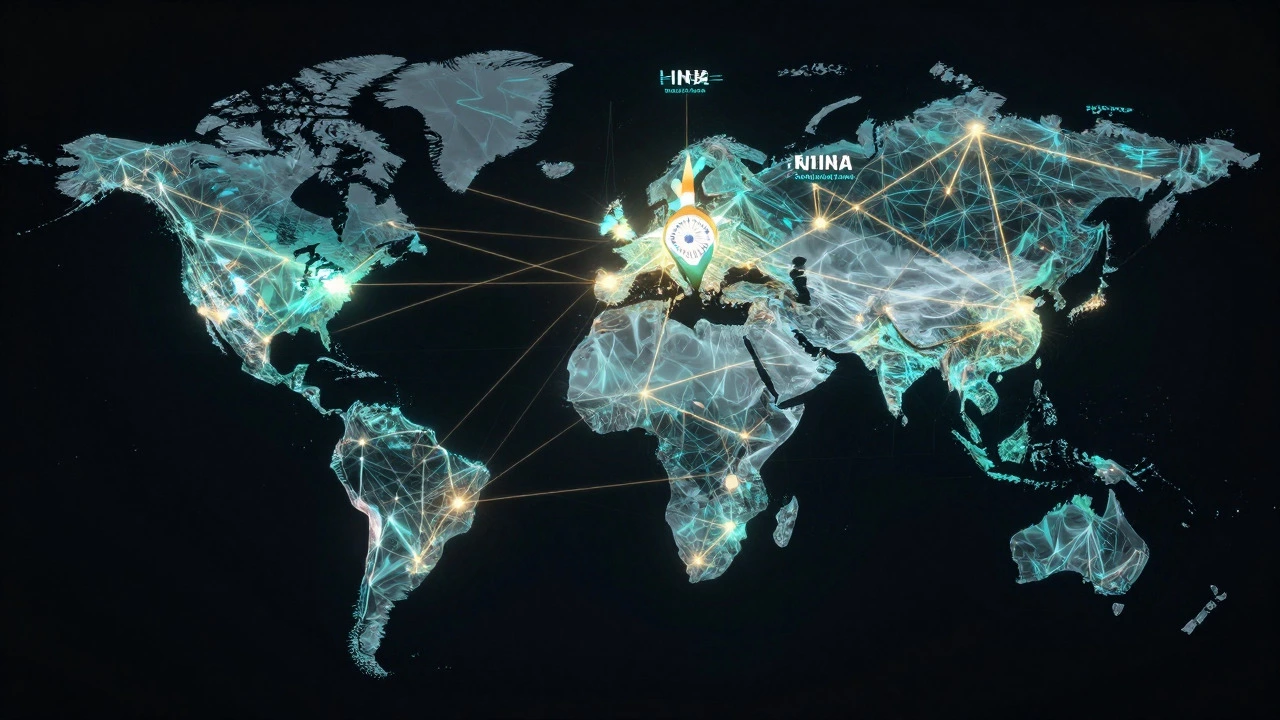
The Rising Contender: India's Electronics Ambition
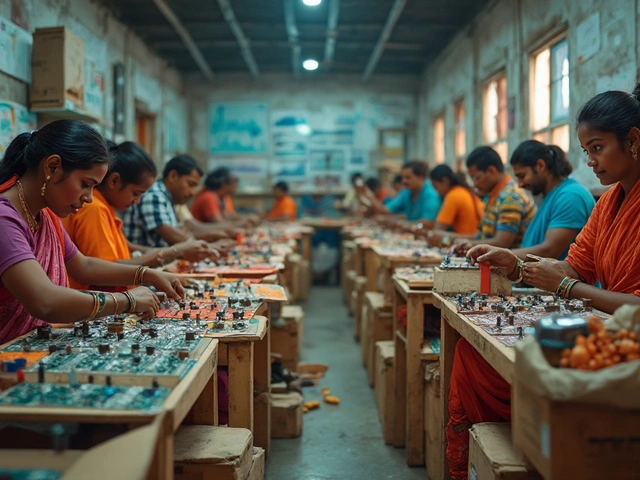
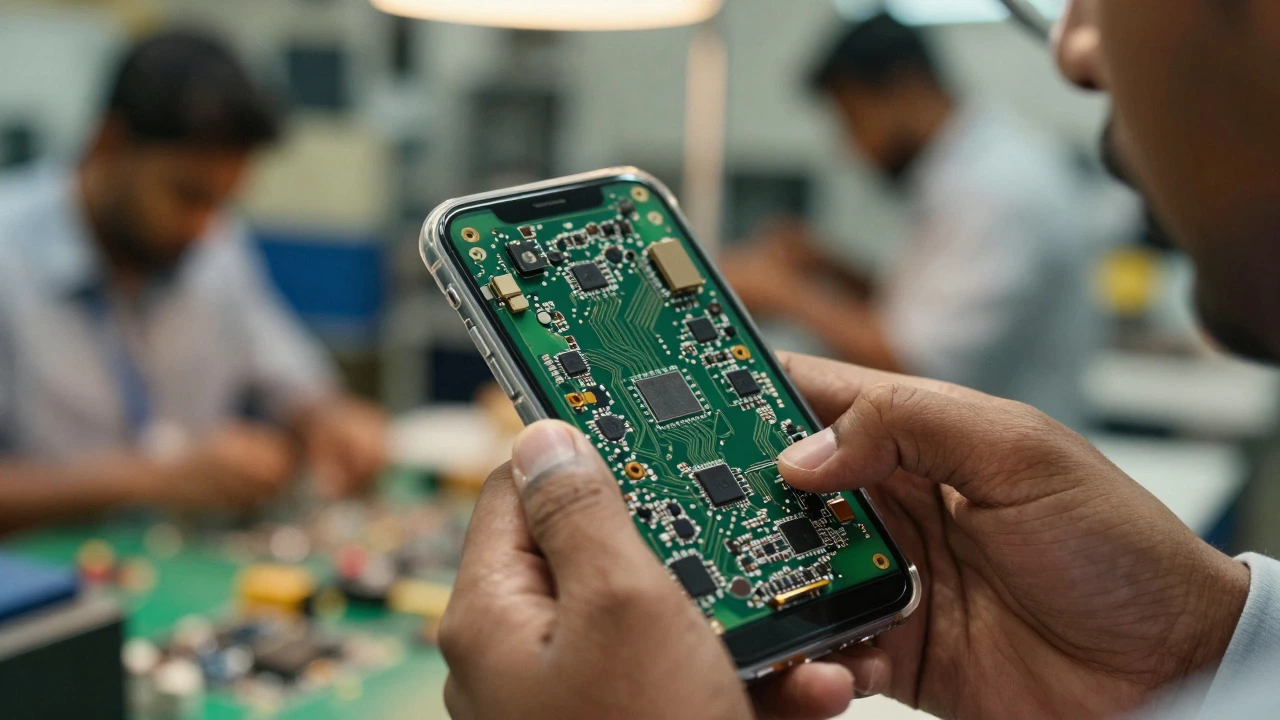
India is the wildcard in this equation. For years, India was primarily a consumer market for electronics. Today, it is rapidly transforming into a manufacturing powerhouse. The government's Production Linked Incentive (PLI) scheme has been a game-changer, offering cash incentives to companies that set up local production facilities.
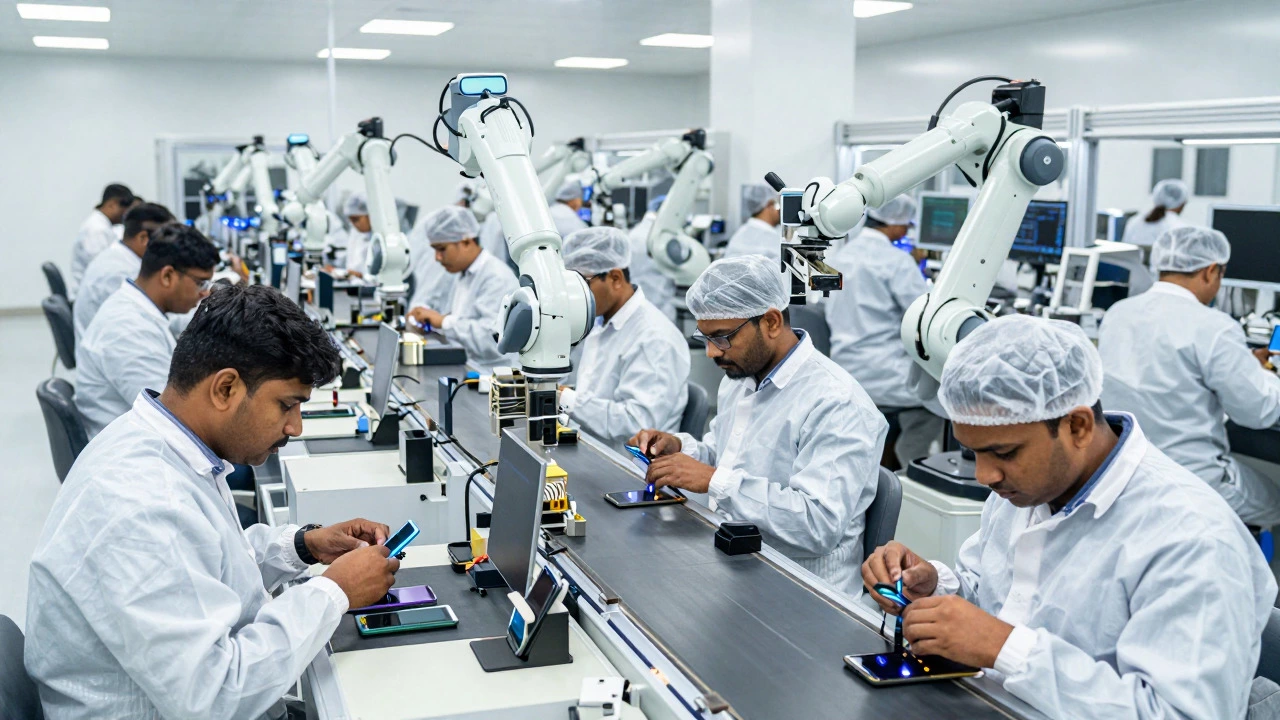
The results are visible. Major brands like Apple have shifted a significant portion of their iPhone production to India. Foxconn, Pegatron, and Wistron have built large factories in states like Tamil Nadu and Karnataka. India is now one of the top exporters of mobile phones globally. This isn't just about assembly; it includes the manufacturing of key components like cameras and displays.
Why does this matter? Because India offers a demographic dividend that China no longer has. With a young, growing workforce and a huge domestic market, India is attractive for companies looking to diversify away from China. However, India still lacks a robust local supply chain for raw materials and intermediate components. Most inputs are still imported. The goal for the next decade is to build this ecosystem from the ground up. If successful, India could become the third pillar of global electronics manufacturing, balancing the scales between the West and East Asia.
Comparing the Giants: Who Wins Where?
| Country | Primary Strength | Key Weakness | Role in Supply Chain |
|---|---|---|---|
| USA | Chip Design, Software, IP | Limited Domestic Fabrication | Brain & Blueprint |
| China | Assembly, Batteries, Displays | Lagging in Advanced Chips | Body & Scale |
| Taiwan | Advanced Chip Manufacturing | Geopolitical Risk | Core Processor Maker |
| South Korea | Memory Chips, Screens | Small Domestic Market | Component Specialist |
| India | Mobile Assembly, Labor Cost | Weak Component Ecosystem | Emerging Manufacturer |
The Future of Electronics: Fragmentation vs. Integration
The era of a single global supply chain is ending. We are moving towards a fragmented model where different regions specialize in specific layers of the electronics stack. The U.S. will likely continue to dominate design and high-value IP. East Asia (Taiwan, South Korea, Japan) will remain the hub for advanced manufacturing and materials. China will maintain its lead in assembly and green tech components like batteries. And India, along with Vietnam and Mexico, will capture more of the mid-range assembly work.
This fragmentation brings risks. It increases costs and complexity. But it also brings resilience. No single country holds all the cards anymore. For businesses, this means you need a multi-region strategy. You can't rely on one supplier or one geography. You need to understand the strengths and weaknesses of each player in the ecosystem.
For investors and entrepreneurs, the opportunities are shifting too. Instead of betting on one country, look at the connections between them. Who is supplying the machines to the factories in India? Who is providing the design software to the engineers in China? The real value often lies in the links between these giants, not just the giants themselves.
Practical Takeaways for Business and Policy
If you are involved in electronics manufacturing or sourcing, here is what you need to know:
- Diversify Your Suppliers: Don't put all your eggs in one basket. Have backup suppliers in different regions to mitigate geopolitical risks.
- Invest in Local Talent: As manufacturing moves to places like India, having a skilled local workforce becomes crucial. Partner with technical institutes to train employees.
- Understand Regulatory Changes: Trade policies change quickly. Stay updated on tariffs, export controls, and incentive schemes in key markets like the U.S., EU, and India.
- Focus on Sustainability: Green electronics are the future. Countries with strong environmental regulations will attract premium buyers. Invest in energy-efficient processes and recyclable materials.
The question "Which country is most advanced in electronics?" no longer has a simple answer. It is a team sport. The most advanced system is the one that integrates American design, Asian manufacturing, and emerging market agility. Understanding this dynamic is key to navigating the next decade of technological growth.
Is China still the leader in electronics manufacturing?
Yes, China remains the leader in terms of volume and assembly capabilities. It produces the majority of the world's consumer electronics devices. However, it is losing ground in high-end semiconductor manufacturing due to export controls and competition from other Asian nations.
How does India compare to China in electronics?
India is currently much smaller than China in total output but is growing rapidly. India excels in mobile phone assembly and has a large domestic market. China has a more complete supply chain, including components like batteries and displays, which India is still developing.
Why is the US considered advanced if it doesn't manufacture many chips?
The US leads in the most valuable part of the electronics chain: design and intellectual property. Companies like NVIDIA and Apple create the blueprints for the world's most powerful chips. The US is now investing heavily to bring manufacturing back home, but its primary strength remains innovation and software integration.
What role does Taiwan play in the global electronics industry?
Taiwan is critical because TSMC manufactures the majority of the world's advanced semiconductors. Without Taiwanese manufacturing, many modern devices, from smartphones to AI servers, could not be produced at current scales or performance levels.
Will India replace China as the world's factory?
It is unlikely that India will fully replace China soon. China has a massive infrastructure advantage and a complete supply chain. India is more likely to become a complementary hub, capturing specific segments like mobile assembly and white goods, rather than taking over the entire electronics manufacturing sector.