
Single-Use Plastic Impact Calculator
Enter the average number of items you use or throw away per day.
Enter your daily usage above to see how much single-use plastic you generate in a year.
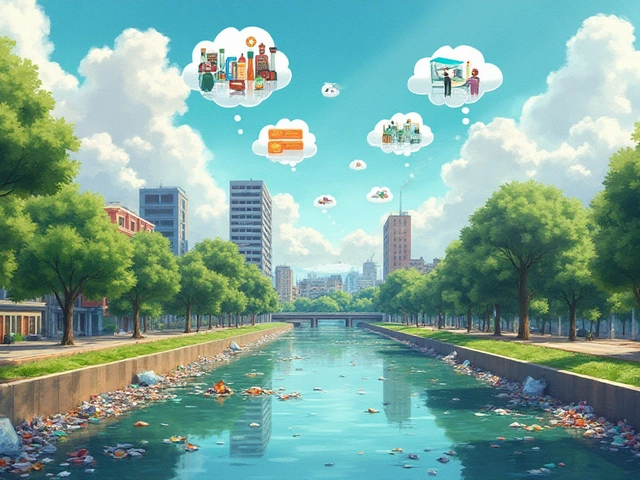
Picture this: you grab a coffee on your way to work. You drink it in ten minutes. But that cup sits in a landfill for four hundred years. It sounds absurd, right? Yet, this is the reality of modern convenience. When people ask what the most thrown-away plastic item is, they are usually looking for a single villain. They want to blame one specific object for the mountains of trash choking our oceans and clogging our landfills.
The answer isn't as simple as pointing at one product. However, if we look at volume, frequency, and disposal habits, a clear pattern emerges. Single-use plastic packaging, particularly food wrappers and beverage containers, dominates the waste stream. But within that category, one item stands out for its sheer ubiquity and low recyclability: the plastic bottle. Close behind are plastic bags and food wrappers. Understanding which items top the list is crucial because it changes how manufacturers, policymakers, and consumers approach the problem.
The Volume Leader: Plastic Bottles
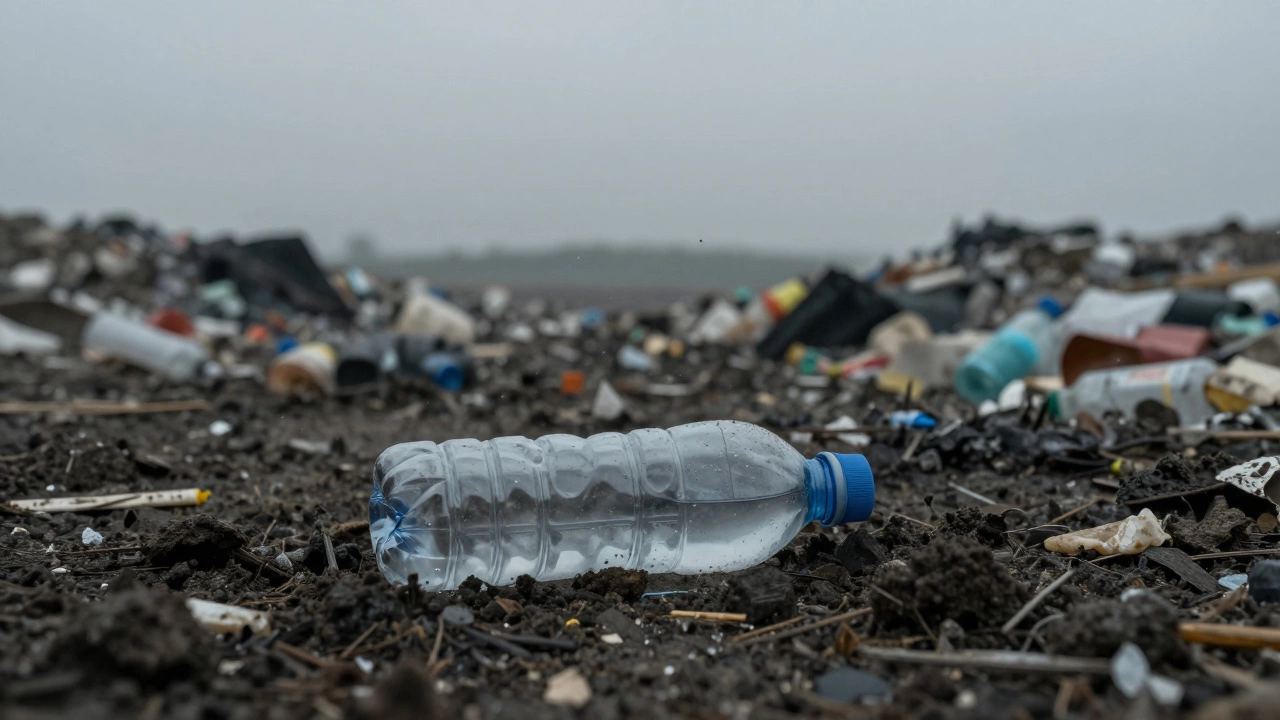
If you walk through any supermarket or office building, you will see them everywhere. PET (polyethylene terephthalate) bottles are the kings of disposable plastic. According to data from the Ellen MacArthur Foundation, approximately 1 million plastic bottles are purchased globally every minute. In many countries, including the UK where I live, the vast majority of these end up as litter or in landfills rather than being recycled into new products.
PET Bottles are single-use containers made from polyethylene terephthalate, widely used for water, soda, and juice due to their lightweight and durable nature. Despite high collection rates in some regions, only a fraction is actually recycled into new bottles. Most are downcycled into fibers for clothing or flooring, meaning they rarely return to the food-grade supply chain.
Why do bottles top the list? It’s not just because there are so many of them. It’s because they are designed for immediate disposal. Unlike a reusable water flask, a PET bottle has no second life intended by the manufacturer. Once opened, its value drops to zero. For plastic manufacturing companies, this represents a missed opportunity. The linear model of 'make, use, dispose' is economically inefficient and environmentally disastrous.
Consider the lifecycle. A plastic bottle uses fossil fuels to create, consumes energy to transport, and then requires significant resources to collect and process after use. If only 30% of collected bottles are successfully recycled into new bottles, the remaining 70% become waste. This inefficiency makes the plastic bottle the most visible symbol of throwaway culture.
The Silent Majority: Food Wrappers and Bags
While bottles get all the attention, plastic bags and food wrappers might actually be more problematic in terms of total tonnage. Think about your weekly grocery shopping. How many individual items did you buy that came wrapped in thin plastic film? Cheese slices, bread loaves, snack packs, fresh produce-each one adds to the pile.
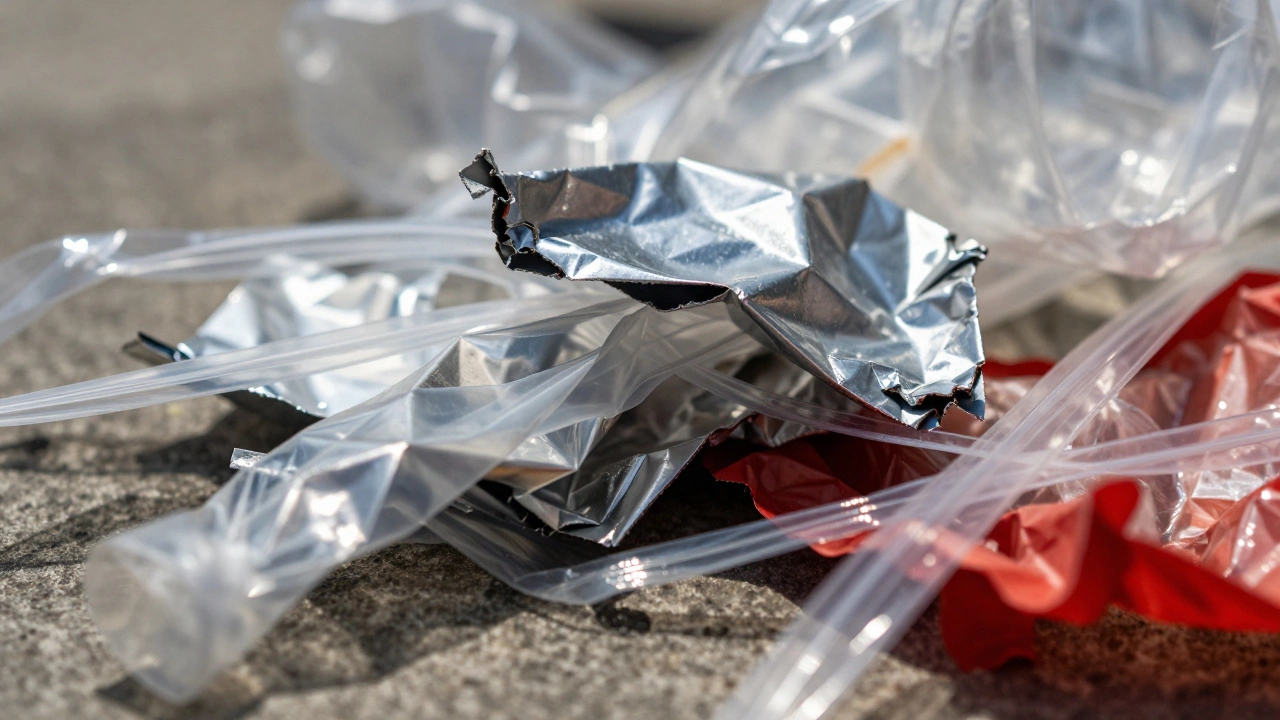
These items are often made from multi-layered plastics. Manufacturers combine different types of polymers to keep food fresh longer. For example, a chip bag might have an outer layer of polypropylene for strength and an inner layer of aluminum foil or another polymer for barrier protection. This design is brilliant for preserving food but terrible for recycling.
| Item Type | Primary Material | Recyclability | Average Lifespan in Environment |
|---|---|---|---|
| Plastic Bottle | PET (#1) | Moderate (if clean) | 450+ years |
| Plastic Bag | HDPE (#2) / LDPE (#4) | Low (requires special facilities) | 10-20 years |
| Food Wrapper | Multi-layer (Mixed) | Very Low (often non-recyclable) | Indefinite (microplastics) |
| Coffee Cup Lining | Polyethylene Coating | Extremely Low | 30+ years |
Most municipal recycling centers cannot separate these layers. So, when you toss a crumpled chocolate wrapper into the blue bin, it likely ends up in a landfill or incinerator. Because these items are so small and numerous, they escape public scrutiny. You don’t notice the wrapper until you’ve thrown away hundreds of them. This invisibility makes food packaging a major contributor to global plastic waste.
Why Recycling Fails These Items
You might wonder why we can’t just recycle everything. The issue lies in economics and technology. Recycling is a business, and businesses need profitable inputs. Clean, uniform streams of PET bottles are valuable. Dirty, mixed-up food wrappers are not.
Contamination is a huge problem. If a pizza box is greasy, it ruins a whole batch of paper recycling. Similarly, if a plastic bag gets tangled in sorting machinery, it shuts down the entire line for hours. Workers have to cut it out manually, which is dangerous and costly. As a result, many facilities reject flexible plastics altogether.
This creates a vicious cycle. Consumers believe they are doing the right thing by recycling, but their efforts are often wasted. Meanwhile, manufacturers continue producing cheap, single-use packaging because it remains cheaper than designing for durability or reuse. The cost of environmental damage is externalized-it doesn’t show up on the company’s balance sheet.
The Role of Plastic Manufacturing Companies
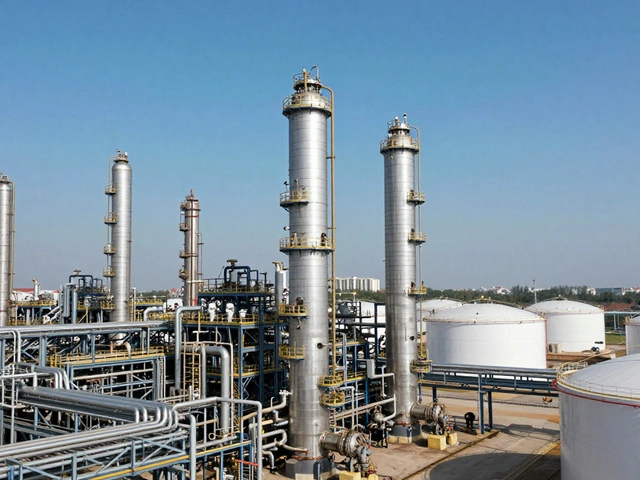
So, where does this leave the industry? Plastic manufacturing companies face growing pressure to change. Regulations like the EU’s Single-Use Plastics Directive and similar laws in the UK are forcing producers to take responsibility for the end-of-life of their products. Extended Producer Responsibility (EPR) schemes mean manufacturers now pay fees based on how much waste their packaging generates.
This shifts the incentive structure. Instead of competing solely on price, companies must compete on sustainability. Some are innovating with biodegradable materials or designing mono-material packages that are easier to recycle. Others are investing in chemical recycling technologies that break plastics down to their molecular level, allowing them to be rebuilt into virgin-quality plastic.
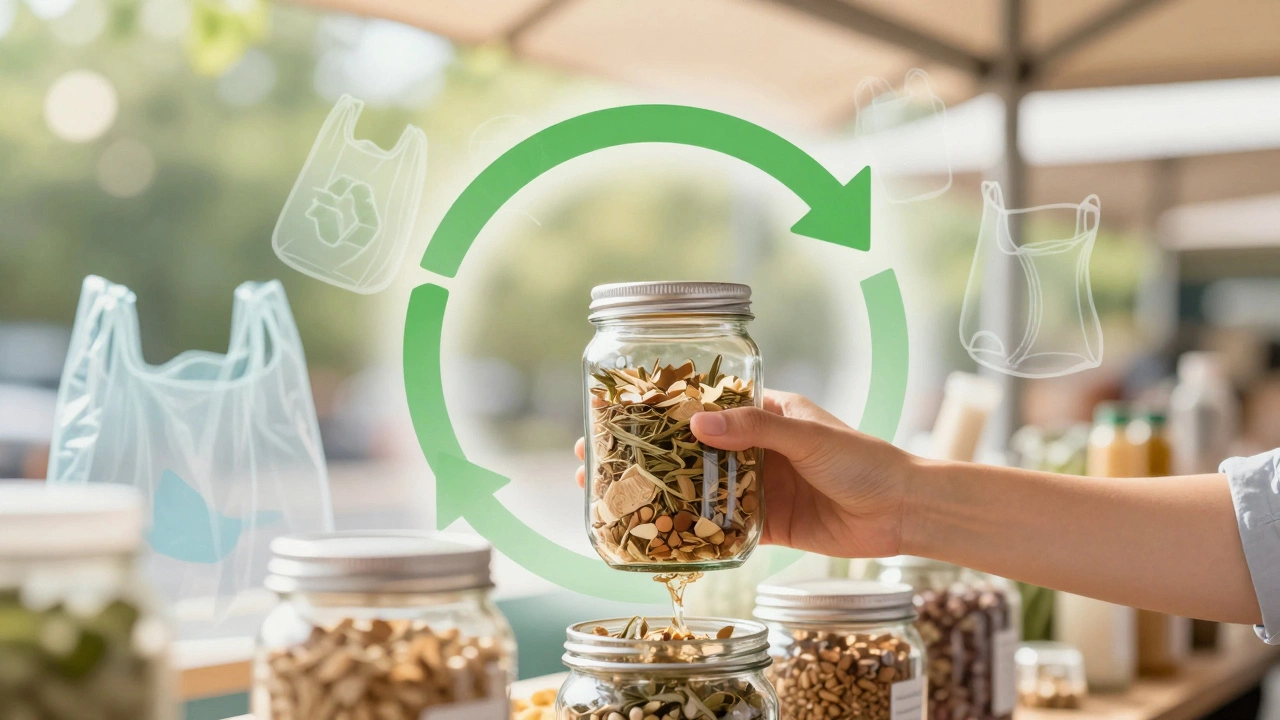
However, innovation takes time. In the meantime, the most effective solution remains reduction. We need fewer single-use items, period. Reusable systems, such as refill stations for detergents and dry goods, are gaining traction. Imagine buying shampoo in a glass bottle that you refill at a local shop instead of throwing away a plastic one every month. It feels old-fashioned, but it cuts waste at the source.
What Can You Do Right Now?
Knowing what the most thrown-away plastic item is helps you target your efforts. Here are practical steps you can take today:
- Carry a reusable water bottle. This alone eliminates hundreds of PET bottles from your annual waste stream.
- Say no to straws and cutlery. When ordering takeaway, decline the plastic extras. They are among the most commonly littered items.
- Choose loose produce. Avoid fruits and vegetables wrapped in plastic films. Buy bananas, apples, and oranges without packaging.
- Support brands with reusable packaging. Look for companies offering refill options or using certified compostable materials.
- Properly sort your recycling. Rinse containers and remove lids if required by your local council. Contaminated recycling often gets rejected entirely.
Small actions add up. If everyone in Birmingham stopped buying bottled water, we would prevent thousands of tons of plastic waste each year. Individual choices signal demand to manufacturers. When consumers reject single-use plastics, companies listen.
Looking Ahead: A Circular Future
The goal isn’t just to manage waste better; it’s to eliminate waste altogether. A circular economy keeps materials in use for as long as possible. For plastic, this means designing products that can be easily disassembled, repaired, or recycled. It also means shifting consumer behavior from ownership to access-renting tools, sharing appliances, and buying services instead of goods.
Technology will play a role, but policy and culture matter more. Governments must enforce strict limits on unnecessary plastic. Schools should teach children about resource conservation. Communities can organize cleanup events and repair cafes. Every effort counts.
We stand at a crossroads. One path leads to continued accumulation of plastic debris in our oceans and soil. The other leads to a cleaner, healthier planet where materials flow efficiently and safely. Choosing the right path starts with understanding what we throw away-and why.
Is plastic really unrecyclable?
No, many plastics are technically recyclable. However, economic and logistical barriers prevent widespread recycling. Only about 9% of all plastic ever produced has been recycled. Most ends up in landfills, incinerators, or the natural environment. Improving collection infrastructure and creating markets for recycled materials are key challenges.
Which plastic type is hardest to recycle?
Multi-layered plastics, such as those used in chip bags and candy wrappers, are extremely difficult to recycle. These materials combine different polymers that cannot be separated easily. Additionally, flexible plastics like films and bags often jam recycling machinery, leading many facilities to reject them outright.
How long does a plastic bottle last in nature?
A standard PET plastic bottle can take up to 450 years to decompose. During this time, it breaks down into smaller pieces called microplastics, which enter the food chain and harm wildlife. UV radiation and physical abrasion accelerate fragmentation but do not eliminate the material.
Are biodegradable plastics a solution?
Biodegradable plastics offer promise but are not a silver bullet. Many require industrial composting facilities with specific temperature and humidity conditions to break down properly. If they end up in landfills or oceans, they may persist just like conventional plastics. Proper labeling and disposal infrastructure are essential for their success.
What is Extended Producer Responsibility (EPR)?
EPR is a policy approach where manufacturers bear financial and physical responsibility for the entire lifecycle of their products, including disposal. By making producers pay for waste management, EPR incentivizes them to design easier-to-recycle packaging and reduce overall material usage. Several countries, including members of the European Union, have implemented EPR schemes for packaging waste.