US Devices in India: Where American Tech Meets Indian Manufacturing
When you buy a US device, a product designed and often manufactured in the United States, commonly found in Indian markets. Also known as American-made electronics, these devices range from iPhones and Dell laptops to medical scanners and industrial sensors. They’re not just imported—they’re increasingly assembled, repaired, and even redesigned here. India isn’t just a market for US tech anymore. It’s becoming part of its supply chain.
Companies like Apple, Dell, and Medtronic now have factories or major assembly partners in India. Why? Lower labor costs, tax breaks under India’s Production Linked Incentive (PLI) scheme, and faster access to 1.4 billion consumers. You might think your iPhone is made in China, but over 20% of iPhones sold in India now come from factories in Tamil Nadu and Karnataka. Even US medical device makers like Boston Scientific are shifting production here to avoid import duties and serve local hospitals faster. The Indian electronics market, a rapidly growing sector driven by local demand, government policy, and foreign investment. Also known as domestic tech manufacturing, it’s now worth over $150 billion and growing at 15% a year. This isn’t just about selling more gadgets—it’s about building local expertise. Engineers in Bengaluru are now designing firmware for US brands. Workers in Pune are testing circuit boards that go into American-made drones. The line between "made in USA" and "made in India for the US" is fading fast.
What does this mean for you? If you’re buying a US device in India, you’re not just getting imported tech—you’re getting something that’s already being adapted here. Repairs are faster. Spare parts are cheaper. Firmware updates might even be localized. And if you’re looking to start a business, there’s a real opportunity: reverse engineering US designs for local needs, building repair networks, or even sourcing components from Indian suppliers who now supply global brands. The posts below show you exactly how this shift is happening—from the factories making US-branded phones in Tamil Nadu, to the startups turning old US electronics into affordable new products, to the hidden players in Gujarat who supply parts to American tech giants. You’ll see who’s winning, who’s falling behind, and what’s next for the devices you use every day.
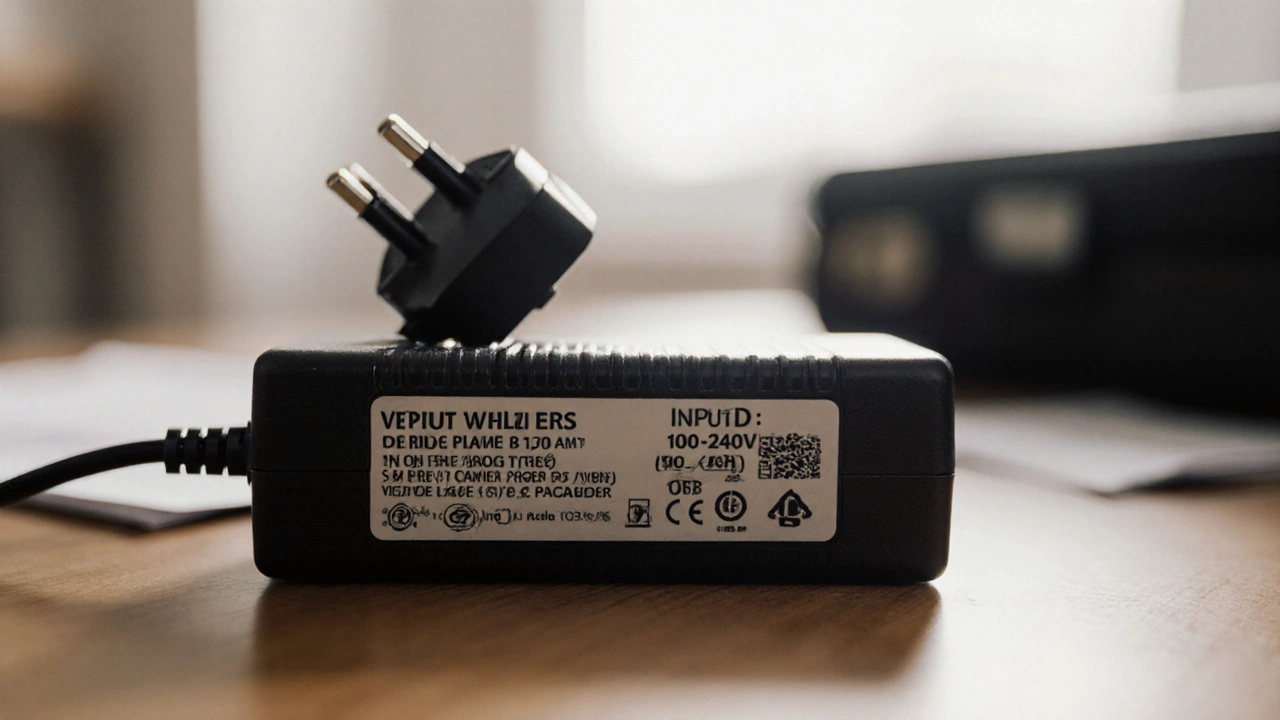
Will US Electronics Work in India? Voltage, Plugs, and What You Really Need to Know
Will your US electronics work in India? Learn what devices are safe, which ones to avoid, and how to use them without damage. Voltage, plugs, and real-world tips for travelers and expats.
Electronics Manufacturing
Latest Posts




Tags
- manufacturing
- small scale manufacturing
- plastic manufacturing
- plastic pollution
- India
- food processing
- textile industry
- government schemes
- electronics manufacturing
- small business
- steel manufacturing
- startup ideas
- production
- textile manufacturers India
- manufacturing business ideas
- business ideas
- chemical manufacturers India
- electronics manufacturing India
- steel manufacturing plants
- plastic manufacturers