Textiles in India: Manufacturing, Policies, and Hidden Opportunities
When you think of textiles, fabric made from natural or synthetic fibers used in clothing, home goods, and industrial applications. Also known as fabric production, it's one of India's oldest and largest industries, employing over 45 million people and contributing nearly 2% to the country’s GDP. This isn’t just about saris and shirts—it’s about factories, policy shifts, and small-scale makers turning raw cotton into high-value exports. India doesn’t just make textiles; it redefines them with handloom artistry, automated looms, and government-backed incentives that are changing how the world sources fabric.
The real story is in places like Gujarat, a state in western India that leads the nation in textile production and innovation. With the Gujarat Textile Policy 2024, a set of financial incentives, tax breaks, and infrastructure support designed to boost textile manufacturing, the state is pulling in new investment and helping small mills upgrade without going broke. This isn’t just paperwork—it means cheaper power, faster approvals, and direct subsidies for buying new machinery. And it’s working. Gujarat now produces nearly 40% of India’s textiles, beating Maharashtra and Tamil Nadu in output and export growth.
But textiles aren’t just about big factories. Behind every export shipment are hundreds of home-based weavers, women’s cooperatives in rural Bihar, and family-run dye units in Ludhiana. These aren’t just tradition—they’re innovation. Many of these small players are now using digital design tools, eco-friendly dyes, and direct-to-buyer platforms to skip middlemen and double their profits. The global demand for sustainable, handmade, and fast-turnaround textiles is rising, and India is uniquely positioned to fill that gap.
What’s often ignored is how textiles connect to other industries. The same cotton used in your shirt ends up in car interiors, medical gauze, or even insulation for solar panels. India’s textile sector feeds into pharma, automotive, and construction—all without most people realizing it. And with rising labor costs in China, brands from Europe and the U.S. are shifting orders here faster than ever. The question isn’t whether India can compete—it’s whether local makers are ready to scale.
Below, you’ll find real stories and data from people who live this every day: from manufacturers winning state incentives to entrepreneurs turning scrap fabric into profitable products. No fluff. Just what’s working, who’s winning, and where the next opportunity is hiding.
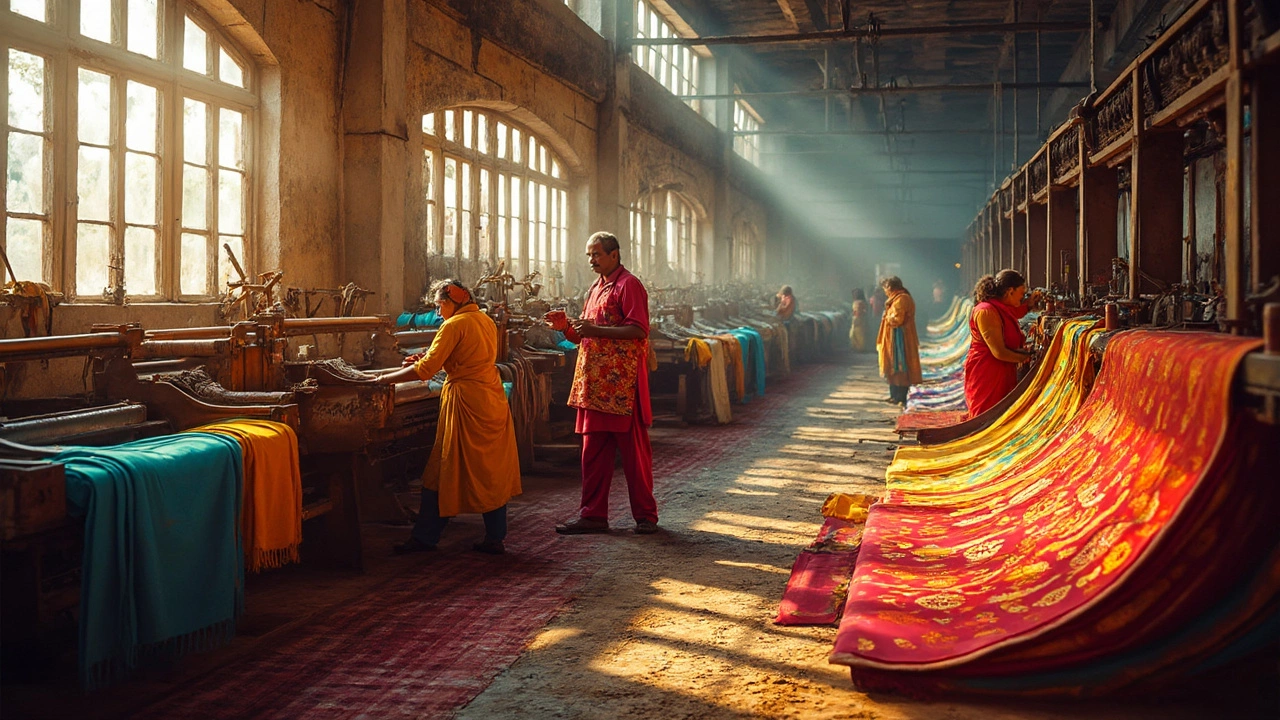
India's Rank in Global Textile Manufacturing
India stands as a powerhouse in the global textile industry, holding significant influence due to its extensive production capabilities. Its ranking reflects a rich history coupled with modern advancements. This article offers insights into India's current position in the textile world and some interesting facets about its manufacturing sector. Dive in to discover intriguing facts and essential tips related to textile manufacturing in India.
Textile Manufacturing
Latest Posts


Tags
- manufacturing
- small scale manufacturing
- plastic manufacturing
- plastic pollution
- India
- food processing
- textile industry
- government schemes
- electronics manufacturing
- small business
- steel manufacturing
- startup ideas
- production
- textile manufacturers India
- manufacturing business ideas
- business ideas
- chemical manufacturers India
- electronics manufacturing India
- steel manufacturing plants
- plastic manufacturers