Textile Manufacturing in India: How It Works, Who Leads, and What’s Changing
When you think of textile manufacturing, the process of turning raw fibers like cotton, silk, or synthetic yarn into fabrics and finished garments. Also known as fabric production, it’s one of the most labor-intensive yet vital industries in India, supporting over 45 million jobs and contributing nearly 2% to the country’s GDP. This isn’t just about looms and thread—it’s about entire ecosystems: farmers growing cotton, spinners twisting yarn, weavers operating power looms, dyers mixing colors, and exporters shipping out finished goods to the U.S., Europe, and Southeast Asia.
India’s textile manufacturing isn’t stuck in the past. While traditional handloom clusters in Varanasi and Kanchipuram still produce intricate silks, modern hubs in Gujarat, a state that accounts for nearly 40% of India’s textile output and hosts major spinning and weaving centers are investing heavily in automated looms, digital printing, and eco-friendly dyes. The Gujarat Textile Policy 2024, a government initiative offering subsidies, tax breaks, and infrastructure support to manufacturers is pushing small and medium factories to upgrade—making them more competitive against China and Bangladesh. Meanwhile, brands are demanding traceable, sustainable fabrics, forcing mills to track every meter of cloth from farm to factory.
What’s surprising is how much of this industry still runs on human skill. In places like Tirupur or Surat, workers manually inspect every inch of fabric for defects. In rural areas, women run small units from their homes, weaving sarees on handlooms passed down for generations. These aren’t just jobs—they’re cultural heritage. But the future belongs to those who blend tradition with tech: a mill that uses AI to predict fabric demand, a startup that recycles plastic bottles into polyester yarn, or a cooperative that exports directly to online buyers in Germany.
You’ll find stories here about the people behind the thread—the factory owners who doubled their output with a single machine, the farmers who switched to organic cotton after seeing higher prices, and the exporters who cracked the U.S. market without a single ad. Some posts show how small manufacturers are cutting costs by reusing water and waste. Others break down why Gujarat leads while Tamil Nadu struggles to keep up. There’s even a look at what happens when global brands demand faster delivery—and how Indian mills are rising to the challenge.
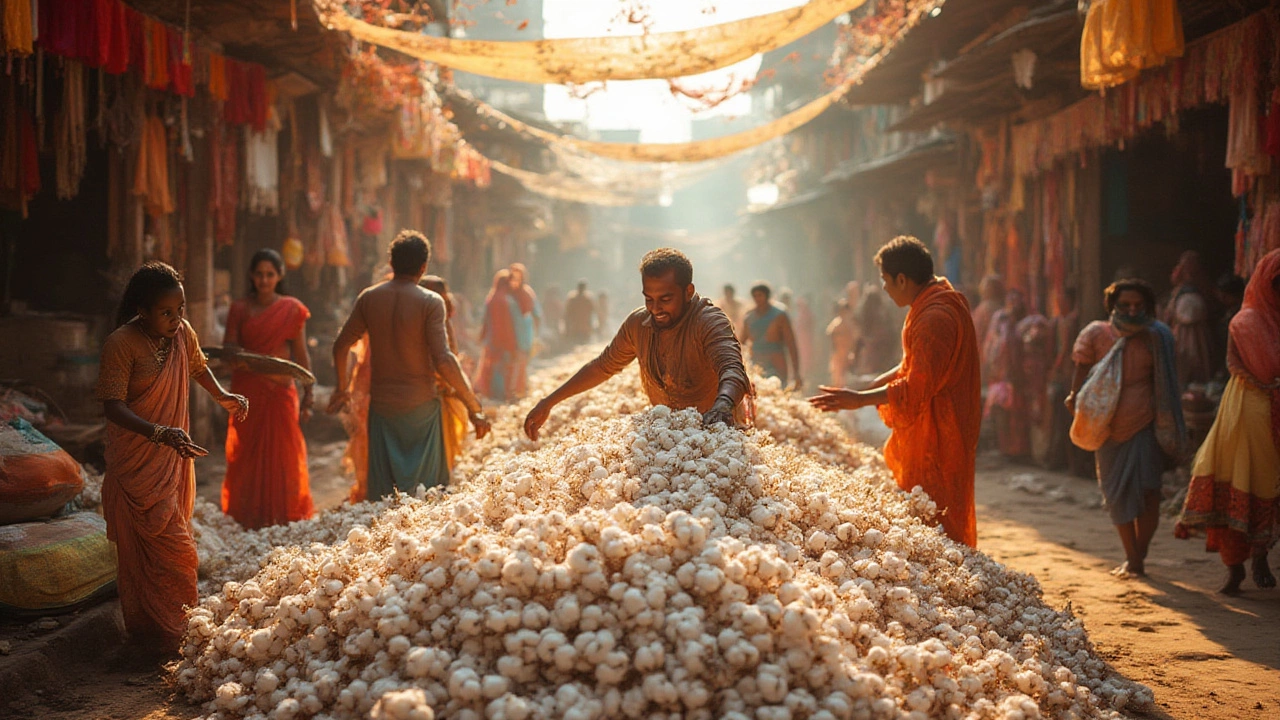
Queen of Textile: Who Holds This Historic Title and Why It Matters
Uncover the real story behind the queen of textile, the role cotton plays, and why this title still influences global trade and everyday life.
Textile Manufacturing
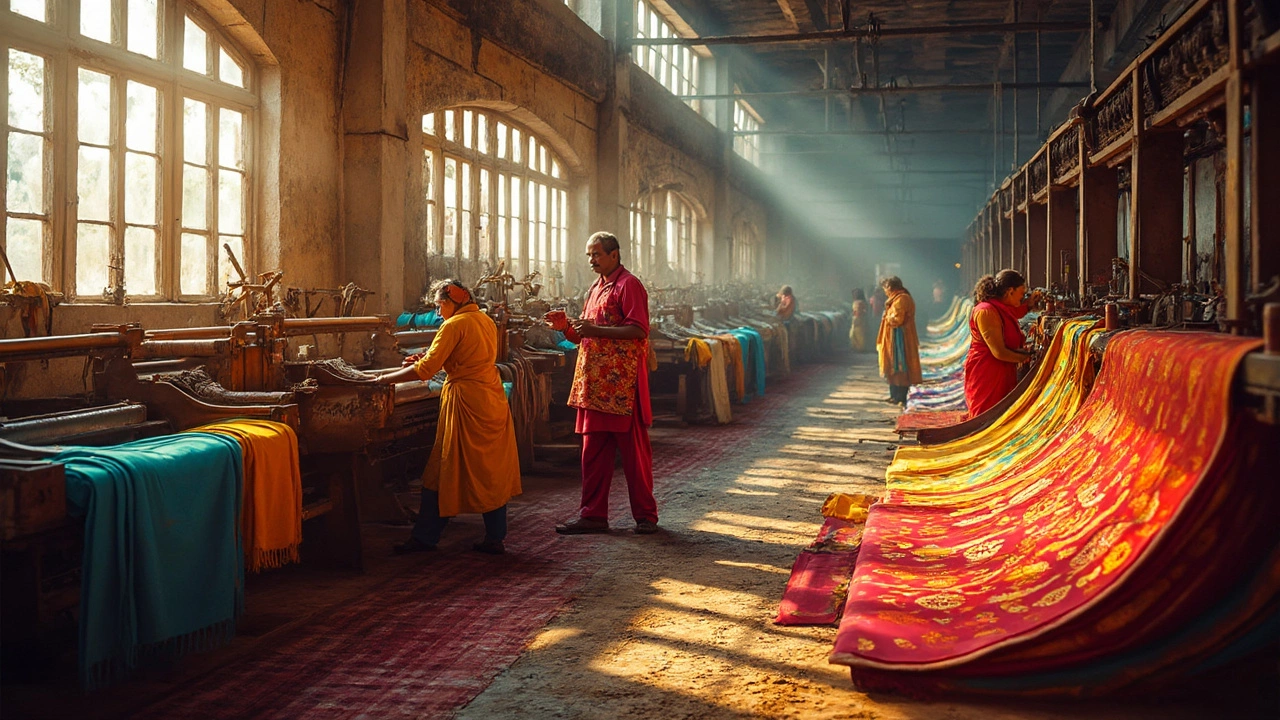
India's Rank in Global Textile Manufacturing
India stands as a powerhouse in the global textile industry, holding significant influence due to its extensive production capabilities. Its ranking reflects a rich history coupled with modern advancements. This article offers insights into India's current position in the textile world and some interesting facets about its manufacturing sector. Dive in to discover intriguing facts and essential tips related to textile manufacturing in India.
Textile ManufacturingLatest Posts



Tags
- manufacturing
- small scale manufacturing
- plastic manufacturing
- plastic pollution
- India
- food processing
- textile industry
- government schemes
- electronics manufacturing
- small business
- steel manufacturing
- startup ideas
- production
- textile manufacturers India
- manufacturing business ideas
- business ideas
- chemical manufacturers India
- electronics manufacturing India
- steel manufacturing plants
- plastic manufacturers