Textile Industry in India: Trends, Policies, and Manufacturing Insights
When we talk about the textile industry, the sector that turns fibers like cotton, silk, and synthetic threads into fabrics and clothing. Also known as fabric manufacturing, it's one of India's oldest and largest employers, supporting over 45 million people directly and contributing nearly 2% to the country's GDP. This isn’t just about saris and shirts—it’s a complex network of spinning mills, dye houses, power looms, and export units that move billions of dollars every year.
The Gujarat textile policy 2024, a set of government incentives designed to boost local textile production and attract investment is a big reason why the state now leads India in textile output. It offers subsidies on machinery, tax breaks for exporters, and support for eco-friendly dyeing tech. Meanwhile, textile manufacturing India, a sector that blends traditional handloom skills with modern automated looms is shifting from low-cost labor to high-value innovation. Factories in Tamil Nadu, Maharashtra, and Uttar Pradesh are now producing technical textiles for medical use, automotive filters, and geotextiles—not just everyday clothes.
What’s driving this change? Global brands are looking beyond China, and India’s skilled workforce, cotton supply, and growing domestic market make it a top pick. The textile industry, a sector that’s been around for centuries but is now being reshaped by digital design tools and sustainable practices is no longer just about volume—it’s about quality, speed, and ethics. Brands want traceable supply chains, water-saving dyes, and fair wages. Indian mills are stepping up, and the government is helping with training programs and export incentives.
You’ll find posts here that break down exactly how these pieces fit together: from the real impact of Gujarat’s policy changes to how small factories are competing with giants. We’ll show you who’s winning in exports, what new materials are replacing plastic-based fibers, and how handloom weavers are surviving in a machine-driven world. No fluff. Just clear, practical insights from inside India’s textile ecosystem.
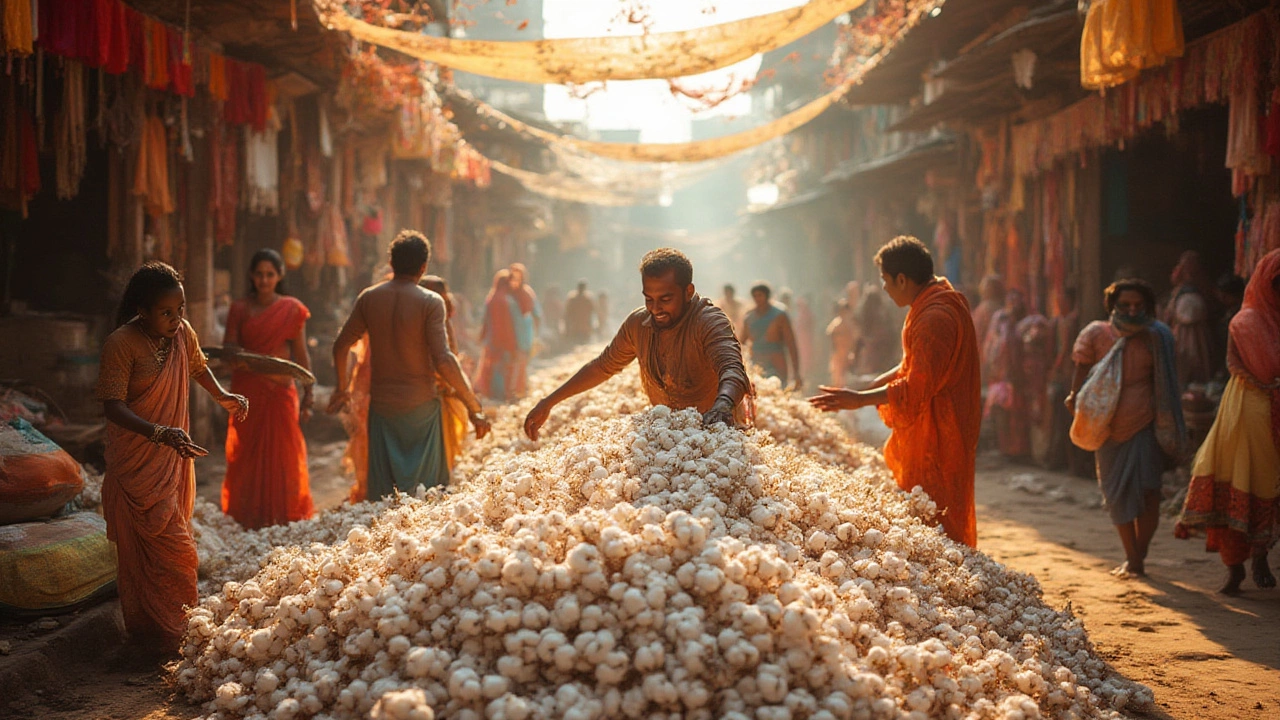
Queen of Textile: Who Holds This Historic Title and Why It Matters
Uncover the real story behind the queen of textile, the role cotton plays, and why this title still influences global trade and everyday life.
Textile Manufacturing
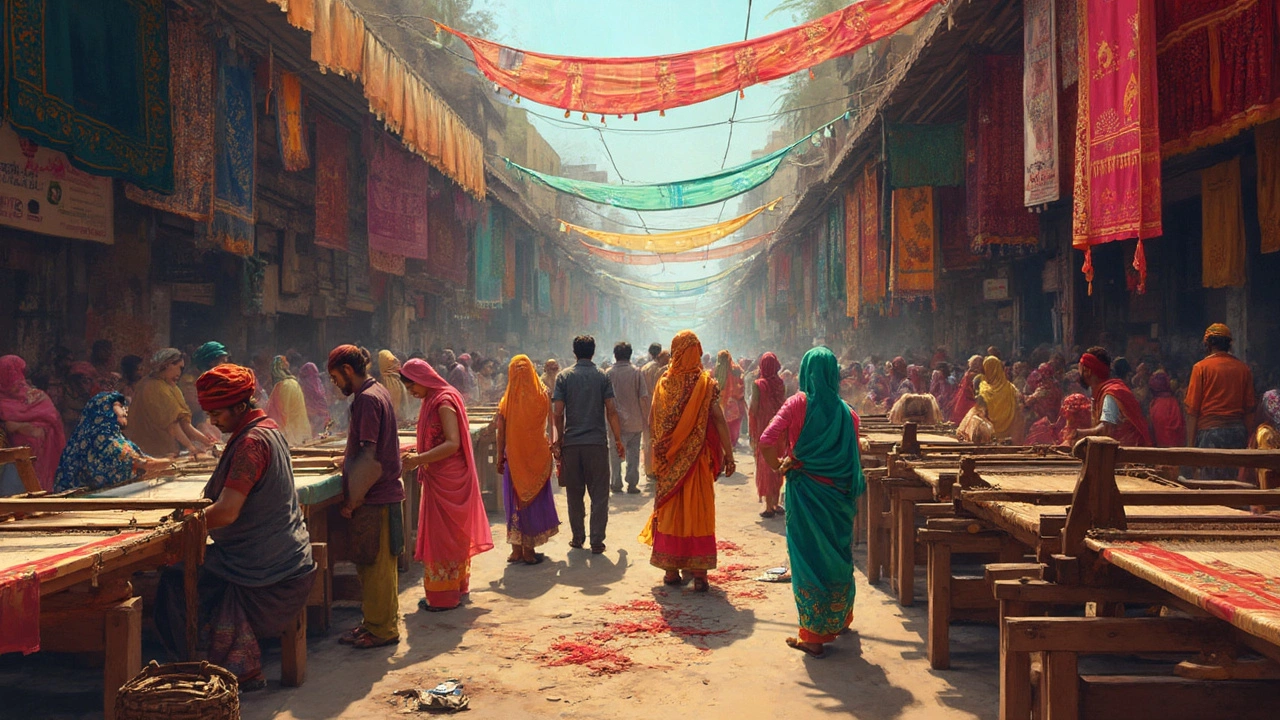
Most Profitable Textile Businesses in India: What You Need to Know
Exploring the most profitable textile businesses in India, this article highlights the key factors that drive success in the industry. It offers insights into various segments within the textile market, from traditional weaving to modern tech-integrated practices. Readers will discover practical tips for entering or expanding in this sector. It also discusses the trends affecting profitability and how to capitalize on them.
Textile Manufacturing
Is India the World's Textile Powerhouse in 2025?
The textile industry in India has a rich history and plays an integral role in the global market. Known for its diverse and quality fabrics, India is often considered a textile hub. The country boasts a wide array of traditional and modern techniques. In 2025, India continues to innovate while staying true to its heritage. This article explores India's status as a textile powerhouse.
Textile Manufacturing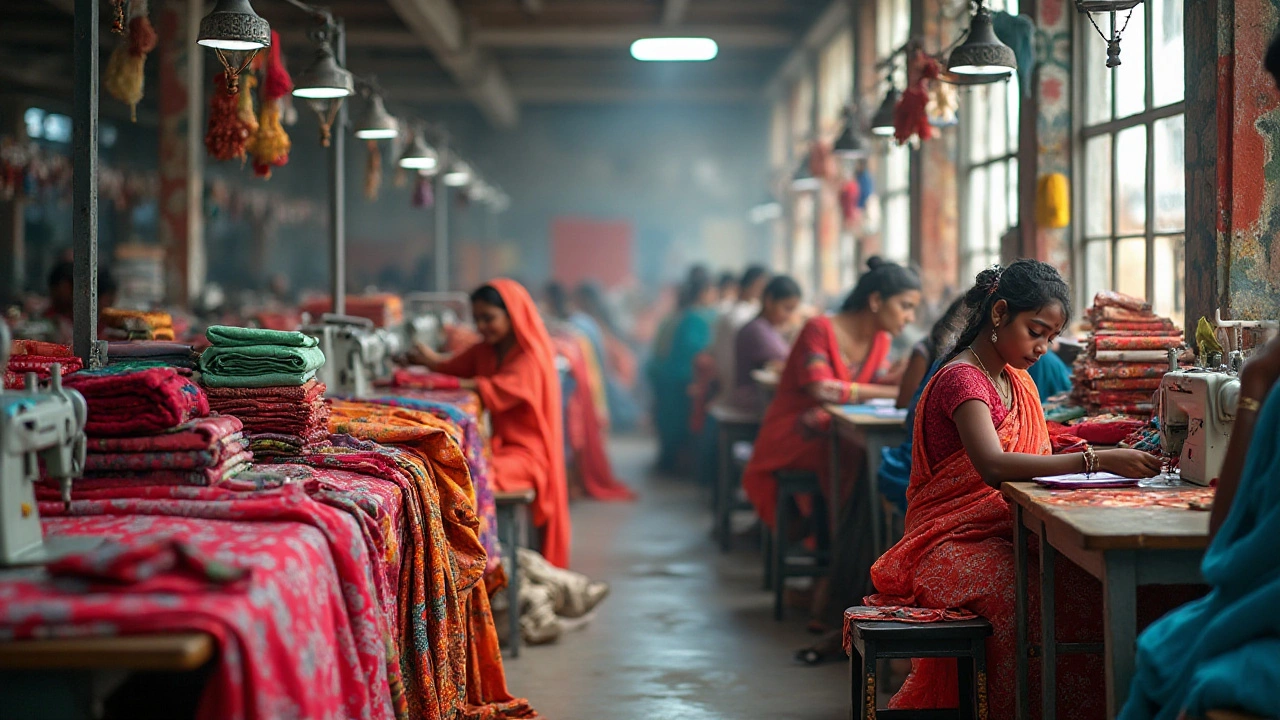
Leading Garment Exporter in India: A Closer Look
India's textile industry is a significant contributor to its economy, renowned for its large-scale production and export of garments. The sector hosts major players whose names resonate globally due to their high-quality products and competitive pricing. This article explores the leading garment exporter in India, highlighting the factors that have propelled their success in the global market. Tips and interesting insights are also provided, offering a thorough understanding of the competitive landscape within the Indian textile industry.
Textile ManufacturingLatest Posts



Tags
- small scale manufacturing
- manufacturing
- plastic pollution
- plastic manufacturing
- India
- chemical manufacturers India
- government schemes
- textile manufacturers India
- electronics manufacturing
- food processing
- steel manufacturing
- textile industry
- small business
- manufacturing business ideas
- plastic waste
- manufacturing business
- startup ideas
- production
- textile manufacturing
- business ideas