Structural Steel Fabricators: Who They Are and Why India Is Rising Fast
When you see a skyscraper, a bridge, or a factory rising from the ground, the real magic happens long before the concrete is poured—structural steel fabricators, companies that cut, drill, weld, and assemble steel beams and columns into precise shapes for construction. Also known as steel fabricators, they turn raw steel into the skeleton of modern infrastructure. These aren’t just welders with torches—they’re engineers of scale, working from blueprints to deliver parts that fit together perfectly under massive loads. In India, this field is exploding, not because of big subsidies, but because of skilled labor, fast turnaround, and growing demand from real estate, infrastructure, and industrial projects.
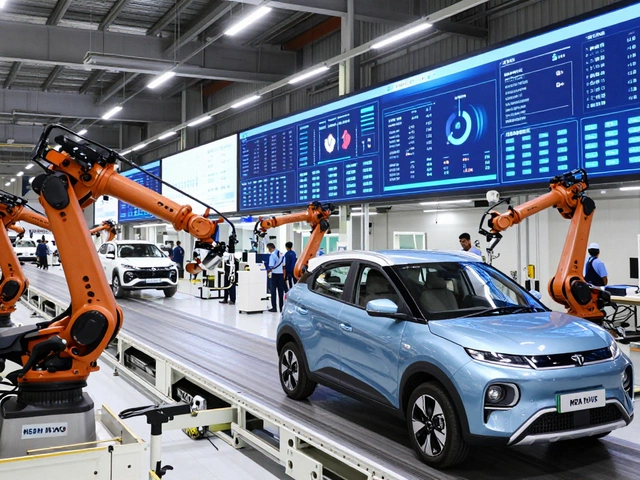
Structural steel fabrication is different from general steel production. While steel mills, like those in Jharkhand or Odisha, produce raw steel ingots and slabs, fabricators take that material and turn it into beams, channels, trusses, and columns. They use CNC machines, plasma cutters, and robotic arms to get millimeter-perfect results. The best ones don’t just follow orders—they help architects and engineers design for cost, strength, and speed. In places like Gujarat and Tamil Nadu, small-to-medium fabricators are now exporting to Africa, the Middle East, and Southeast Asia, undercutting Chinese and European prices by 20–30% without sacrificing quality.
What makes Indian structural steel fabricators stand out? It’s not just cheap labor. It’s adaptability. A fabricator in Ludhiana might build a custom crane base for a solar plant one week and a warehouse frame for an e-commerce warehouse the next. They work with IS 2062 and ASTM standards, often faster than Western firms because they skip layers of bureaucracy. And unlike in the U.S., where labor shortages slow projects, India has a growing pool of trained welders and draftsmen—many trained through government skill programs.
You’ll find these fabricators clustered near ports, steel plants, or industrial zones—like in Pune, Hyderabad, or Rajkot. They don’t always have flashy websites, but their work is in every new mall, hospital, and highway overpass. Some even specialize in seismic-resistant frames for earthquake-prone areas, or lightweight structures for prefab homes. And with India pushing for 5 million square meters of new industrial space by 2030, the demand is only climbing.
So if you’re looking to build something strong, fast, and cost-effective, understanding who these fabricators are—and how they operate—can save you time, money, and headaches. Below, you’ll find real examples of how Indian manufacturers are redefining what’s possible with structural steel, from small workshops to export-ready factories. No fluff. Just what works.

Who Is the Largest Steel Fabricator in the United States?
Nucor Corporation is the largest steel fabricator in the United States, handling over 12 million tons of steel annually across 30+ fabrication plants. They supply structural steel for skyscrapers, bridges, and renewable energy projects nationwide.
Steel Manufacturing
Latest Posts



Tags
- manufacturing
- small scale manufacturing
- plastic manufacturing
- plastic pollution
- India
- food processing
- textile industry
- government schemes
- electronics manufacturing
- small business
- steel manufacturing
- startup ideas
- production
- textile manufacturers India
- manufacturing business ideas
- business ideas
- chemical manufacturers India
- electronics manufacturing India
- steel manufacturing plants
- plastic manufacturers