Plastic Types: What They Are, How They're Used, and Which Ones Matter Most
When you think of plastic, you might picture a water bottle or a grocery bag—but plastic types, the different chemical formulations used to make plastic materials. Also known as polymer resins, they vary wildly in strength, heat resistance, and environmental impact. There are over 60 kinds of plastics, but only a handful are used in everyday manufacturing. The ones you see most often—like polyethylene, the most common plastic, used in bags, bottles, and containers—are cheap, flexible, and easy to mold. But not all plastics are created equal. Some are recyclable. Others can’t be processed after use. And a few are being banned outright because of how they harm ecosystems.
Polypropylene, a tougher, heat-resistant plastic used in food containers, automotive parts, and medical devices, is one of the fastest-growing types in India’s manufacturing sector. It’s replacing older materials in packaging because it’s lightweight and survives sterilization. Then there’s PVC, polyvinyl chloride, a rigid plastic used in pipes, cables, and window frames. It’s durable, but its production releases toxic chemicals, making it controversial. Meanwhile, PET, polyethylene terephthalate, the plastic behind soda bottles and food jars, is widely recycled—but only if it’s collected properly. In India, recycling rates for PET are climbing thanks to informal waste collectors and new state-level policies, especially in Gujarat and Tamil Nadu.
Why does this matter to manufacturers? Because choosing the wrong plastic type can mean higher costs, regulatory trouble, or product failure. A toy made with low-grade polyethylene might melt in the sun. A medicine bottle made with non-food-safe plastic could contaminate its contents. And if you’re exporting, countries like the EU and US are tightening rules on single-use plastics—especially those made from non-recyclable resins. The best manufacturers don’t just pick plastic because it’s cheap. They pick it because it fits the product, the market, and the future.
What you’ll find below are real examples from Indian manufacturers who’ve switched plastic types to cut waste, reduce costs, or meet new standards. Some turned scrap plastic into new products. Others found alternatives to PVC or single-use polyethylene. You’ll see how small factories are adapting—not because they had to, but because they saw the opportunity. This isn’t about guilt. It’s about smart choices.
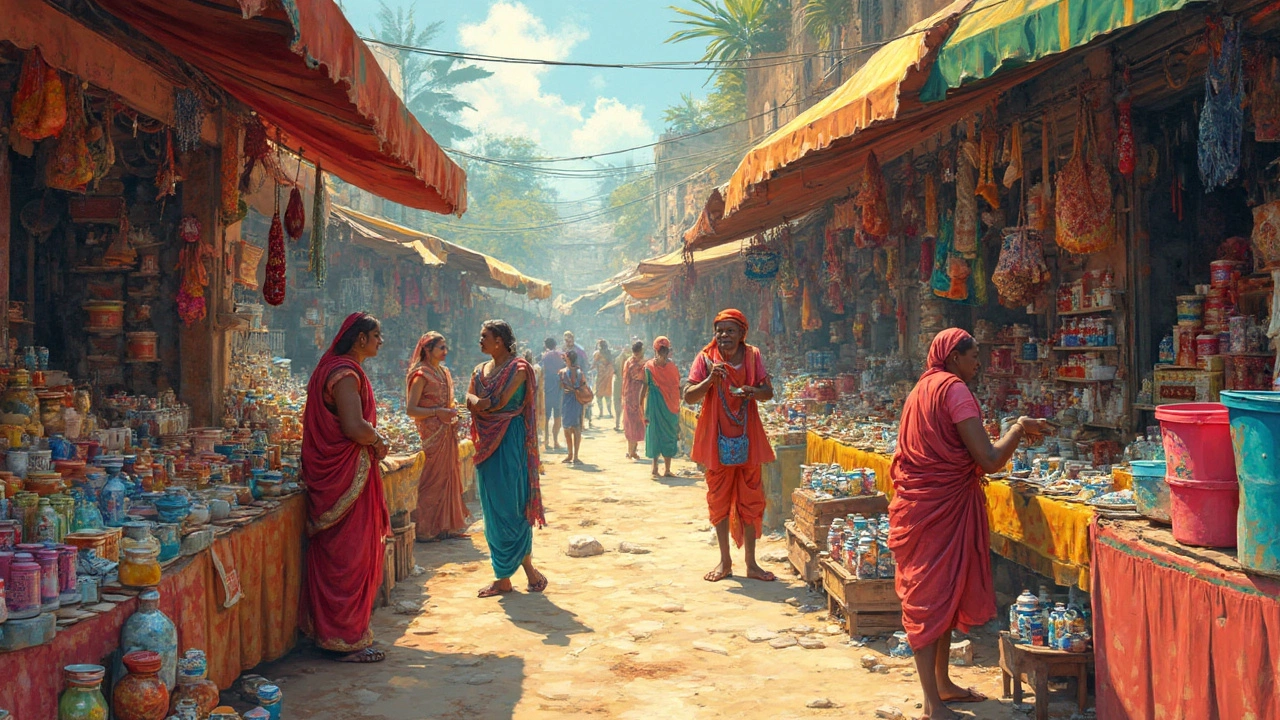
What's the Best Plastic Out There?
In the massive world of plastics, figuring out which type is the highest quality can be a real head-scratcher. This article dives into the factors that make one type of plastic better than another, from durability to environmental impact. Understanding these distinctions helps manufacturers, businesses, and even consumers make smarter choices. Discover practical tips and uncover some surprising facts about the plastics you use every day.
Plastic Manufacturing
Latest Posts


Tags
- manufacturing
- small scale manufacturing
- plastic manufacturing
- plastic pollution
- India
- food processing
- textile industry
- government schemes
- electronics manufacturing
- small business
- steel manufacturing
- startup ideas
- production
- textile manufacturers India
- manufacturing business ideas
- business ideas
- chemical manufacturers India
- electronics manufacturing India
- steel manufacturing plants
- plastic manufacturers