Plastic Pollution: How It's Made, Who's Fighting It, and What You Can Do
When you hear plastic pollution, the widespread contamination of ecosystems by synthetic plastic materials that don’t break down naturally. Also known as plastic waste, it’s not just litter—it’s a byproduct of how we produce, use, and throw away everyday items. Every year, over 400 million tons of plastic are made globally. Most of it is designed to be used once and tossed. That’s why rivers carry it into oceans, birds mistake it for food, and even remote mountain peaks now have microplastic particles in the snow.
This isn’t just an environmental issue—it’s a manufacturing one. The same factories that make plastic manufacturing, the industrial process of turning petroleum-based chemicals into flexible, lightweight materials like polyethylene and PVC also feed this problem. In India, plastic production has grown fast, especially for packaging, single-use bags, and cheap consumer goods. But while companies race to produce more, few have built systems to take it back. That’s where recycling plastic, the process of collecting, sorting, cleaning, and reprocessing used plastic into new products comes in. Right now, less than 10% of all plastic ever made has been recycled. The rest ends up buried, burned, or floating in the sea.
But change is happening. Some small manufacturers in India are turning plastic waste into bricks, tiles, and even furniture. Others are designing products that last longer or use less plastic. And people are starting to ask: Why do we need plastic wrap on a cucumber? Why does a toothbrush need to be thrown away after three months? These aren’t just questions—they’re calls to rethink how things are made. The posts below show real examples: how trash becomes profit, how simple changes in production cut waste, and how local entrepreneurs are building businesses that don’t just sell plastic—but clean it up.
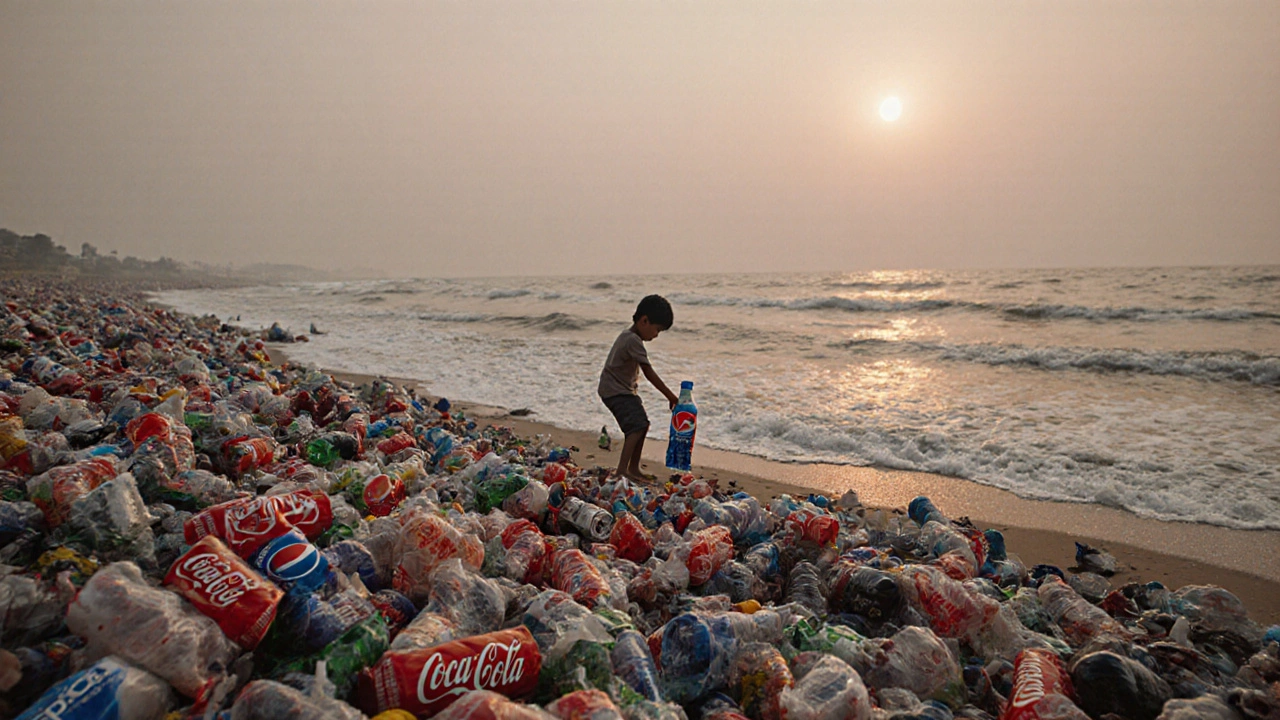
Who Is the Largest Plastic Polluter in the World? Top Companies Behind the Plastic Crisis
Coca-Cola, Nestlé, and PepsiCo are the world's largest plastic polluters, producing billions of single-use packages annually. Despite recycling claims, their plastic waste continues to rise, overwhelming ecosystems and communities worldwide.
Plastic Manufacturing
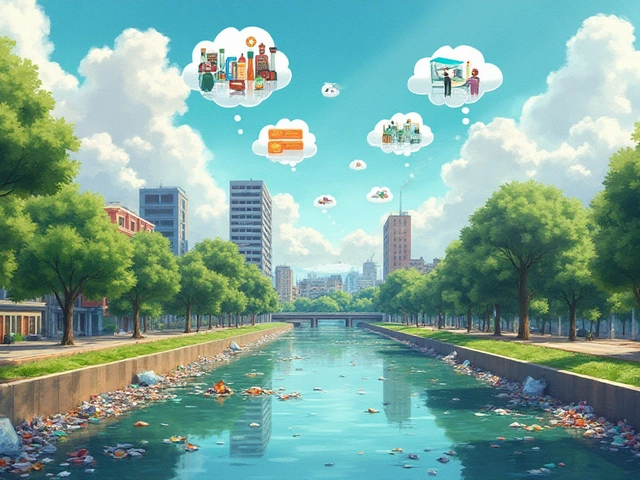
![Which Country Dumps the Most Plastic in the Ocean? [Data & Facts for 2025]](/uploads/2025/07/which-country-dumps-the-most-plastic-in-the-ocean-data-facts-for.webp)
Which Country Dumps the Most Plastic in the Ocean? [Data & Facts for 2025]
Discover which country tosses the most plastic into our seas, why it matters, and actionable tips to fight ocean plastic pollution today.
Plastic Manufacturing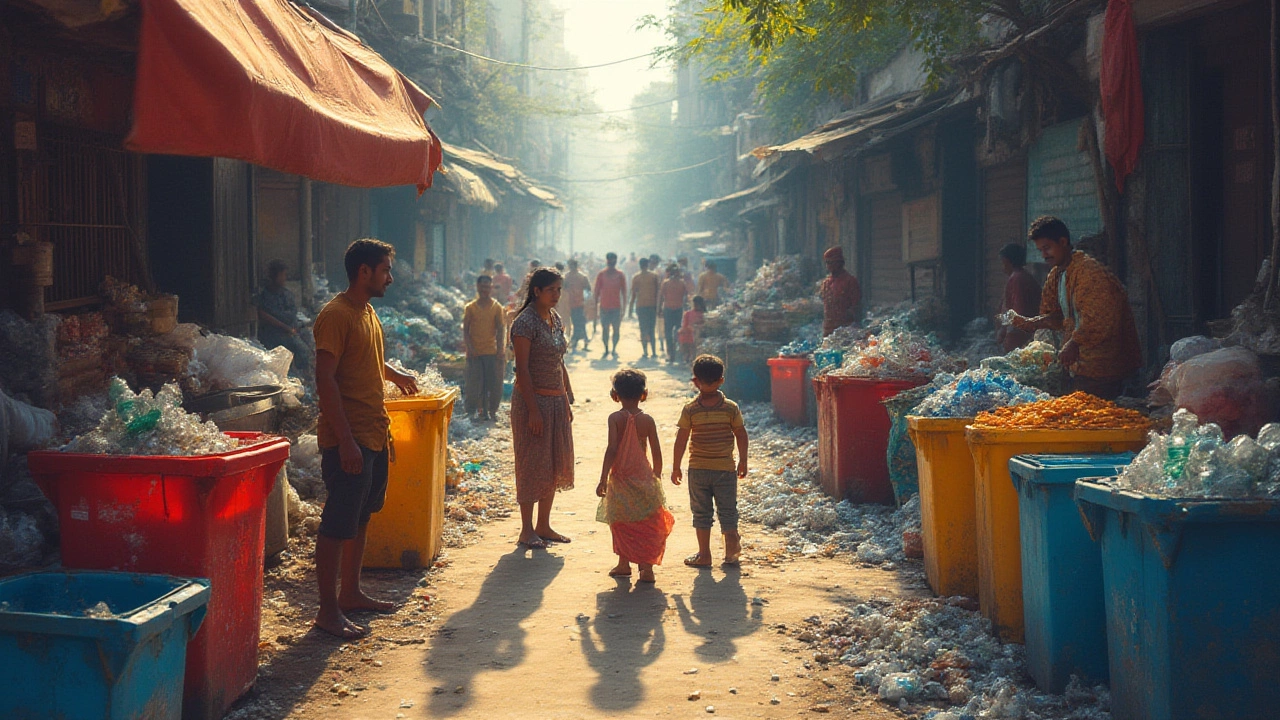
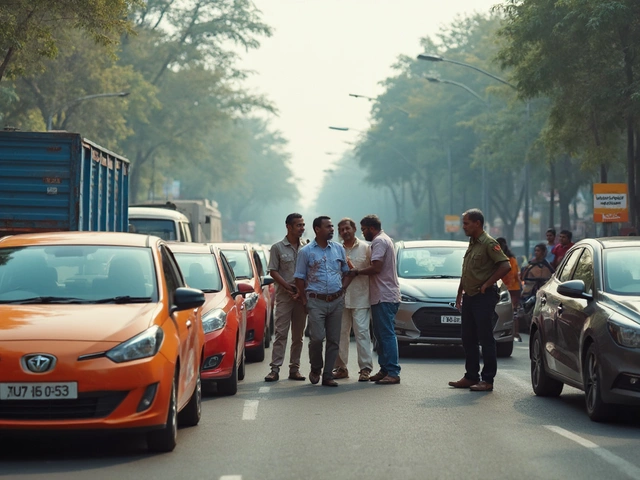
Where Does Used Plastic Go? Understanding Plastic Waste Disposal and Recycling
Find out what really happens to plastic after you use it, exploring recycling, landfill, and pollution—plus tips to reduce your plastic footprint.
Plastic Manufacturing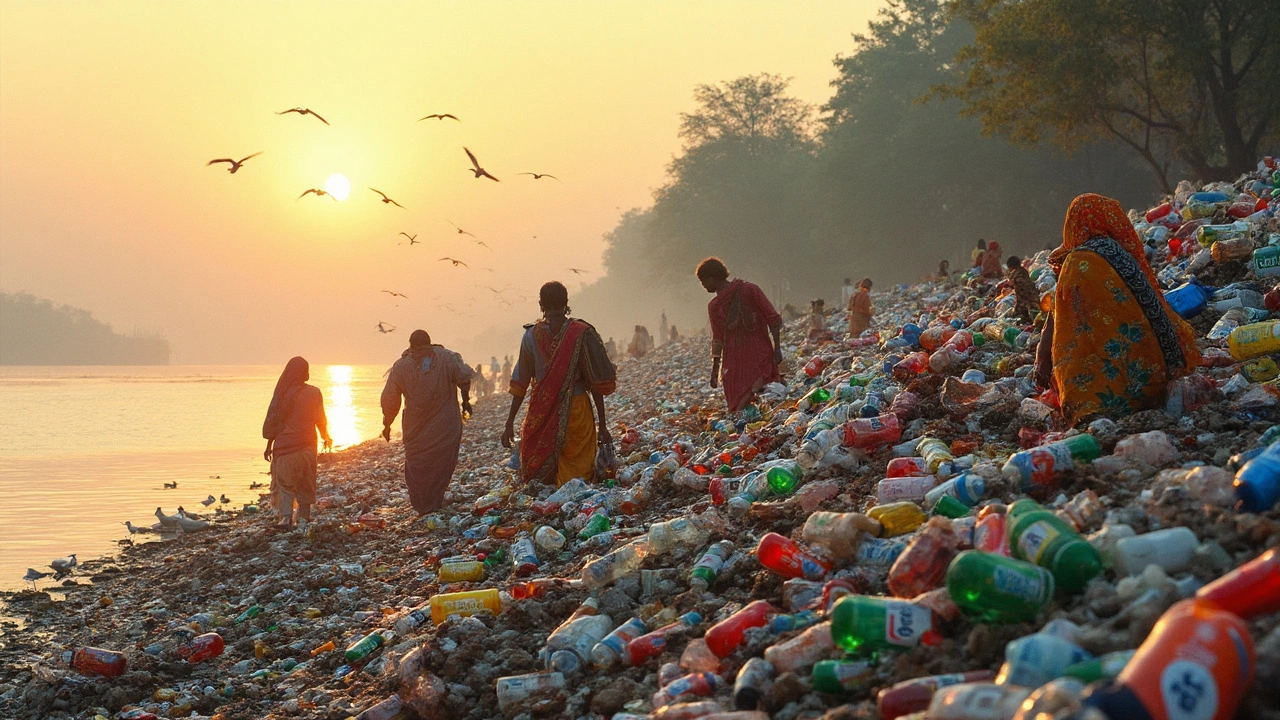
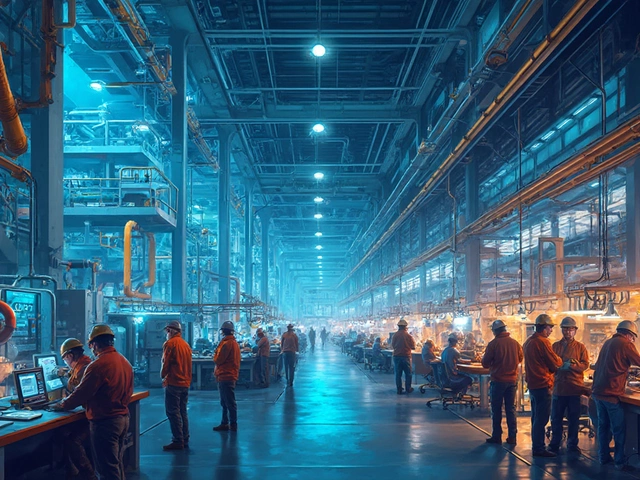
Plastic Pollution: Which Company Pollutes the Most?
This article looks into which companies are responsible for the most plastic pollution in the world. You’ll find out who tops the list, why their plastic output is a problem, and what tactics drive their high numbers. We’ll dig into recent findings, share eye-opening data, and give some tips on how to minimize your own plastic footprint. If you’re curious or worried about plastic waste, you’ll find practical facts and ideas here.
Plastic Manufacturing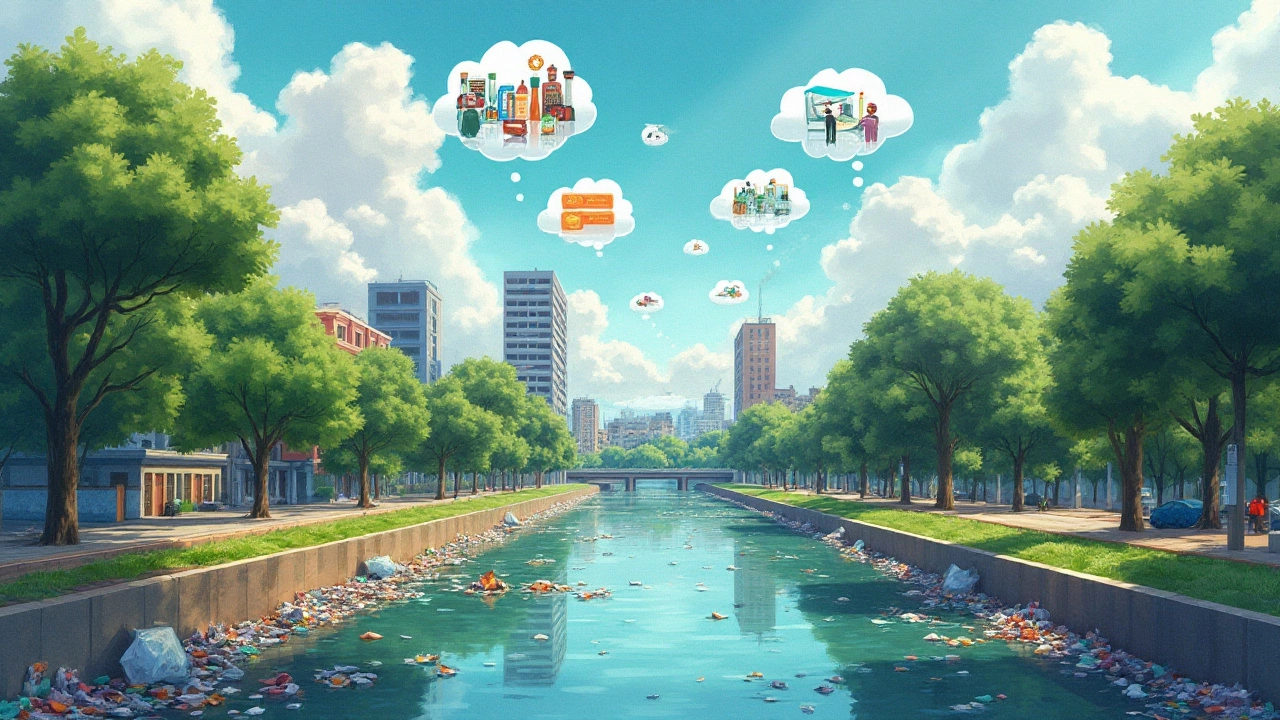
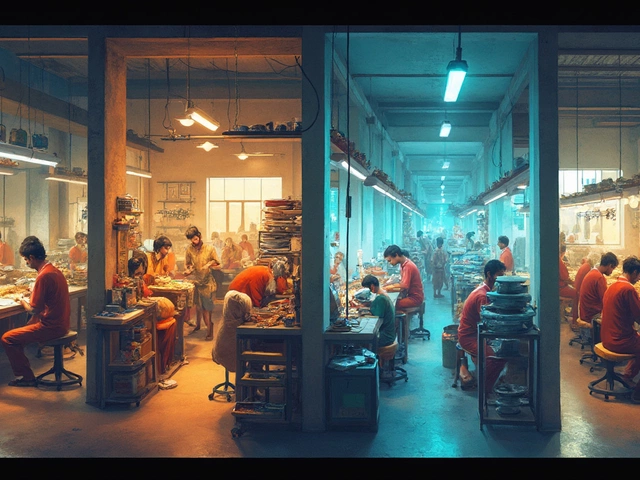
Unmasking the Culprits: Who Holds Responsibility for Plastic Pollution?
Plastic pollution is a growing environmental crisis that affects ecosystems and human health. While consumers often bear the blame, a significant part of the responsibility lies with plastic manufacturing companies. By understanding their role in pollution and the initiatives some companies are taking for sustainability, we can forge a path towards a cleaner planet. This article explores the complex relationship between manufacturers, policies, and public demand in tackling plastic waste.
Business and IndustryLatest Posts

Tags
- manufacturing
- small scale manufacturing
- plastic manufacturing
- India
- plastic pollution
- food processing
- textile industry
- government schemes
- electronics manufacturing
- small business
- steel manufacturing
- startup ideas
- production
- textile manufacturers India
- manufacturing business ideas
- business ideas
- chemical manufacturers India
- electronics manufacturing India
- steel manufacturing plants
- manufacturing business