Nestlé: Inside the World’s Largest Food Company and Its Impact on Indian Manufacturing
When you think of Nestlé, the world’s largest food and beverage company, founded in 1866 and now operating in over 190 countries. Also known as Nestlé S.A., it produces everything from baby formula to coffee pods, and its supply chain touches nearly every corner of global food production. In India, Nestlé doesn’t just sell products—it builds factories, trains local farmers, and adapts recipes to regional tastes. That’s not marketing. That’s manufacturing strategy.
Nestlé’s success comes from mastering food processing, the systematic transformation of raw ingredients into safe, shelf-stable products using unit operations like pasteurization, drying, and packaging. These aren’t magic tricks. They’re repeatable, scalable techniques used in plants across Gujarat, Punjab, and Tamil Nadu. The same food science, the study of how ingredients behave under heat, pressure, and time that makes your Maggi noodles cook in two minutes also lets Nestlé turn milk into powdered formula that lasts for years without refrigeration. And in India, where cold chains are still patchy, that’s not just convenient—it’s essential.
What’s often missed is how Nestlé pulls Indian smallholders into its system. In Rajasthan, it buys milk from over 800,000 farmers through its dairy cooperative model. In Madhya Pradesh, it sources tomatoes for its sauces from local growers using contract farming. This isn’t charity. It’s supply chain control. By training farmers on hygiene, yield, and consistency, Nestlé ensures quality at the source—and cuts costs downstream. That’s the real lesson: big manufacturing doesn’t always mean big machines. Sometimes, it means building trust one village at a time.
You’ll find posts here that dig into how Nestlé’s methods compare to local brands, how Indian food factories are adopting its tech, and why some of its products dominate shelves while others flop. There’s also deep dives into the unit operations behind your favorite snacks, how food science drives flavor innovation, and what happens when global giants meet local tastes. This isn’t about branding. It’s about how real manufacturing works—on the ground, in the plant, and in the pantry.
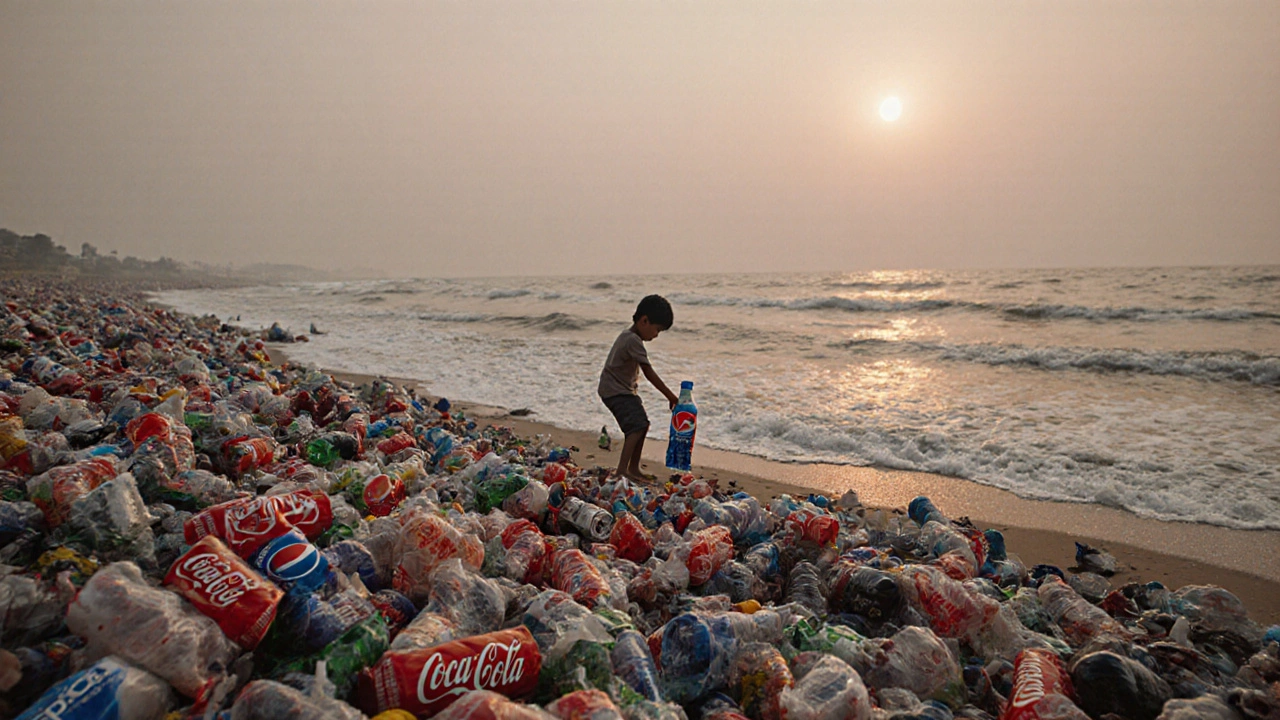
Who Is the Largest Plastic Polluter in the World? Top Companies Behind the Plastic Crisis
Coca-Cola, Nestlé, and PepsiCo are the world's largest plastic polluters, producing billions of single-use packages annually. Despite recycling claims, their plastic waste continues to rise, overwhelming ecosystems and communities worldwide.
Plastic Manufacturing
Latest Posts


Tags
- manufacturing
- small scale manufacturing
- plastic manufacturing
- India
- plastic pollution
- food processing
- textile industry
- government schemes
- electronics manufacturing
- small business
- steel manufacturing
- startup ideas
- production
- textile manufacturers India
- manufacturing business ideas
- business ideas
- chemical manufacturers India
- electronics manufacturing India
- steel manufacturing plants
- manufacturing business