Global Furniture Market: Trends, Leaders, and What’s Really Driving Demand
When we talk about the global furniture market, the $700+ billion industry that includes everything from wooden chairs to modular sofas sold across continents. Also known as worldwide home furnishings trade, it’s not just about style—it’s about supply chains, labor costs, and who controls the factories behind your living room set. This isn’t a niche market. Every home on Earth, from a tiny apartment in Tokyo to a farmhouse in Texas, needs furniture. And the people making it? They’re not just in Europe or North America anymore.
The real shift happened in the last 20 years. Factories that once built furniture in the U.S. and Germany moved to places like Vietnam, Poland, and India. Why? Cheaper labor, better government incentives, and faster shipping routes. Today, furniture manufacturing, the process of turning wood, metal, and fabric into finished home products is dominated by Asia. China still leads in volume, but countries like India and Indonesia are catching up fast—especially in exports. India alone shipped over $5 billion in furniture abroad in 2023, mostly to the U.S., U.K., and Australia. And it’s not just low-cost copies anymore. Indian makers are now designing modern, minimalist pieces that compete directly with European brands.
What’s driving this? Three things: remote work, online shopping, and sustainability. More people working from home means bigger demand for desks, chairs, and storage. Online retailers like Amazon and Wayfair have turned furniture into a click-and-deliver product, changing how it’s packaged, shipped, and returned. And now, buyers care about where the wood came from. Is it FSC-certified? Was it made with low-emission glue? That’s changing how factories operate—and who gets the contracts.
The furniture exports, the movement of finished furniture across international borders are no longer just about price. They’re about reliability, speed, and compliance. Buyers don’t want a shipment delayed because of poor quality control or customs issues. That’s why manufacturers who invest in clean production lines, digital inventory systems, and third-party inspections are winning deals. India’s growing furniture hubs in Punjab, Tamil Nadu, and Uttar Pradesh are starting to get these systems in place.
And here’s the thing most people miss: the furniture industry trends, the shifts in design, materials, and consumer behavior shaping the next decade aren’t just about aesthetics. They’re about automation. Small factories that used to rely on hand-sanding and glue guns are now using CNC routers, robotic arms, and AI-powered quality checks. The ones who don’t adapt won’t survive. But the ones who do? They’ll export to more countries than ever before.
What you’ll find in the posts below isn’t just fluff about trends. It’s real data—on who’s leading production, which countries are cutting costs, and how Indian manufacturers are slipping into global supply chains without needing a big brand name. You’ll see how scrap wood becomes a $200 chair, how a single factory in Gujarat ships to 12 countries, and why the next big furniture boom might not be in China at all.
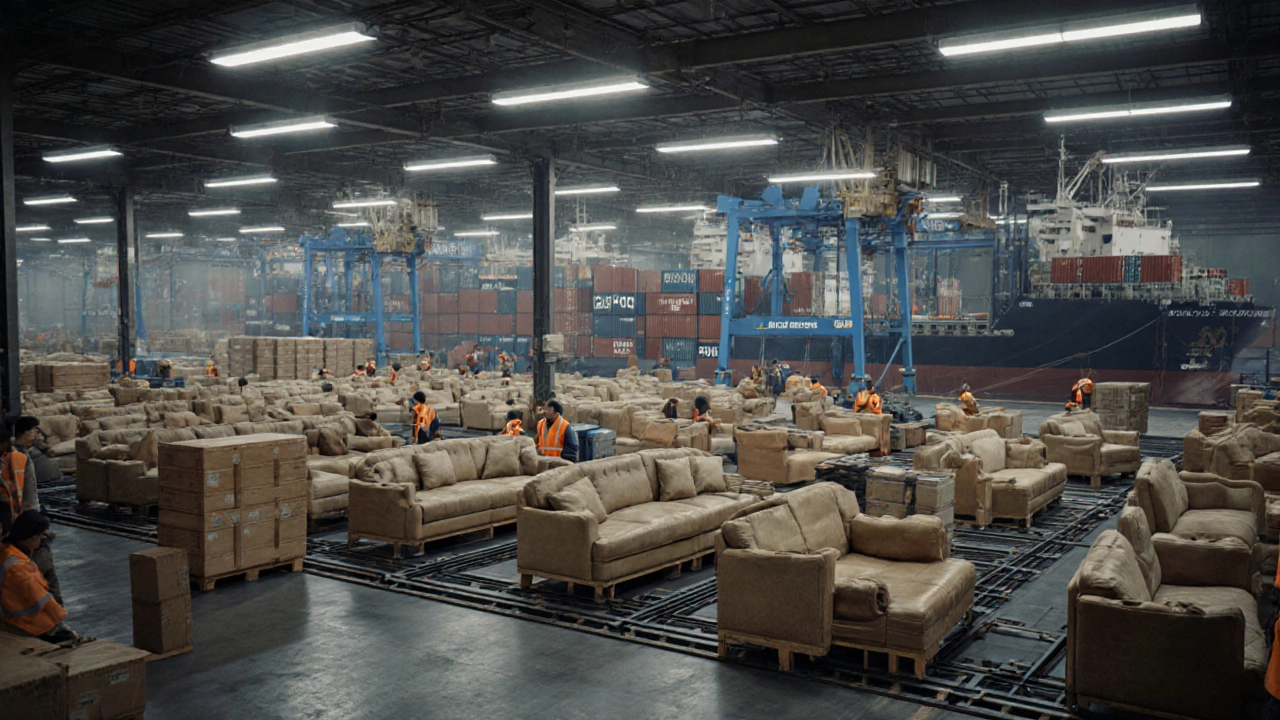
Which Country Sells the Most Furniture? Top Exporters and Why India Is Rising Fast
China leads the world in furniture exports with over $70 billion in 2024, but India is rising fast with handcrafted wooden pieces. Discover who else dominates the global market and why sourcing is changing.
Furniture Manufacturing
Latest Posts




Tags
- manufacturing
- small scale manufacturing
- plastic manufacturing
- plastic pollution
- India
- food processing
- textile industry
- government schemes
- electronics manufacturing
- small business
- steel manufacturing
- startup ideas
- production
- textile manufacturers India
- manufacturing business ideas
- business ideas
- chemical manufacturers India
- electronics manufacturing India
- steel manufacturing plants
- plastic manufacturers