Food Technology Education: Learn How Food Is Made, Preserved, and Improved
When you eat a pack of instant noodles, a carton of yogurt, or a shelf-stable curry, you’re consuming the result of food technology education, the practical application of science to make food safer, longer-lasting, and more consistent. Also known as food science, it’s not about fancy labs or PhDs—it’s about turning raw ingredients into products you can trust every day. This field doesn’t just study taste—it solves real problems: How do you keep milk from spoiling in a country with unreliable power? How do you make a plant-based burger that actually tastes like meat? How do you package snacks so they don’t get crushed during transport across India’s rough roads?
Behind every packaged food product are food processing, the step-by-step operations that clean, mix, heat, dry, and seal food for sale. These aren’t magic tricks—they’re seven basic unit operations: cleaning, mixing, separation, heating, drying, size reduction, and packaging. Every time you open a packet of instant soup or a pouch of baby food, you’re seeing these steps in action. And it’s not just big companies doing this. Small manufacturers across India are using low-cost, locally adapted versions of these same techniques to make high-margin products from simple ingredients.
Nutrition science, the study of how food affects the human body is part of this too. But food technology doesn’t stop at vitamins and calories. It’s about how texture, color, and smell influence what people choose to eat. That’s why your favorite snack has that perfect crunch, or why your breakfast cereal stays crispy even in milk. These aren’t accidents—they’re designed using sensory evaluation, a key part of food technology education.
India’s food manufacturing scene is growing fast. From Gujarat’s spice processing units to Tamil Nadu’s ready-to-eat meal startups, local innovators are using affordable tech to compete with global brands. You don’t need a billion-dollar factory to make a difference. A small batch of dried fruit snacks, properly packaged and labeled, can become a profitable business. That’s the power of food technology education—it turns basic knowledge into real, scalable products.
What you’ll find below are real examples of how food science works in practice—from the science behind why bread rises to how Indian manufacturers are cutting waste and boosting shelf life. No theory without application. No jargon without clarity. Just the facts you need to understand what’s in your food—and how to make it better.
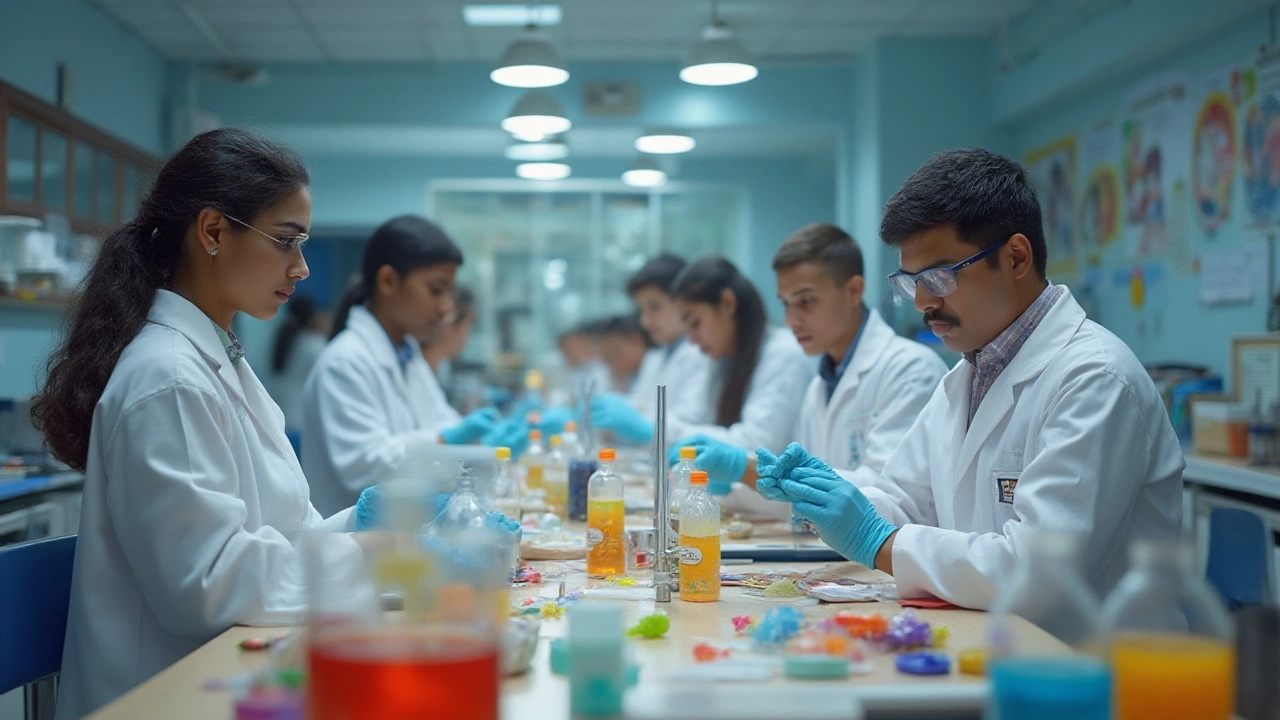
Is Food Science Major Hard? What to Expect from Food Science Degree Programs
Wondering if food science is a hard major? Get an inside look at its challenges, coursework, and career opportunities. Candid insights for curious students.
Food Processing
Latest Posts


Tags
- manufacturing
- small scale manufacturing
- plastic manufacturing
- India
- plastic pollution
- food processing
- textile industry
- government schemes
- electronics manufacturing
- small business
- steel manufacturing
- startup ideas
- production
- textile manufacturers India
- manufacturing business ideas
- business ideas
- chemical manufacturers India
- electronics manufacturing India
- steel manufacturing plants
- manufacturing business