Food Science: How Manufacturing Turns Ingredients Into Safe, Shelf-Stable Products
When you open a packet of instant noodles, a jar of pickles, or a carton of milk, you’re not just eating food—you’re consuming the result of food science, the application of biology, chemistry, and engineering to make food safe, nutritious, and shelf-stable. Also known as food technology, it’s what keeps your pantry stocked and your meals consistent, no matter the season. This isn’t magic. It’s a series of precise, repeatable steps called unit operations, the core physical and chemical processes used in food manufacturing—like cleaning, mixing, heating, drying, and packaging—that turn raw crops and livestock into products you can trust.
Every step matters. If you skip proper food preservation, methods that prevent spoilage and harmful bacteria from growing, even the freshest ingredients can turn dangerous. Pasteurization, vacuum sealing, controlled drying—these aren’t just industry jargon. They’re the reason your peanut butter doesn’t mold in six weeks, or why your frozen peas still taste like they were picked yesterday. In India, where heat and humidity speed up spoilage, food science isn’t optional—it’s survival. Companies from small village processors to big brands like Nestlé and ITC rely on these principles to reach millions.
What you won’t see on the label? The engineers testing pH levels, the microbiologists checking for pathogens, the packaging designers choosing materials that block moisture and oxygen. All of it ties back to food science. And it’s not just about safety. It’s about taste, texture, cost, and speed. The same science that lets you buy ready-to-eat dal in a pouch also helps farmers reduce waste by turning surplus produce into dried powders or canned sauces. In places like Gujarat and Punjab, where agriculture is huge, food manufacturing is becoming a major job creator—and a key part of India’s export push.
You’ll find posts here that break down the exact seven unit operations used in every processed food. You’ll see how drying mangoes in the sun differs from industrial dehydration. You’ll learn why some foods need preservatives and others don’t. And you’ll see how Indian manufacturers are using low-cost, high-efficiency methods to compete globally. This isn’t about fancy labs in Silicon Valley. It’s about real factories in small towns, using simple tech to solve big problems. If you’ve ever wondered how your food gets from farm to shelf without rotting, you’re in the right place.
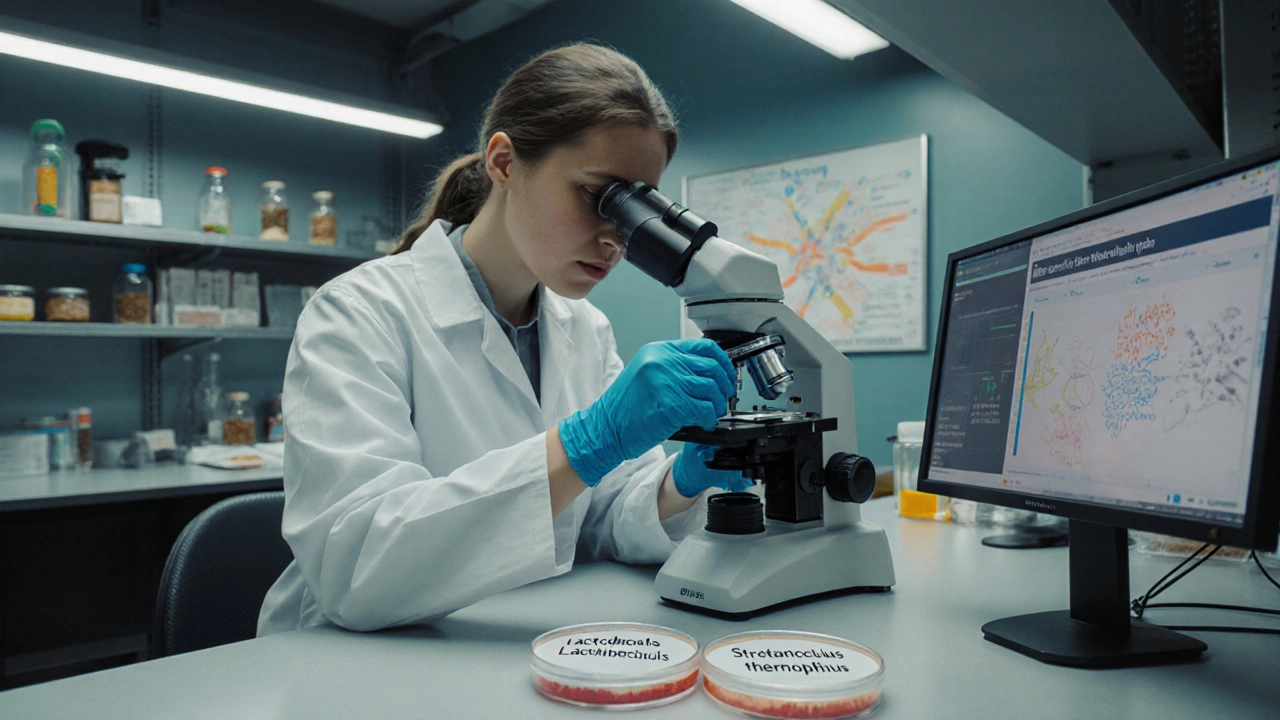
What Is the Science of Eating Called? Understanding Food Science and How It Shapes What We Consume
Food science is the study of how food is made, preserved, and processed. It explains everything from why your bread rises to how plant-based meats mimic real meat. Learn how this science shapes what you eat every day.
Food Processing
Latest Posts





Tags
- manufacturing
- small scale manufacturing
- plastic manufacturing
- plastic pollution
- India
- food processing
- textile industry
- government schemes
- electronics manufacturing
- small business
- steel manufacturing
- startup ideas
- production
- textile manufacturers India
- manufacturing business ideas
- business ideas
- chemical manufacturers India
- electronics manufacturing India
- steel manufacturing plants
- plastic manufacturers