Food Processing in India: Trends, Tools, and Top Opportunities
When you think of food processing, the transformation of raw agricultural products into packaged, shelf-stable goods for consumers. Also known as food manufacturing, it’s one of the fastest-growing sectors in India’s industrial economy. It’s not just about canning fruits or packing snacks. Food processing turns wheat into flour, milk into cheese, sugarcane into refined sugar, and fresh vegetables into frozen meals—all while creating jobs, reducing waste, and boosting exports. India produces more than 300 million tons of agricultural output every year, but less than 10% of it gets processed. That gap? It’s where the real money is.
What makes food processing in India different today? It’s not just scale—it’s food processing equipment, machines and systems that automate washing, cutting, cooking, sealing, and sterilizing food. From small units in Gujarat using semi-automatic fillers to giant plants in Maharashtra with fully automated packaging lines, the tech is getting smarter and cheaper. And it’s not just big companies. A farmer in Punjab can now buy a $2,000 vacuum sealer and turn his excess tomatoes into sauce sold in local stores. That’s the power of accessible tech.
Then there’s food safety, the rules and standards that keep processed food clean, uncontaminated, and legally compliant. India’s FSSAI has tightened rules in the last five years, and now even small processors need licenses, hygiene certificates, and traceability systems. This isn’t red tape—it’s a filter. Buyers overseas want proof. Buyers at home want trust. If you’re making pickles, snacks, or packaged juice, your label isn’t just branding—it’s your legal shield.
And don’t forget food export India, the growing market for Indian processed foods abroad, from spices to ready-to-eat meals. Countries like the US, UAE, and UK are importing more Indian snacks, frozen vegetables, and ready-to-cook mixes. Why? Because quality is up, prices are competitive, and Indian flavors are trending. A small unit in Andhra Pradesh now ships masala noodles to Canada. A family-run spice mill in Kerala exports blended powders to Germany. These aren’t exceptions—they’re becoming the norm.
What you’ll find in the posts below isn’t theory. It’s real. People who turned leftover mangoes into jam. Factories that cut waste by 40% with simple automation. Exporters who cracked the EU market without a big budget. You’ll see which states are pushing hardest for food processing growth, what equipment actually works for small budgets, and how to avoid the traps that sink 8 out of 10 new food businesses. No fluff. Just what you need to know if you’re making, selling, or investing in food in India.
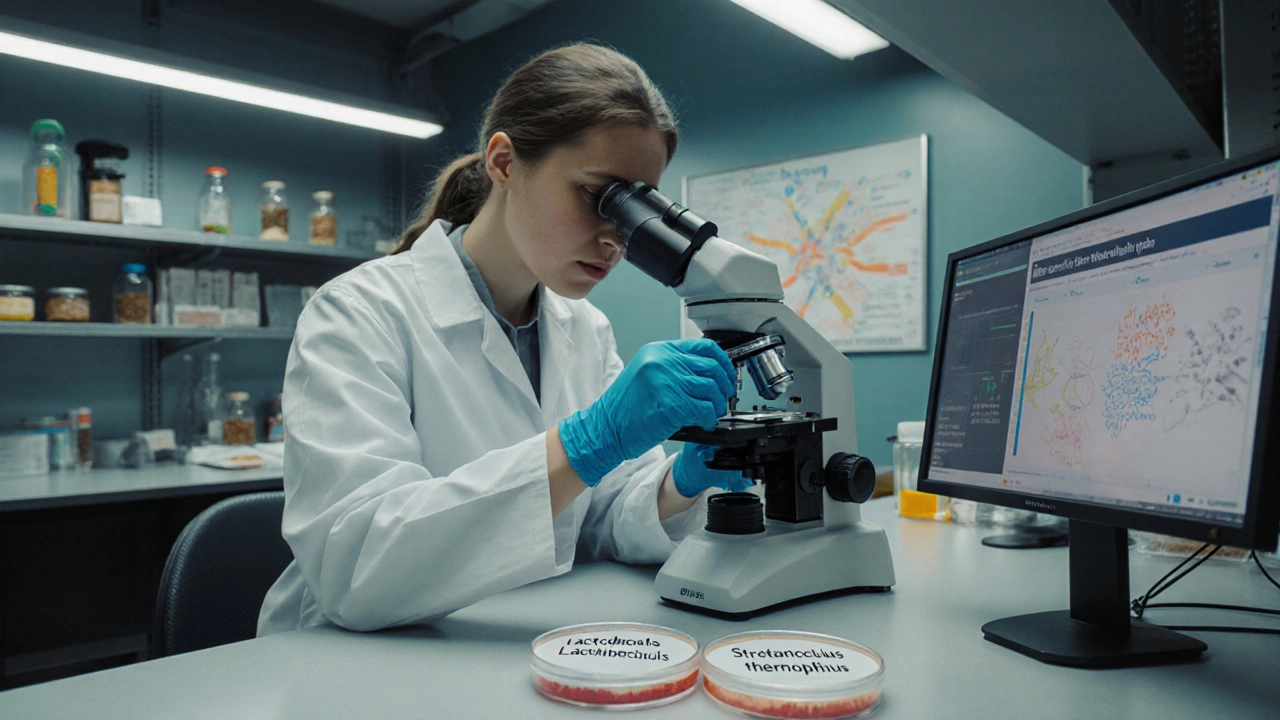
What Is the Science of Eating Called? Understanding Food Science and How It Shapes What We Consume
Food science is the study of how food is made, preserved, and processed. It explains everything from why your bread rises to how plant-based meats mimic real meat. Learn how this science shapes what you eat every day.
Food Processing
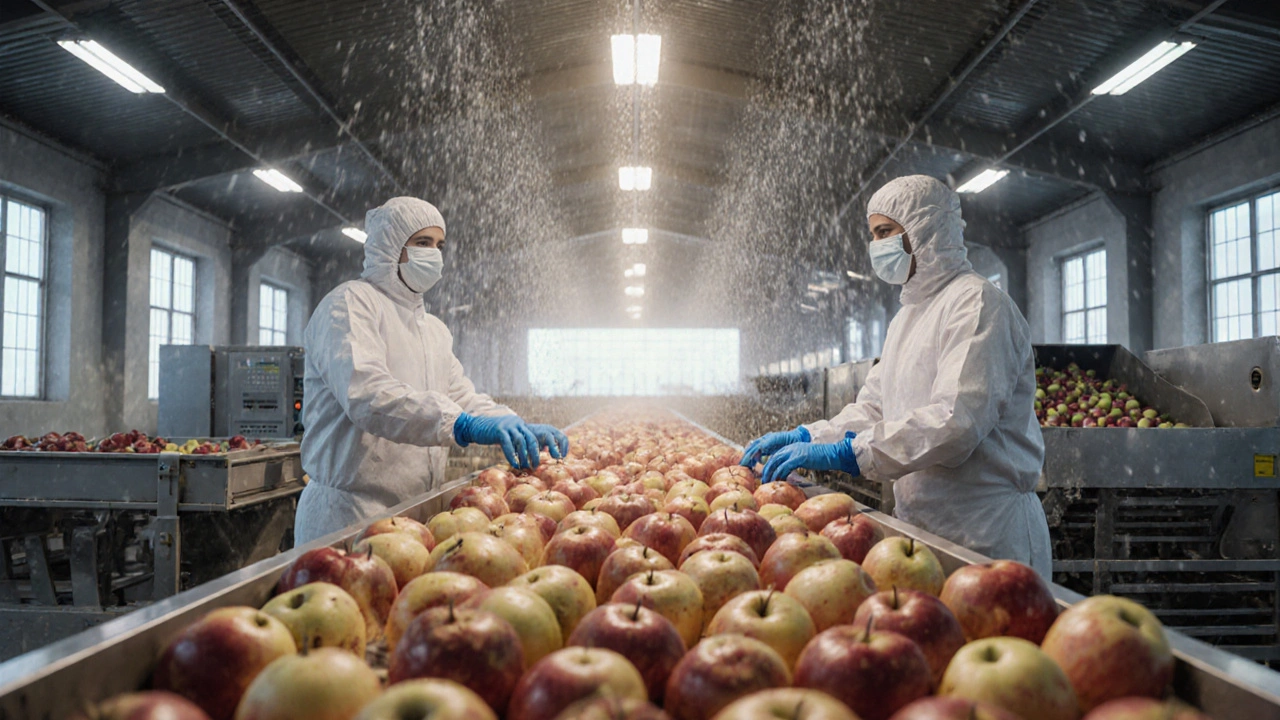
What Are the Basic Unit Operations in Food Processing?
Learn the seven basic unit operations in food processing-cleaning, mixing, separation, heating, drying, size reduction, and packaging-that turn raw ingredients into safe, shelf-stable food products.
Food Processing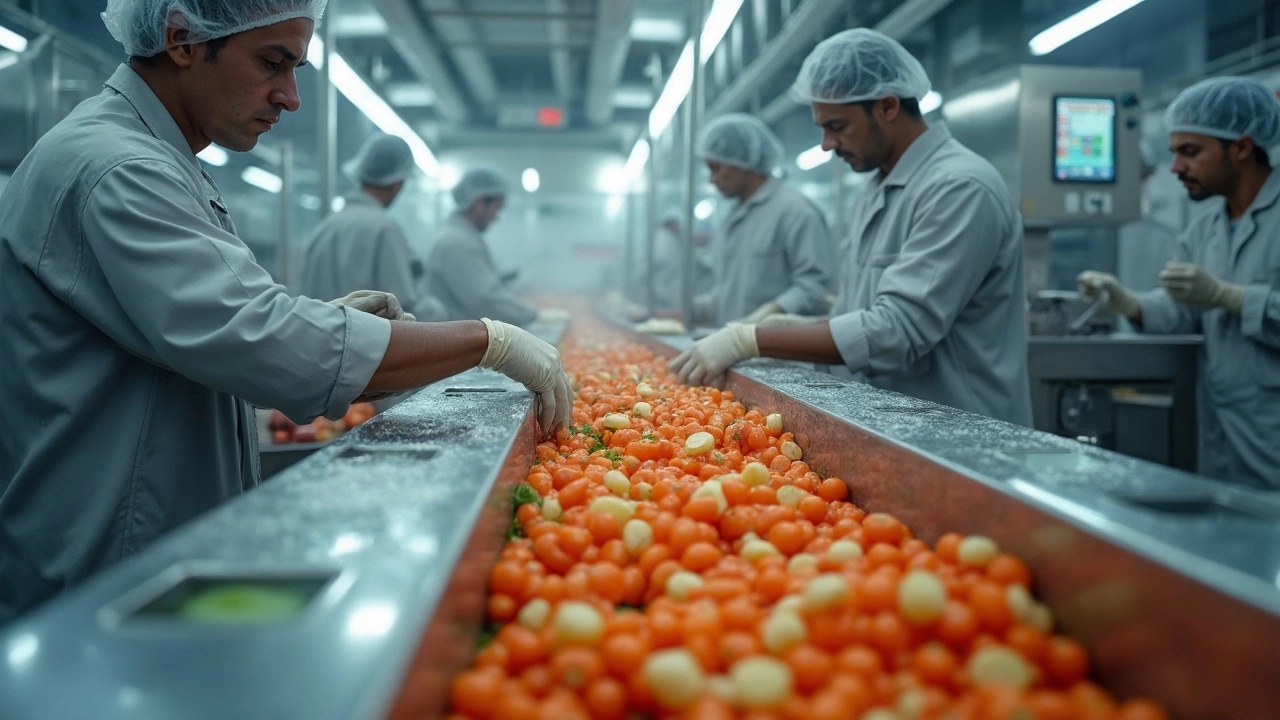
Unit Operations of Food Processing: What Actually Happens in the Plant?
Curious what's really happening inside a food processing plant? This article breaks down the key unit operations, step by step. From how raw ingredients get cleaned to how they're turned into the snacks you find on your shelf, everything is covered with simple examples. Dive into the basics and pick up real tips on making food safer, tastier, and longer-lasting. It's practical, jargon-free, and perfect for anyone who wants to know how their food is made.
Food Processing
Are Eggs Processed Food? Understanding Your Daily Breakfast
Eggs are an essential staple in many cuisines, which raises an important question: are they processed food? This article breaks down what 'processed food' means and how eggs fit into that category. We'll explore how eggs are handled before reaching your kitchen and whether those steps count as processing. Readers will also discover some tips on choosing and storing eggs, ensuring they stay fresh longer.
Food Processing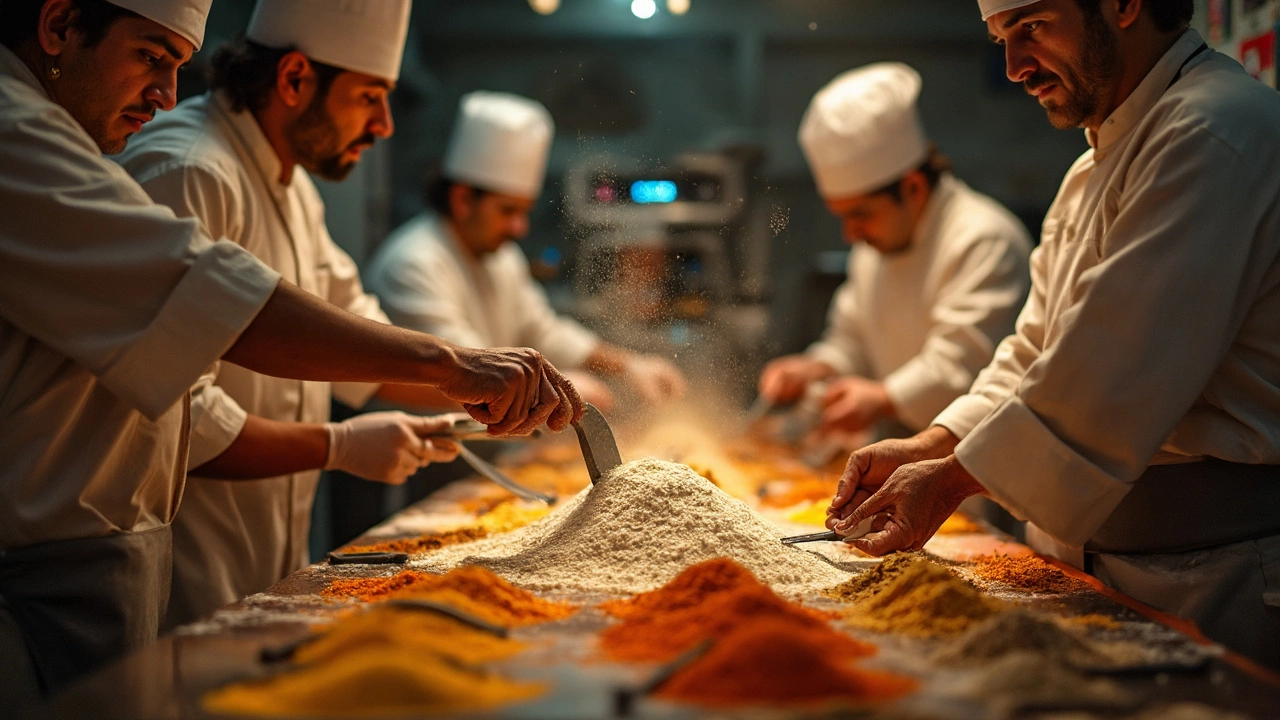
Understanding μm in Food Processing: The Basics and Beyond
In food processing, precision is key. The unit μm, or micrometer, plays a crucial role in determining the quality and texture of food products. This article dives into what a μm stands for, its importance in the industry, and offers practical tips for better understanding its application. From grinding flour to creating smooth sauces, the micrometer ensures consistency and excellence in food production.
Food ProcessingLatest Posts




Tags
- manufacturing
- small scale manufacturing
- plastic manufacturing
- India
- plastic pollution
- food processing
- textile industry
- government schemes
- electronics manufacturing
- small business
- steel manufacturing
- startup ideas
- production
- textile manufacturers India
- manufacturing business ideas
- business ideas
- chemical manufacturers India
- electronics manufacturing India
- steel manufacturing plants
- manufacturing business