Electronics Export Regulations: What You Need to Know for India
When you ship electronics out of India, you're not just sending a box—you're navigating a web of rules called electronics export regulations, the legal framework governing how electronic goods leave India, including licensing, testing, and documentation requirements. Also known as electronic goods export rules, these rules ensure products meet international safety, environmental, and labeling standards. If you skip even one step, your shipment gets held, fined, or sent back. This isn’t about bureaucracy—it’s about getting paid on time and keeping your business running.
These regulations tie directly to electronics manufacturing in India, the growing sector producing smartphones, components, and home appliances for global markets. As India pushes to become a global electronics hub, the government has rolled out incentives like the Production Linked Incentive (PLI) scheme. But with those incentives come stricter checks. Your product must pass BIS certification, include correct Harmonized System (HS) codes, and carry proper country-of-origin labeling. Missing any of these? You’ll face delays at customs, even if your product is perfect.
Exporting also means dealing with export documentation, the paperwork that proves your goods are legal, safe, and ready for international trade. This includes the shipping bill, invoice, packing list, certificate of origin, and sometimes a test report from an approved lab. For electronics, the most common trap is forgetting the RoHS compliance statement—this proves your device doesn’t contain banned heavy metals like lead or mercury. Buyers in the EU, US, and UK ask for this upfront. If you don’t have it, they won’t pay.
It’s not just about the product. It’s about who you’re selling to. Different countries have different rules. The US requires FCC certification for wireless devices. The EU needs CE marking. Australia has its own ACMA standards. You can’t use the same paperwork for every market. That’s why many Indian manufacturers start small—shipping to one country first, learning the rules, then expanding. There’s no shortcut. But there is a path: know your product, know your market, and know your paperwork.
What you’ll find below are real examples from Indian manufacturers who’ve been through this. Some got it right on the first try. Others lost thousands because they assumed one rule applied everywhere. These posts break down exactly what worked, what failed, and how to avoid the same mistakes. Whether you’re shipping circuit boards, smart home gadgets, or chargers, the lessons here are practical, not theoretical. No fluff. Just what you need to get your electronics out of India—and into customers’ hands—without delays.
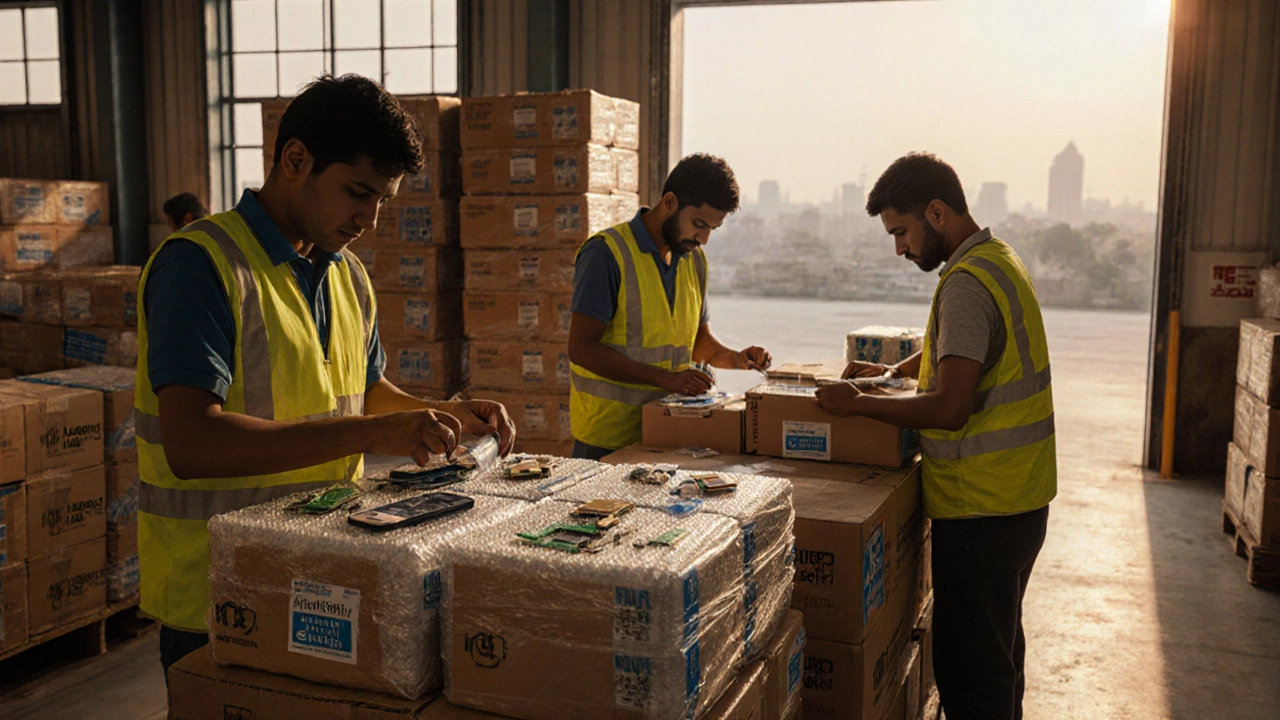
Shipping Electronics from India to the USA: Rules, Docs & Tips
Learn how to legally ship electronics from India to the USA, covering licenses, documentation, HS codes, shipping methods, and common compliance pitfalls.
Electronics Manufacturing
Latest Posts




Tags
- manufacturing
- small scale manufacturing
- plastic manufacturing
- plastic pollution
- India
- food processing
- textile industry
- government schemes
- electronics manufacturing
- small business
- steel manufacturing
- startup ideas
- production
- textile manufacturers India
- manufacturing business ideas
- business ideas
- chemical manufacturers India
- electronics manufacturing India
- steel manufacturing plants
- plastic manufacturers