Cotton Demand India: Why It's Rising and Who’s Driving It
When you think of cotton demand India, the growing need for raw cotton within India’s textile and apparel manufacturing sector. Also known as Indian cotton consumption, it’s not just about farmers growing fibers—it’s about factories, exporters, and policy changes shaping the entire supply chain. India isn’t just a big producer of cotton; it’s now the world’s second-largest consumer, and that demand is climbing every year. While China used to dominate global cotton buying, Indian mills are snapping up more local cotton than ever before, thanks to cheaper labor, government incentives, and a push to reduce imports.
This shift isn’t random. The Gujarat textile policy 2024, a state-level initiative offering subsidies, tax breaks, and infrastructure support to textile manufacturers is pulling companies into the state like a magnet. Gujarat alone accounts for nearly 40% of India’s textile output, and its policy is designed to lock in cotton demand for the next decade. Meanwhile, the Indian textile industry, a sector that employs over 45 million people and contributes nearly 2% to India’s GDP is finally getting the attention it deserves. Export orders from the U.S., Europe, and Southeast Asia are pushing domestic mills to ramp up production—and that means they need more raw cotton, not less.
It’s not just big factories driving this. Small weavers, home-based tailors, and even startups making organic cotton clothing are adding pressure to the system. With global brands like H&M and Zara shifting production to India to cut costs and meet sustainability targets, cotton isn’t just a crop anymore—it’s a strategic resource. The government knows this too. That’s why they’re investing in better seed quality, water-efficient farming, and direct farmer-to-mill linkages to cut out middlemen and stabilize prices.
What you’ll find in the posts below isn’t just theory. It’s real data on who’s buying, where cotton is being processed, how policies are changing the game, and which states are winning the race. You’ll see how cotton demand ties into bigger trends like manufacturing growth, export potential, and even chemical use in dyeing and finishing. This isn’t about agriculture alone—it’s about India’s industrial future, stitched together thread by thread.
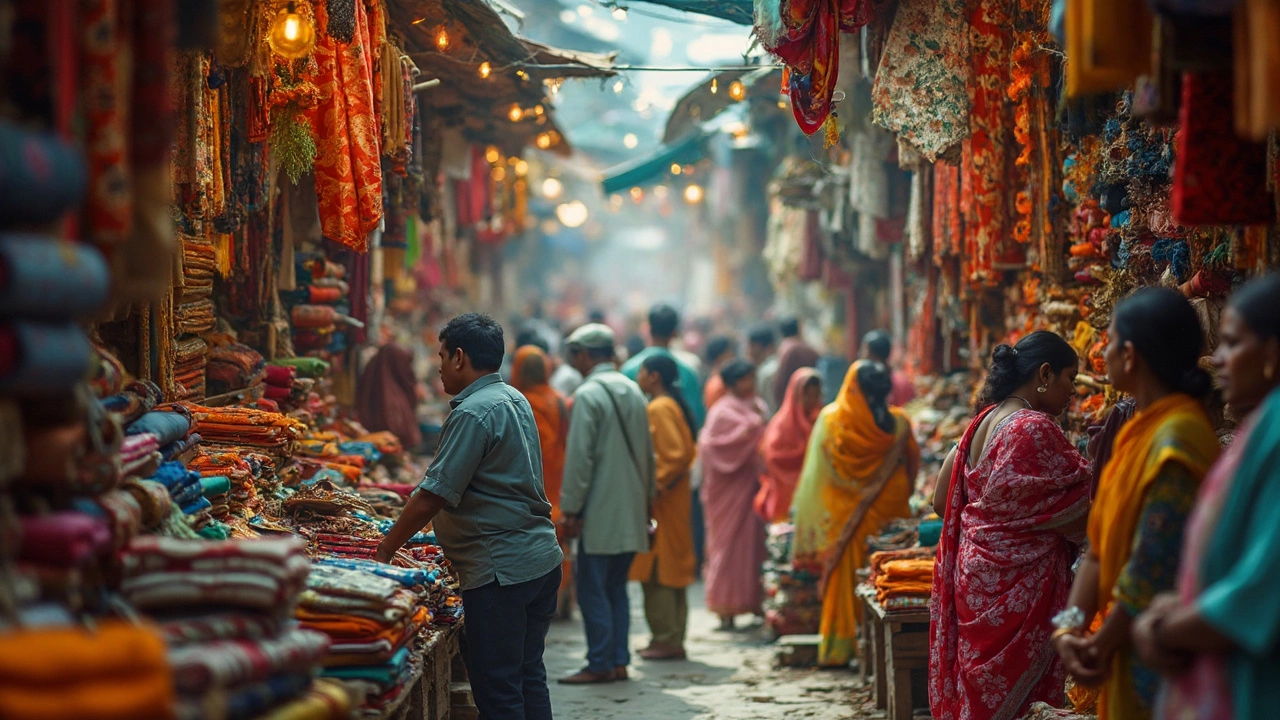
Most Demanding Cloth in India: What Textile Manufacturers Need to Know
India’s textile industry is huge, but not all fabrics are equally popular. This article breaks down which type of cloth leads the demand charts, backed by real numbers and everyday examples. You’ll see how climate, fashion, and exports shape these patterns. Learn what makes a fabric a crowd favorite, and find practical takeaways for anyone involved in textiles. If you’re curious about what works in India’s colorful cloth market, this guide answers it straight.
Textile Manufacturing
Latest Posts



Tags
- manufacturing
- small scale manufacturing
- plastic manufacturing
- plastic pollution
- India
- food processing
- textile industry
- government schemes
- electronics manufacturing
- small business
- steel manufacturing
- startup ideas
- production
- textile manufacturers India
- manufacturing business ideas
- business ideas
- chemical manufacturers India
- electronics manufacturing India
- steel manufacturing plants
- plastic manufacturers