
Explore U.S. Manufacturing Sectors
Click on a sector card below to reveal where it's made in the U.S. and why it stays domestic.
Aerospace & Defense
Pharmaceuticals
Semiconductors
Food Processing
Heavy Machinery
Clothing
Where is it made?
Why does it stay here?
You’ve heard the phrase a thousand times: "Nothing is made in America anymore." It’s the go-to complaint at dinner parties, on social media threads, and in political debates. You look around your house-the TV from China, the shoes from Vietnam, the clothes from Bangladesh-and it feels like the factories have all vanished. But here’s the twist: that narrative is only half true. While we certainly don’t make *everything* domestically, the United States remains one of the largest manufacturing economies in the world. In fact, if you strip away the consumer electronics and fast fashion, you’ll find that American soil still churns out massive amounts of high-value goods.
So, what is actually being manufactured in the U.S. today? And why does it feel like everything has moved overseas? Let’s break down the reality behind the headlines, looking at specific industries, the role of government incentives, and where the real production lines are humming along right now.
The Myth of Total Offshoring
To understand what is left, we first need to address what was lost. Between 1970 and 2000, the U.S. saw a significant drop in manufacturing jobs due to automation and globalization. Companies moved assembly lines to countries with lower labor costs. This created a visible void in many Rust Belt towns. However, job loss doesn’t always equal output loss. Thanks to advanced robotics and efficiency gains, U.S. manufacturing output has actually grown significantly since 2000, even as employment numbers fluctuated.
In 2025, the U.S. accounted for roughly 16% of global manufacturing output, trailing only China but leading the European Union and Japan combined in certain high-tech sectors. We aren't making low-margin plastic toys or basic t-shirts because the economics don't work. Instead, we’ve shifted toward high-complexity, high-value goods. Think less "assembly line worker" and more "engineer overseeing automated systems."
What Is Actually Made in the USA?
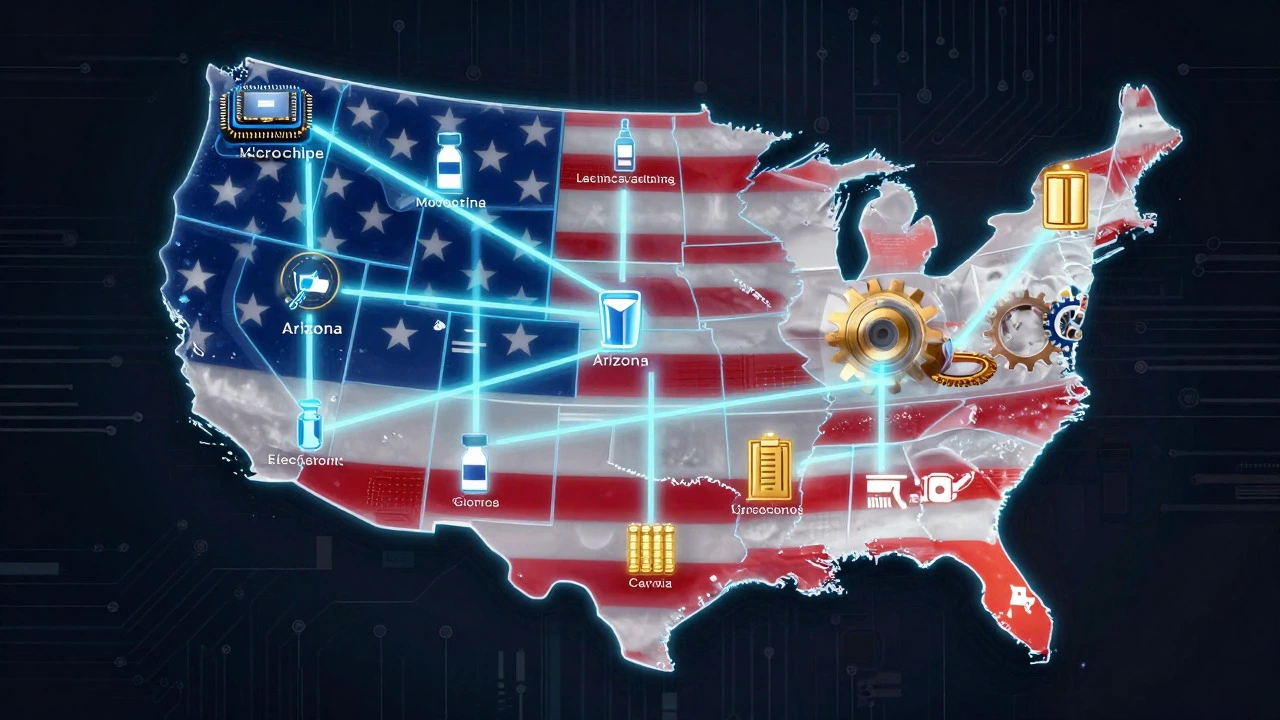
If you walk into a modern American factory, you won’t see rows of people stitching denim. You’ll see precision machinery building jet engines, pharmaceutical compounds, and semiconductors. Here are the key sectors where U.S. manufacturing is thriving:
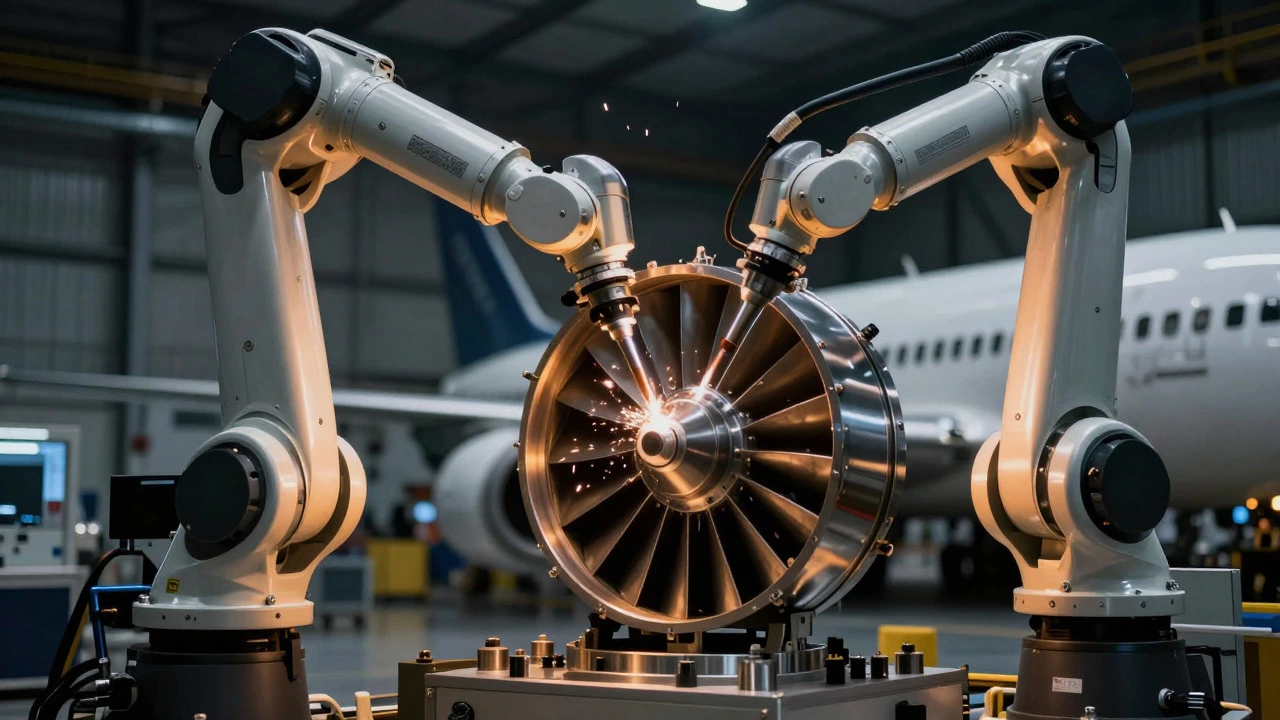
- Aerospace and Defense: The U.S. dominates this sector. Companies like Boeing (despite its recent struggles) and Lockheed Martin produce aircraft, satellites, and defense systems primarily in states like Washington, Texas, and California. The supply chain for these complex machines requires strict quality control and security, keeping them largely domestic.
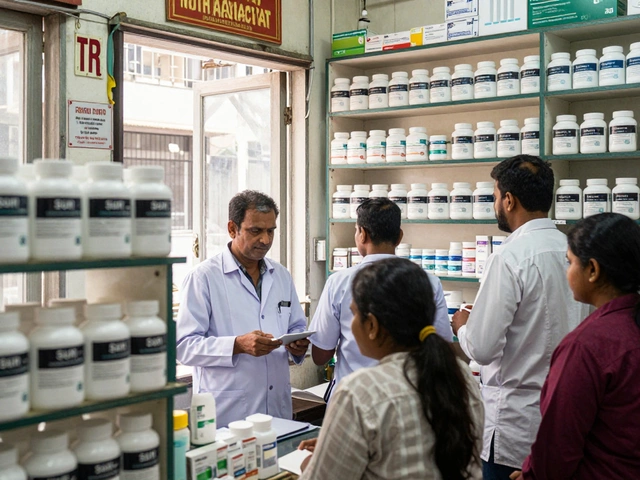
- Pharmaceuticals: While some active ingredients come from abroad, the final formulation, packaging, and distribution of most prescription drugs happen in the U.S. States like New Jersey and North Carolina are hubs for this industry. The FDA’s stringent regulations act as a barrier to entry for foreign competitors, protecting domestic producers.
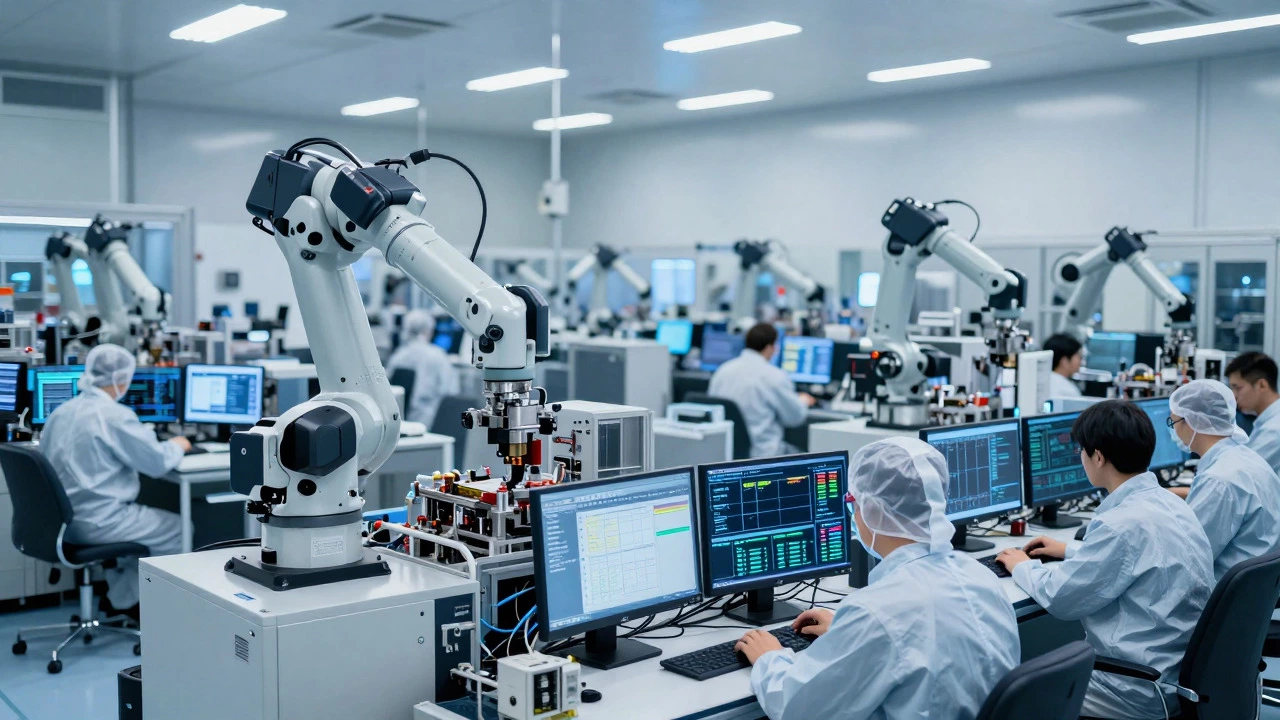
- Semiconductors and Electronics: For decades, chip fabrication was concentrated in Asia. However, recent years have seen a massive shift. With the construction of new fabs by Intel, TSMC, and Samsung in Arizona, Ohio, and New York, the U.S. is rapidly rebuilding its semiconductor manufacturing base. These chips power everything from cars to smartphones.
- Food and Beverage Processing: This is often overlooked. From cheese in Wisconsin to beer in Colorado and processed meats in Iowa, the U.S. produces a vast majority of its own food products. This sector employs millions and relies heavily on local agricultural inputs.
- Machinery and Industrial Equipment: The machines that build other things are often made here. Caterpillar in Illinois and John Deere in Iowa manufacture heavy equipment that powers global infrastructure projects.
The Role of Government Schemes in Reshoring
Why the sudden interest in bringing manufacturing back? It’s not just nostalgia; it’s national security and economic stability. Recent global disruptions-from pandemics to trade wars-highlighted the risks of relying too heavily on foreign supply chains. In response, the U.S. government has rolled out aggressive government schemes designed to incentivize domestic production.
The most prominent of these is the CHIPS and Science Act. Passed in 2022, this legislation provides billions of dollars in subsidies and tax credits to companies that build semiconductor factories in the U.S. The goal is clear: reduce dependence on Asian suppliers for critical technology. Similarly, the Inflation Reduction Act offers tax breaks for electric vehicle manufacturers who source materials and components from North America. These policies are directly influencing where companies decide to invest their capital.
| Policy Name | Primary Focus | Key Incentive | Target Industry |
|---|---|---|---|
| CHIPS and Science Act | Semiconductor Production | $52 billion in grants/loans | Tech/Electronics |
| Inflation Reduction Act | Clean Energy & EVs | Tax credits for domestic sourcing | Automotive/Energy |
| Buy American Act | Federal Procurement | Preference for U.S.-made goods | Infrastructure/Steel |
These schemes aren’t just throwing money at problems. They’re creating a financial reason for companies to stay or return. For example, when Tesla announced its Gigafactory expansions, part of the decision matrix included access to these federal incentives. It’s a strategic move to rebuild industrial capacity that had eroded over thirty years.
The Reality of "Made in USA" Labels
As a consumer, you might wonder if the label means anything. The Federal Trade Commission (FTC) defines "Made in USA" strictly. For an unqualified claim (just saying "Made in USA"), the product must be "all or virtually all" made in the U.S. This means virtually all significant parts and processing must be domestic. If there’s any foreign content, the company must qualify the claim, such as "Assembled in USA from imported parts."
This distinction matters. A laptop labeled "Designed in California, Assembled in China" tells a different story than one labeled "Made in USA." Understanding these labels helps you support domestic industries if that’s your goal. However, be wary of vague terms like "American Brand," which implies ownership rather than production location.
Challenges Facing Domestic Production
Despite the resurgence, challenges remain. Labor shortages are a major hurdle. Many younger workers view factory jobs as outdated or undesirable, preferring service-sector roles. Retraining programs are essential but slow. Additionally, energy costs, while competitive in some regions, can be higher than in countries with subsidized utilities. Regulatory compliance also adds complexity and cost, particularly in industries like pharmaceuticals and chemicals.
Yet, automation is helping bridge the gap. Modern factories require fewer workers but more skilled technicians. The rise of vocational training and community college partnerships with manufacturers is beginning to address this skills mismatch. Cities like Detroit and Pittsburgh are transforming into tech-forward manufacturing hubs, attracting young talent interested in robotics and AI-driven production.
Where Do We Go From Here?
The question isn’t whether anything is manufactured in the U.S. anymore-it’s what kind of manufacturing we prioritize. The future lies in smart manufacturing, where digital twins, IoT sensors, and AI optimize production lines. This approach reduces waste, increases speed, and allows for mass customization, something offshore mass-production models struggle with.
For entrepreneurs and investors, this shift opens new doors. Small-scale manufacturing, enabled by 3D printing and flexible automation, is becoming viable again. Localized production reduces shipping times and carbon footprints, appealing to eco-conscious consumers. Government schemes will likely continue to evolve, focusing on green tech, biotech, and advanced materials.
So, the next time someone says nothing is made in America, you can correct them. Yes, your cheap phone case might be from overseas. But the insulin saving your life, the plane taking you to vacation, and the microchip running your car were very likely born on American soil. The nature of work has changed, but the engine of American industry is still running strong.
Is it true that no clothing is made in the USA?
Not entirely true. While most fast fashion is imported, niche brands and specialty apparel (like military uniforms, firefighter gear, and high-end denim) are still produced in the U.S., particularly in states like North Carolina and California. The volume is lower, but the quality and ethical standards are often higher.
How do government schemes affect small manufacturers?
Large corporations benefit most from direct subsidies, but small manufacturers gain indirectly through strengthened supply chains. When big companies reshore, they often need local suppliers for parts and logistics, creating opportunities for smaller businesses. Additionally, state-level grants and SBA loans provide targeted support for SMEs.
Which states are the top manufacturing hubs today?
California leads in total output due to tech and aerospace. Michigan remains strong in automotive. Texas excels in energy-related manufacturing and chemicals. Ohio, Pennsylvania, and Illinois are core industrial states with diverse bases including steel, machinery, and food processing.
Will automation eliminate all remaining manufacturing jobs?
Automation replaces repetitive tasks, not entire jobs. It shifts the demand from manual labor to technical skills. Roles in maintenance, programming, quality assurance, and logistics are growing. The challenge is retraining the workforce, not job elimination per se.
Can I verify if a product is truly made in the USA?
Yes. Look for the FTC-compliant "Made in USA" label without qualifiers. You can also check the manufacturer’s website for transparency reports or contact customer service. Third-party certifications like "Made in USA Certified" by the Made in USA Foundation offer additional verification.