
Manufacturing Profit Margin Calculator
Calculate your true net profit margin for high-margin manufacturing products like jewelry, candles, or custom packaging.
You don't need a massive factory or millions in venture capital to build a profitable manufacturing business. In fact, some of the highest profit margins in the industry come from items that require minimal raw materials and simple production processes. If you are looking to start a manufacturing venture in 2026, the question isn't just "what can I make?" but rather "what item has the biggest profit margin?"
The answer often surprises people. It’s not usually complex electronics or heavy machinery. The real money is in lightweight, high-perceived-value goods where the cost of goods sold (COGS) is incredibly low compared to the retail price. We’re talking about margins exceeding 50%, and in some niche cases, hitting 80% or more.
Why Margins Matter More Than Revenue in Small-Scale Manufacturing
Many aspiring entrepreneurs chase revenue. They want to sell thousands of units. But if your margin is thin, selling more just means working harder for less profit. High-margin products allow you to survive on lower volume. This is crucial for startups because it reduces inventory risk and cash flow pressure.
When we talk about profit margin, we mean net profit divided by revenue. A product that costs £1 to make and sells for £10 has a 90% gross margin. After operational costs, you might still keep 50%. Compare that to a commodity item like bottled water, where the margin might be 20-30% after packaging, logistics, and retail cuts. For a small manufacturer, that difference is the gap between staying alive and going bankrupt.
| Product Category | Avg. Gross Margin | Barrier to Entry | Key Success Factor |
|---|---|---|---|
| Jewelry & Accessories | 70% - 90% | Low | Design & Branding |
| Candles & Soaps | 50% - 70% | Low | Scent & Packaging |
| Packaging Solutions | 40% - 60% | Medium | B2B Contracts |
| Custom Electronics Cases | 30% - 50% | Medium | Precision & Speed |
| Food Supplements | 40% - 60% | High (Regulatory) | Trust & Certification |
The Crown Jewel: Jewelry and Personal Accessories
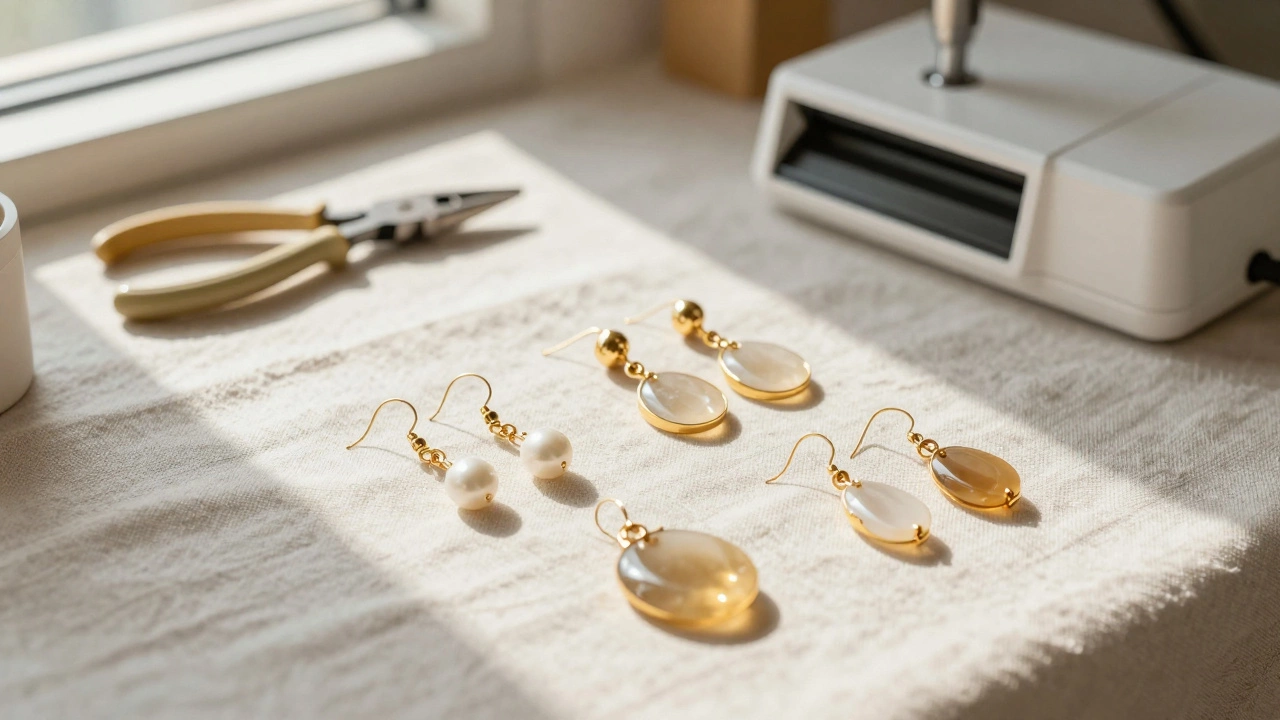
If there is one category that consistently tops the list for highest profit margins, it is jewelry. Specifically, fashion jewelry made from base metals, glass, or resin. The raw material cost for a pair of earrings can be as low as £0.50. With proper branding and packaging, those same earrings can sell for £15 to £25 online.
This isn't limited to gold and diamonds. The trend in 2026 is towards personalized, sustainable, and unique designs. You can use simple tools like laser engravers or even hand-finishing techniques to add value. The perceived value of jewelry is tied to emotion and aesthetics, not just the weight of the metal. This emotional connection allows you to charge a premium.
Another high-margin accessory is phone cases. While the market is crowded, niche customization saves you. Think of cases for specific professions (doctors, nurses) or hobbies (gamers, hikers). A blank case costs pennies. Printing a custom design adds negligible cost. Selling it for £20 gives you an enormous buffer for marketing and shipping.
Scent and Touch: Candles and Artisanal Soaps
Candles and soaps are classic examples of low-cost, high-margin manufacturing. Wax, wicks, and fragrance oils are commodities available in bulk at low prices. A large jar candle might cost £2.50 to produce including the jar and label. Retailing at £15-£20 is standard for artisanal brands.
The key here is differentiation. You cannot compete with mass-market brands on price. You must compete on experience. This means unique scents (like "Old Library Books" or "Rain on Asphalt"), eco-friendly packaging, and beautiful aesthetics. Social media platforms like Instagram and TikTok drive huge demand for visually appealing home goods.
Soaps follow a similar logic. Cold-process soap making requires basic ingredients: oils, lye, and essential oils. The labor involved in cutting, curing, and wrapping adds significant perceived value. Handmade soap can easily achieve 60%+ margins when sold directly to consumers via Etsy or your own website.

B2B Opportunity: Custom Packaging and Labels
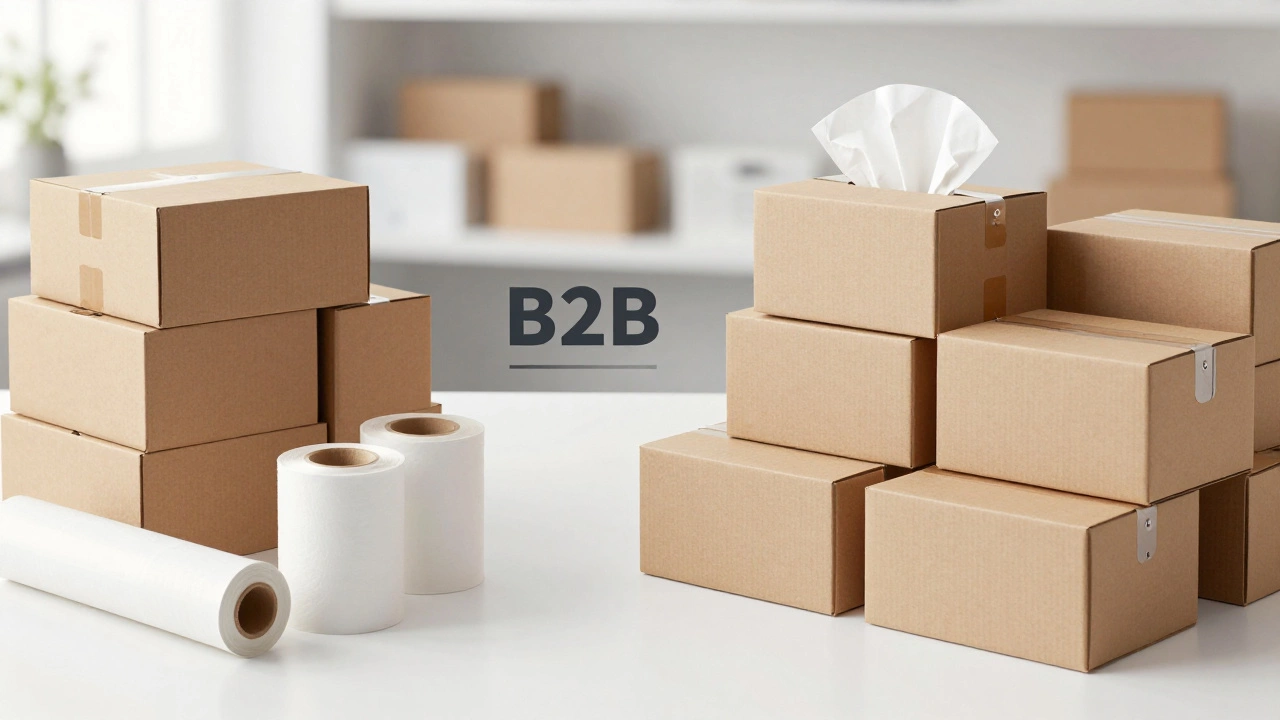
While consumer goods get all the attention, B2B (business-to-business) manufacturing often offers more stable, high-margin opportunities. Every e-commerce business needs packaging. Every food brand needs labels. If you set up a small-scale operation for custom boxes, mailers, or stickers, you can secure recurring revenue.
Custom packaging is no longer just about protection; it's about unboxing experiences. Brands pay a premium for rigid boxes, magnetic closures, and branded tissue paper. The raw material cost for a cardboard box is low. The value you provide is convenience and brand alignment. Margins of 40-50% are common if you can negotiate good rates with paper suppliers and minimize waste.
Labels are even easier to start. A digital printer and a laminator can handle small batches. Food, beverage, and cosmetic companies constantly need new labels for seasonal promotions. By offering quick turnaround times, you become indispensable to these businesses.
Niche Electronics: Prototyping and Enclosures
Electronics manufacturing sounds expensive, but you don't have to build the chips. The big opportunity lies in the physical housing and assembly for IoT (Internet of Things) devices. Many tech startups need small batches of enclosures for their prototypes or early production runs.
Using 3D printing or injection molding for small runs, you can create durable, professional-looking cases. The plastic material is cheap. The value is in the design precision and the ability to deliver quickly. Margins here are typically 30-50%, which is healthy for a hardware-related business.
Additionally, assembling simple electronic kits-like LED light strips or smart home sensors-can be profitable. Buying components in bulk from Asia and assembling them locally with quality control checks adds value. Customers pay for reliability and local support, allowing you to mark up the final product significantly.
How to Calculate Your Real Profit Margin
Before you start manufacturing, you must calculate your true costs. Many beginners forget hidden expenses. Here is the formula you need to master:
Net Profit Margin = ((Selling Price - Total COGS - Operating Expenses) / Selling Price) * 100
- Direct Materials: Raw materials used in the product.
- Direct Labor: Wages for workers directly involved in production.
- Overhead: Rent, utilities, equipment depreciation.
- Packaging: Boxes, labels, inserts.
- Shipping: Costs to get the product to the customer.
- Marketing: Cost per acquisition (CPA).
If you sell a candle for £20, and it costs £5 to make, pack, and ship, your gross profit is £15. But if you spend £8 on Facebook ads to get that sale, your net profit is only £7. Your net margin is 35%. Always factor in marketing costs. High-margin products can absorb higher marketing costs, giving you room to grow.
Common Pitfalls That Kill Margins
Even the best product idea can fail if you ignore these common traps:
- Underpricing: Don't race to the bottom. Competing on price destroys margins. Compete on quality, story, and service.
- Inventory Waste: Overproducing leads to dead stock. Start with pre-orders or small batches to test demand.
- Ignoring Shipping Costs: Heavy or bulky items kill profits due to freight charges. Stick to lightweight, compact items initially.
- Poor Supplier Negotiation: Always buy in bulk when possible. A 10% discount on raw materials goes straight to your bottom line.
Next Steps for Aspiring Manufacturers
Start small. Choose one high-margin product category. Create a minimum viable product (MVP). Test it with a small audience. Measure your conversion rates and customer feedback. Once you have a proven model, scale up gradually. Remember, the goal is not just to make something, but to make something that people love enough to pay a premium for.
What is the easiest manufacturing business to start with high margins?
Candle making and handmade soap are among the easiest to start. They require minimal equipment, low initial investment, and have high perceived value. You can begin in a home kitchen and scale up as demand grows.
Can I make a living manufacturing jewelry?
Yes, jewelry has some of the highest profit margins in manufacturing. However, success depends heavily on design uniqueness and effective marketing. Building a strong brand identity is crucial to justify higher prices.
Is custom packaging a profitable business?
Custom packaging is highly profitable, especially in the B2B sector. E-commerce businesses are willing to pay a premium for branded unboxing experiences. Margins can range from 40% to 60% depending on order volume and complexity.
What are the biggest risks in high-margin manufacturing?
The main risks are overproduction leading to inventory waste and underestimating marketing costs. High-margin products often require significant investment in branding and customer acquisition. Also, competition can increase, forcing you to innovate continuously.
Do I need a factory to start a manufacturing business?
No, many high-margin manufacturing businesses can start from a garage or home office. Products like candles, soaps, jewelry, and custom packaging require minimal space. You can outsource complex steps later as you grow.