Textile Industry India: How It Works, Who Leads, and What’s Changing
When you think of textile industry India, the massive network of mills, handloom weavers, and export hubs that make fabrics, clothes, and home textiles for global markets. Also known as Indian cotton and silk manufacturing, it employs over 45 million people and contributes nearly 2% to India’s GDP. This isn’t just about looms and yarn—it’s a living system shaped by state policies, global demand, and decades of tradition meeting modern tech.
The Gujarat textile policy 2024, a set of government incentives designed to boost local manufacturing, attract investment, and modernize small units is one big reason why Gujarat now leads India in textile output. It offers subsidies for machinery upgrades, tax breaks for exporters, and training programs for workers. Meanwhile, states like Tamil Nadu and Maharashtra aren’t far behind, each with their own clusters of spinning mills, dyeing units, and garment factories. The textile exports India, the billions of dollars in fabrics and garments shipped overseas every year are mostly going to the U.S., the U.K., and the UAE—not just because of low labor costs, but because Indian mills now produce high-quality, consistent goods that meet international standards.
What’s changing fast? Automation is creeping into small factories that used to rely on handlooms. Designers are working directly with weavers to create niche products for global brands. And sustainability is no longer a buzzword—it’s a requirement. Buyers now ask: Is this fabric organic? Was it dyed with toxic chemicals? Did the workers get fair pay? The textile manufacturers India, the thousands of businesses, from family-run units to large corporate mills, that turn fiber into finished goods are adapting. Some are switching to solar-powered looms. Others are using digital platforms to connect directly with overseas buyers, cutting out middlemen.
You’ll find posts here that break down how a single cotton bale becomes a shirt sold in London. You’ll see which states are winning the manufacturing race. You’ll learn what the Gujarat policy actually means for a small workshop owner. And you’ll get real examples of how Indian textile makers are beating global competitors—not by being cheaper, but by being smarter, faster, and more reliable.
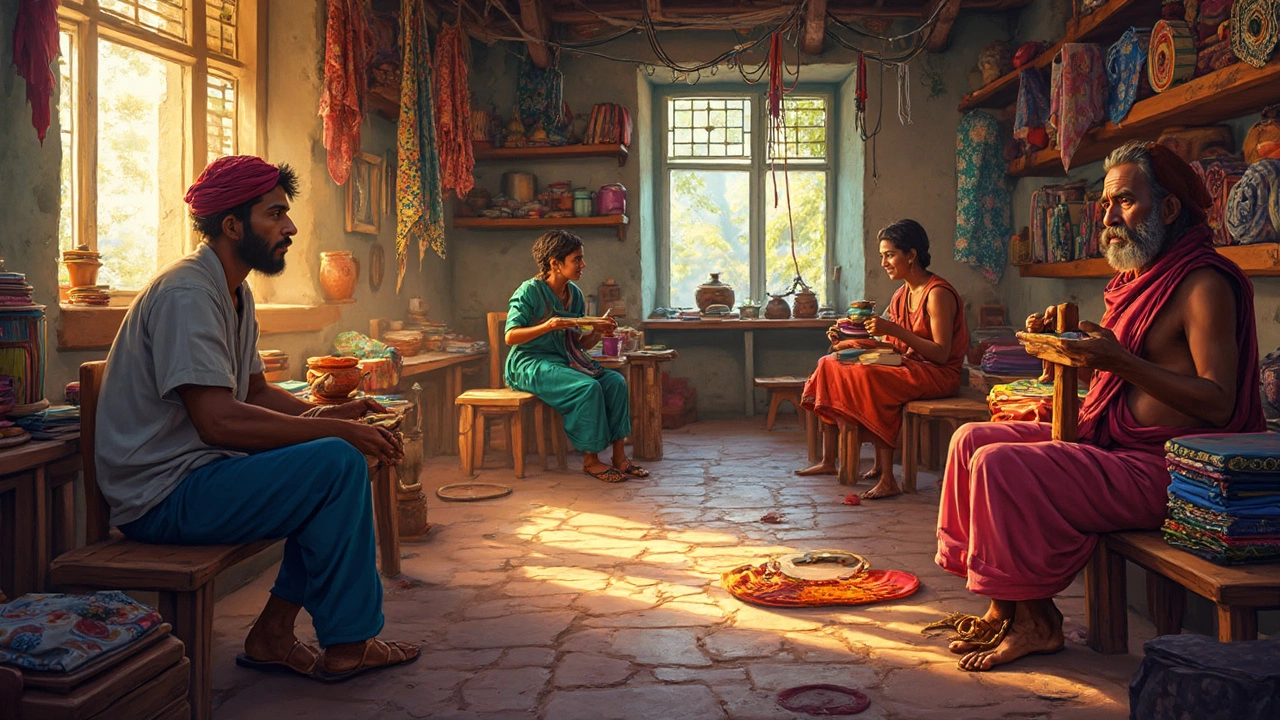
How Profitable is the Textile Business in India?
The textile business in India holds significant profit potential due to its large domestic consumer base, low production costs, and established global export market. With innovative advancements and sustainable practices, it attracts diverse entrepreneurs. The sector benefits from government support and digital retail expansion, presenting opportunities for growth. This article delves into profitability, challenges, and strategies for success within India's textile industry.
Textile Manufacturing
Latest Posts




Tags
- manufacturing
- small scale manufacturing
- plastic manufacturing
- India
- plastic pollution
- food processing
- textile industry
- government schemes
- electronics manufacturing
- small business
- steel manufacturing
- startup ideas
- production
- textile manufacturers India
- manufacturing business ideas
- business ideas
- chemical manufacturers India
- electronics manufacturing India
- steel manufacturing plants
- manufacturing business