Textile Business in India: How It Works, Who Wins, and Where to Start
When you think of a textile business, a manufacturing sector that turns raw fibers into fabric, clothing, and home goods. Also known as fabric production, it’s one of the oldest and still one of the most alive industries in India, employing over 45 million people and contributing nearly 2% to the country’s GDP. Unlike tech startups that need coding skills and venture cash, a textile business can start with a sewing machine, a roll of cotton, and a local market. You don’t need a factory. You don’t need a warehouse. You just need to make something people want to wear or use.
What makes India’s textile business different? It’s not just about cheap labor. It’s about Gujarat textile policy 2024, a government plan that gives tax breaks, subsidies, and training to small makers. This policy isn’t just paperwork—it’s real money for people who stitch, dye, or weave. And it’s not just Gujarat. States like Tamil Nadu and Maharashtra are building clusters where dozens of small units supply fabric to big brands. These aren’t big factories. They’re homes, sheds, and small workshops where families work together, often using machines passed down for generations. The real winners? Not the corporations. It’s the local maker who can turn scrap fabric into a trendy tote bag, or hand-block print a shirt and sell it online for 10x the cost of materials.
And here’s the truth most guides won’t tell you: the textile business isn’t dying—it’s splitting. On one side, you’ve got mass-produced fast fashion, mostly exported. On the other, you’ve got handmade, slow-made goods—eco-friendly, unique, and sold locally or through Instagram. The gap between them is where the profit is. A small business in Surat can buy leftover silk from a big mill for pennies, turn it into scarves, and sell them for ₹800 each. That’s not luck. That’s strategy. You don’t need to compete with China. You just need to be better at one thing: making something people feel connected to.
There’s no magic formula. No app that automates it. Just three things: know your material, know your customer, and keep making. The posts below show real examples—how someone turned old saris into bags, how a family in Ahmedabad got government support, and why a simple dyeing technique can turn ₹500 of fabric into ₹5,000 in sales. These aren’t big companies. These are people like you, starting small, working smart, and building something real. What you’ll find here isn’t theory. It’s the dirt-under-the-nails truth of how a textile business actually works in India today.
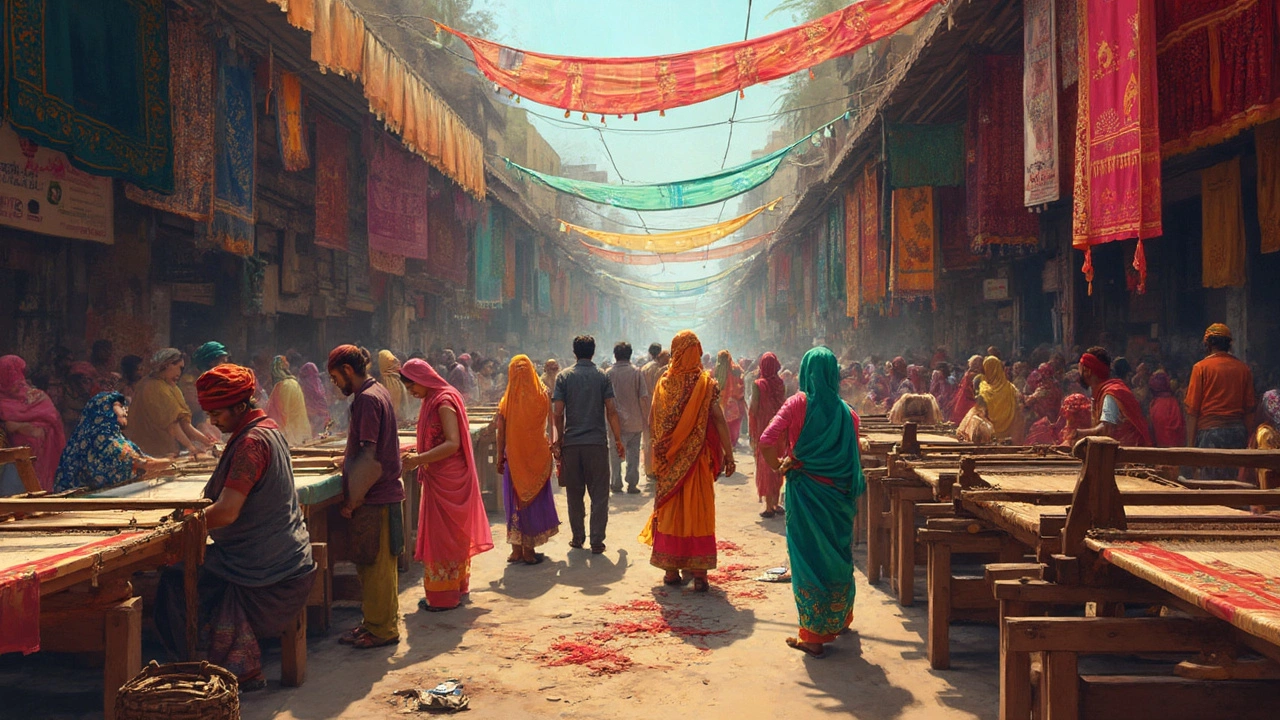
Most Profitable Textile Businesses in India: What You Need to Know
Exploring the most profitable textile businesses in India, this article highlights the key factors that drive success in the industry. It offers insights into various segments within the textile market, from traditional weaving to modern tech-integrated practices. Readers will discover practical tips for entering or expanding in this sector. It also discusses the trends affecting profitability and how to capitalize on them.
Textile Manufacturing
Latest Posts


Tags
- small scale manufacturing
- manufacturing
- plastic pollution
- plastic manufacturing
- India
- chemical manufacturers India
- government schemes
- textile manufacturers India
- electronics manufacturing
- food processing
- steel manufacturing
- textile industry
- small business
- manufacturing business ideas
- plastic waste
- manufacturing business
- startup ideas
- production
- textile manufacturing
- business ideas