Small Manufacturing Businesses: How They Work, Why They Fail, and How to Succeed
When we talk about small manufacturing businesses, independent producers who make physical goods with limited staff and capital, often operating out of small workshops or home setups. Also known as small scale manufacturing, these are the hidden engines behind everyday products—from metal brackets to handwoven textiles—that larger companies rely on. They don’t need huge factories or global supply chains. Just one good machine, a reliable supplier, and someone who knows how to turn raw material into something people actually want to buy.
But here’s the truth most guides won’t tell you: small manufacturing businesses don’t die because their products are bad. They die because no one tracked their cash flow, ignored hidden costs like tool wear or electricity spikes, or refused to write down even basic processes. One owner in Ludhiana made 200 metal hinges a day and turned a profit—until he didn’t. He never recorded how much scrap he wasted, or how long each worker spent on each piece. By the time he realized his margins were shrinking, he was already drowning in debt. That’s the pattern. It’s not about competition. It’s about discipline.
What separates the survivors from the failures? They treat their workshop like a science lab. They measure everything: time, material, output, defects. They don’t wait for a crisis to fix a broken machine—they schedule maintenance before it breaks. And they start small. One product. One customer. One repeat sale. That’s how manufacturing startups, newly launched operations focused on producing tangible goods with minimal upfront investment. Also known as cottage industry, these ventures thrive when they solve a real, local problem succeed. You don’t need a loan to start. You need a notebook, a scale, and the willingness to learn from every mistake.
And it’s not just about making stuff. It’s about understanding who buys it. The textile maker in Surat who switched from selling to big wholesalers to selling directly to local tailors doubled his profit in six months. The metal fabricator in Coimbatore who started offering custom brackets for small auto repair shops landed three steady clients without advertising. These aren’t tech giants. They’re just people who paid attention to what their customers actually needed—and made it easier for them to say yes.
There’s no magic formula. No secret app. No government grant that will save you if you don’t track your numbers. But if you’re willing to show up, measure what matters, and keep improving one small thing at a time, you’re already ahead of 90% of the people who started with the same tools as you. Below, you’ll find real stories from people who made it through the toughest parts—the cash crunches, the failed batches, the quiet moments when they almost gave up. These aren’t success stories. They’re survival stories. And they’re exactly what you need to hear.
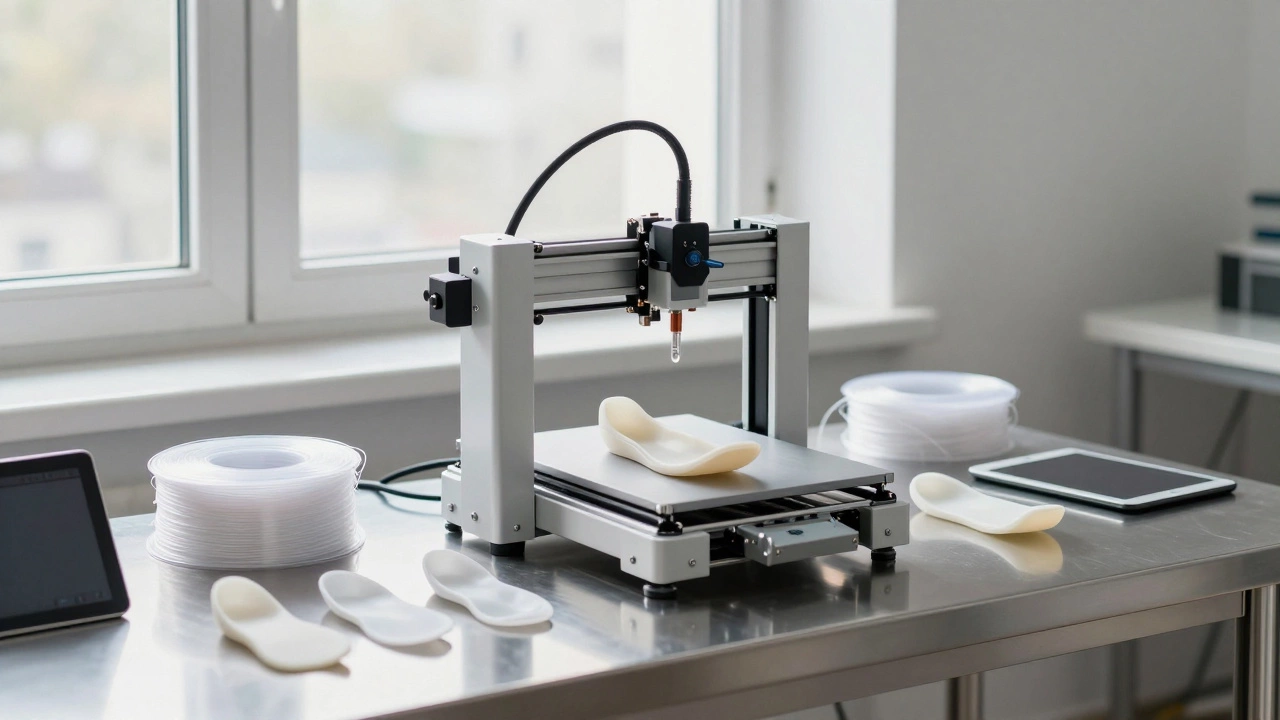
Most Profitable Manufacturing Business Ideas in 2025
Discover the most profitable manufacturing businesses in 2025-small-scale, high-margin niches like medical packaging, EV battery enclosures, and 3D-printed orthotics that outperform mass production.
Manufacturing Business Ideas
Latest Posts





Tags
- manufacturing
- small scale manufacturing
- plastic manufacturing
- India
- plastic pollution
- food processing
- textile industry
- government schemes
- electronics manufacturing
- small business
- steel manufacturing
- startup ideas
- production
- textile manufacturers India
- manufacturing business ideas
- business ideas
- chemical manufacturers India
- electronics manufacturing India
- steel manufacturing plants
- manufacturing business