Processed Food: What It Is, How It’s Made, and Why It Matters
When you buy a bag of frozen veggies, a box of cereal, or a bottle of sauce, you’re holding processed food, any food that has been altered from its natural state for safety, convenience, or shelf life. Also known as manufactured food, it’s not just junk snacks—it’s everything from canned beans to fortified bread, made using techniques that keep it safe, tasty, and ready to eat. This isn’t new. Humans have been processing food for thousands of years—drying, salting, fermenting—but today’s methods are faster, more precise, and driven by science.
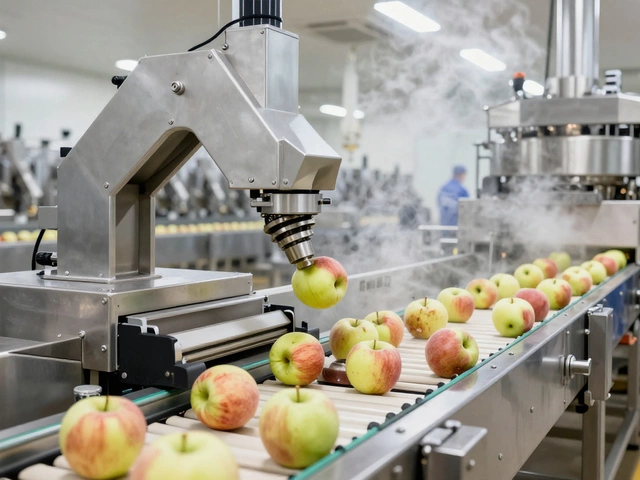
Behind every packaged product are food processing, the series of steps that turn raw ingredients into finished goods. These aren’t magic tricks—they’re called unit operations, basic physical or chemical actions like cleaning, mixing, heating, drying, and packaging. Think of them like LEGO blocks: every processed food is built from the same few steps, just arranged differently. One company might heat and spray-dry milk to make powder. Another might mix flour, sugar, and preservatives, then bake and seal it into a snack bar. The goal? Safety, consistency, and shelf life. And yes, sometimes flavor too.
It’s not just about machines. food science, the study of how ingredients interact, how preservation works, and how taste is engineered drives every decision. Why does your bread rise? Why does plant-based meat taste like beef? That’s food science. And in India, where small manufacturers are starting to make shelf-stable snacks, sauces, and ready-to-eat meals, this science is becoming a game-changer. It’s not about replacing home cooking—it’s about making safe, affordable food available where it’s needed most.
Some people think processed food is bad. But not all processed food is the same. A can of tomatoes with salt and citric acid? That’s processing. A sugary cereal with 20 additives? That’s something else. The difference matters. And if you’re curious about how food gets from farm to shelf, or how small businesses in India are starting to make their own processed goods, you’ll find real examples below. These posts break down the science, the steps, and the stories behind what’s in your pantry—no jargon, no fluff, just how it actually works.
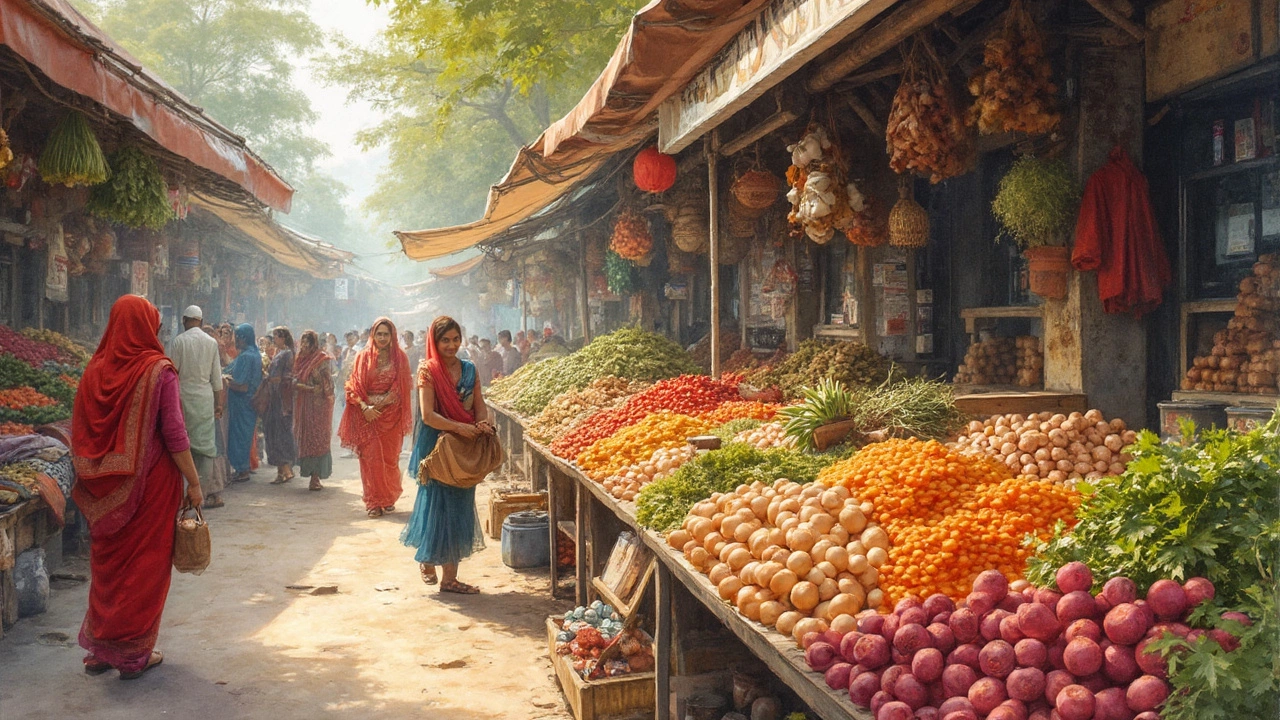
Are Eggs Processed Food? Understanding Your Daily Breakfast
Eggs are an essential staple in many cuisines, which raises an important question: are they processed food? This article breaks down what 'processed food' means and how eggs fit into that category. We'll explore how eggs are handled before reaching your kitchen and whether those steps count as processing. Readers will also discover some tips on choosing and storing eggs, ensuring they stay fresh longer.
Food Processing
Latest Posts
Tags
- manufacturing
- small scale manufacturing
- plastic manufacturing
- plastic pollution
- India
- food processing
- textile industry
- government schemes
- electronics manufacturing
- small business
- steel manufacturing
- startup ideas
- production
- textile manufacturers India
- manufacturing business ideas
- business ideas
- chemical manufacturers India
- electronics manufacturing India
- steel manufacturing plants
- plastic manufacturers