Plastic Waste: How India Is Turning Trash Into Profit
When you think of plastic waste, discarded plastic materials that end up in landfills, rivers, or incinerators. Also known as post-consumer plastic, it's one of the most visible signs of modern consumption. But here’s the twist: what most see as pollution, others see as raw material. Across India, small manufacturers and entrepreneurs are taking plastic waste—bottles, packaging, broken containers—and turning it into bricks, furniture, tiles, and even clothing. This isn’t science fiction. It’s happening in Gujarat workshops, Tamil Nadu garages, and rural cooperatives in Madhya Pradesh.
Plastic waste doesn’t have to be a problem to solve—it can be a product to build. plastic recycling, the process of collecting, sorting, cleaning, and reprocessing plastic into new materials is growing fast, not because of big government programs, but because people are finding ways to make money from it. A single ton of sorted PET bottles can become 800 kilograms of recycled pellets, which then go into making everything from garden chairs to roofing sheets. And you don’t need a factory to start. Many of the most successful operations begin with a hand-crank shredder, a hot press, and a local market that needs affordable, durable goods.
The real shift isn’t just about cleaning up. It’s about rethinking value. waste-to-product, the practice of transforming discarded materials into market-ready goods is becoming a core part of India’s manufacturing identity. You’ll find stories in our collection of people who turned plastic bags into waterproof fabric, or crushed milk packets into flooring tiles that outlast concrete. These aren’t charity projects. They’re businesses. Some earn more than ₹50,000 a month with under ₹20,000 in startup costs. And they’re not waiting for policies to change—they’re making products people actually buy.
What ties these stories together? They all start with the same question: What if this trash could be something else? The answer isn’t always high-tech. Often, it’s simple: grind, melt, mold, sell. And that’s exactly what you’ll find in the posts below—real examples of how ordinary people in India are using plastic waste to build income, jobs, and even entire supply chains. No grand speeches. No perfect systems. Just action, ingenuity, and a pile of discarded plastic that refused to stay useless.
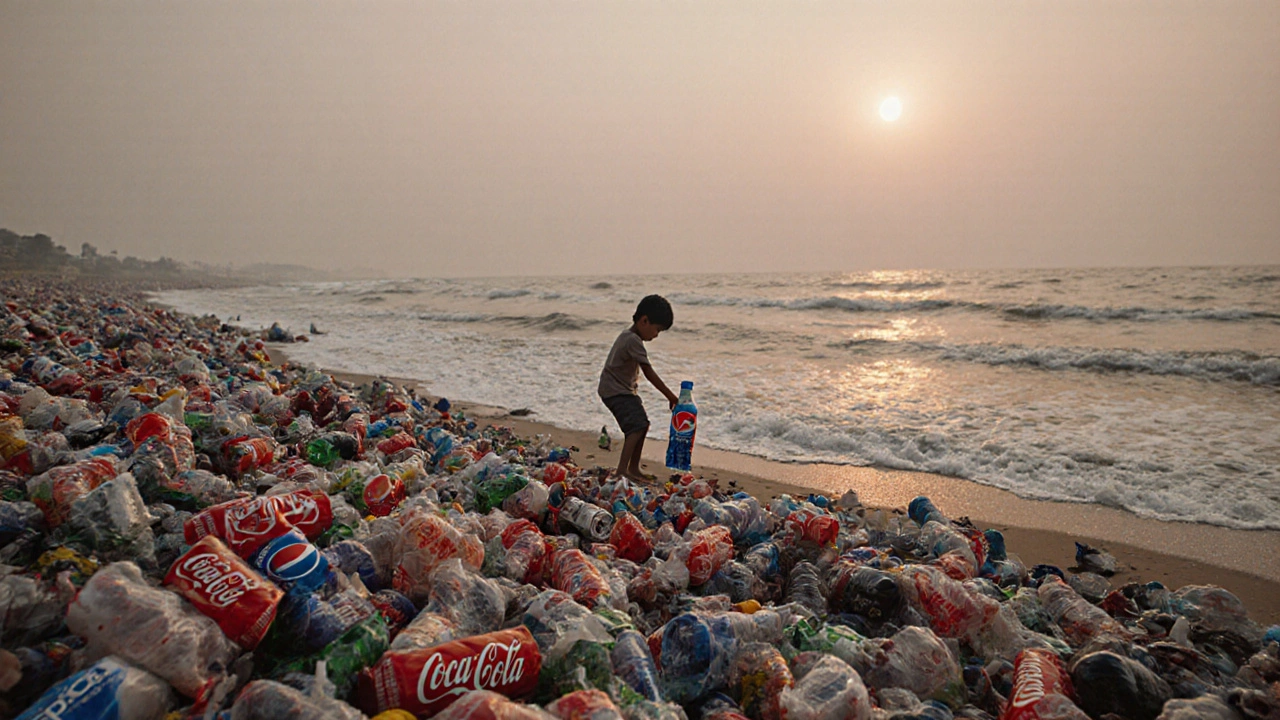
Who Is the Largest Plastic Polluter in the World? Top Companies Behind the Plastic Crisis
Coca-Cola, Nestlé, and PepsiCo are the world's largest plastic polluters, producing billions of single-use packages annually. Despite recycling claims, their plastic waste continues to rise, overwhelming ecosystems and communities worldwide.
Plastic Manufacturing
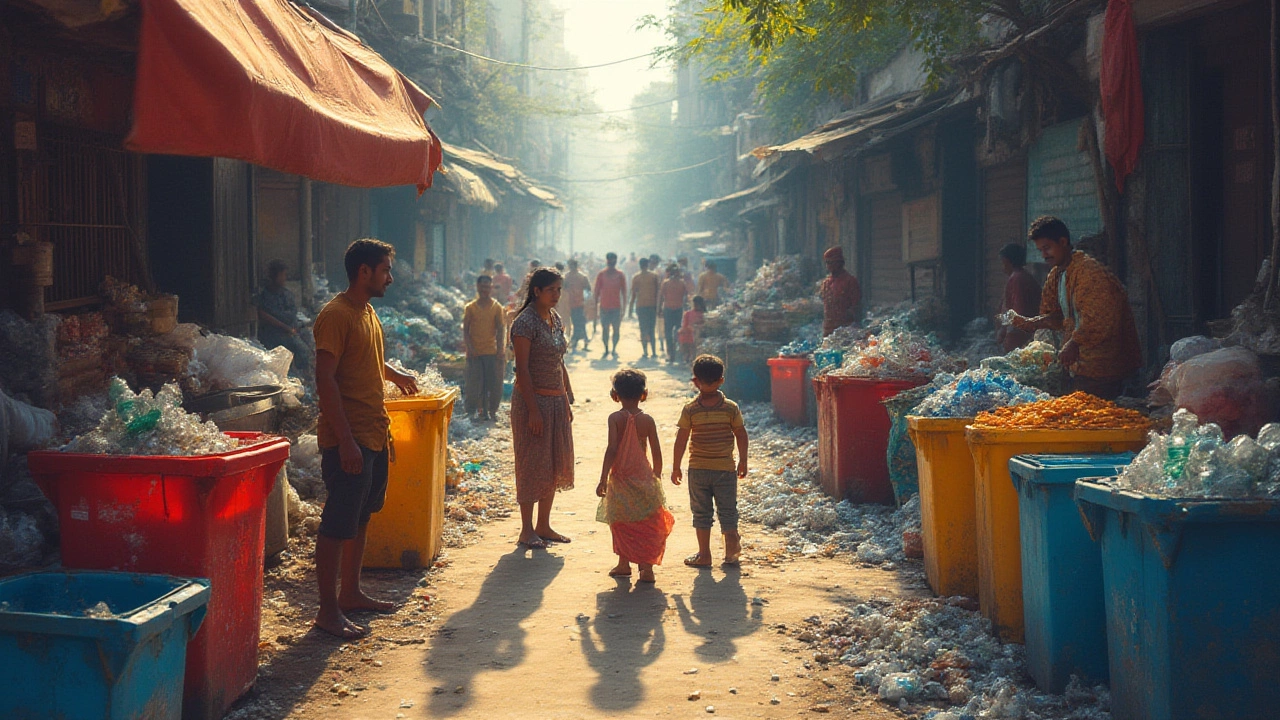
Where Does Used Plastic Go? Understanding Plastic Waste Disposal and Recycling
Find out what really happens to plastic after you use it, exploring recycling, landfill, and pollution—plus tips to reduce your plastic footprint.
Plastic ManufacturingLatest Posts



Tags
- manufacturing
- small scale manufacturing
- plastic manufacturing
- India
- plastic pollution
- food processing
- textile industry
- government schemes
- electronics manufacturing
- small business
- steel manufacturing
- startup ideas
- production
- textile manufacturers India
- manufacturing business ideas
- business ideas
- chemical manufacturers India
- electronics manufacturing India
- steel manufacturing plants
- manufacturing business