Methanol Market India: Trends, Uses, and Why It's Growing Fast
When you think of fuel, you probably picture gasoline or diesel. But methanol, a simple alcohol-based liquid fuel made from natural gas, coal, or biomass. Also known as wood alcohol, it's quietly becoming one of India’s most important industrial chemicals. Unlike gasoline, methanol burns cleaner, produces fewer emissions, and can be made from local resources—making it a smart fit for India’s push toward cleaner energy and self-reliance.
India’s methanol market isn’t just about fuel. It’s a key ingredient in making formaldehyde, which goes into plastics, adhesives, and plywood. It’s used in antifreeze, solvents, and even in some pharmaceuticals. Gujarat and Maharashtra lead production, thanks to their strong chemical clusters and access to feedstock like natural gas. The government is pushing methanol blending in petrol—starting with a 5% mix in some states—to cut oil imports and reduce pollution. By 2030, India could be using over 10 million tons of methanol a year, up from just 2 million today.
What’s driving this change? Three things: cheaper domestic production, stricter emission rules, and new policies that reward green fuels. Companies like GAIL, Indian Oil, and Reliance are investing heavily in methanol plants. Even small manufacturers are exploring methanol-based products—from cleaning agents to biofuels—because the raw material is becoming more affordable. The price of methanol in India now swings with global oil prices, but local production is helping stabilize it.
There’s still a gap. Most methanol today comes from imported natural gas or coal. But India’s got big plans to use biomass, waste, and even captured CO2 to make green methanol. That’s where innovation kicks in. If you’re running a small manufacturing business, methanol could be your next low-cost raw material for paints, resins, or disinfectants. It’s not just for big plants anymore.
Below, you’ll find real examples of how Indian manufacturers are using methanol, what’s changing in pricing, and which states are leading the charge. No fluff. Just facts, trends, and practical insights from people working in the field.
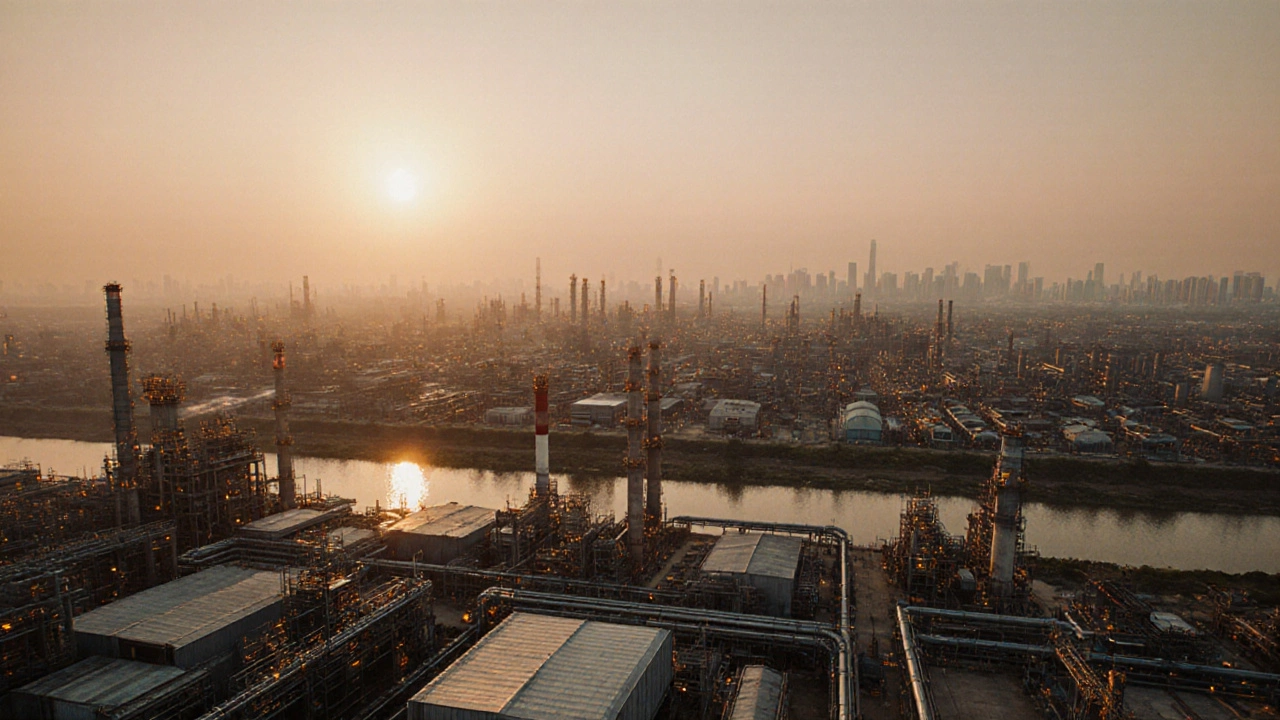
Top High-Demand Chemicals in India 2025: Market Size, Growth Drivers & Opportunities
Discover which chemicals are in the highest demand in India for 2025, their market size, growth drivers, and investment opportunities.
Chemical Manufacturing
Latest Posts


Tags
- manufacturing
- small scale manufacturing
- plastic manufacturing
- India
- plastic pollution
- food processing
- textile industry
- government schemes
- electronics manufacturing
- small business
- steel manufacturing
- startup ideas
- production
- textile manufacturers India
- manufacturing business ideas
- business ideas
- chemical manufacturers India
- electronics manufacturing India
- steel manufacturing plants
- manufacturing business