Manufacturing Systems: How They Work and Why India Is Building Better Ones
When you think of manufacturing systems, a coordinated setup of machines, workers, and software that turns raw materials into finished products. Also known as production systems, it’s what makes everything from smartphones to steel beams possible. It’s not just about big factories and loud machines—it’s about how things are planned, moved, checked, and finished. A good manufacturing system doesn’t waste time, materials, or energy. It just gets the job done—reliably, consistently, and at a cost that makes sense.
These systems come in different shapes. Some are simple, like a small workshop where one person assembles furniture by hand. Others are complex, like a car plant with robots welding parts in under a minute. What ties them together? automation, using machines or software to do tasks without constant human input. production efficiency, how much output you get for the time, labor, and materials you put in. And industrial manufacturing, large-scale production that supplies goods to markets, not just local customers. These aren’t buzzwords—they’re the real metrics that separate businesses that survive from those that don’t.
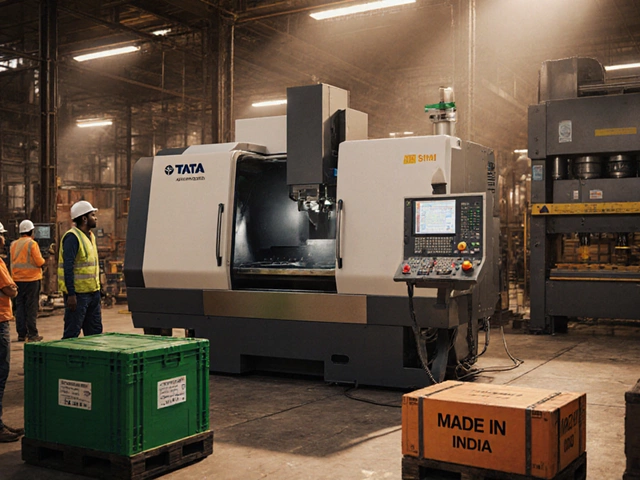
India’s manufacturing systems are changing fast. Ten years ago, most factories here relied on manual labor and outdated tools. Today, you’ll find small workshops in Gujarat using CNC machines to cut metal parts, and electronics hubs in Tamil Nadu assembling smartphones with automated inspection lines. Why? Because global buyers want quality, speed, and consistency—and Indian manufacturers are stepping up. The government’s push for Make in India isn’t just about slogans. It’s about upgrading entire systems: better power supply, smarter logistics, and training workers to handle new tech.
What you’ll find in the posts below isn’t theory. It’s real examples. How a single person turned scrap plastic into profitable phone stands. Why Gujarat leads India’s chemical production. Which U.S. steel fabricator handles more than 12 million tons a year. How food processing uses seven basic steps to turn wheat into bread. You’ll see how small manufacturers compete with giants, how voltage differences affect electronics, and why some industries are disappearing while others explode. This isn’t about guessing the future. It’s about seeing what’s already working—and how you can use it.
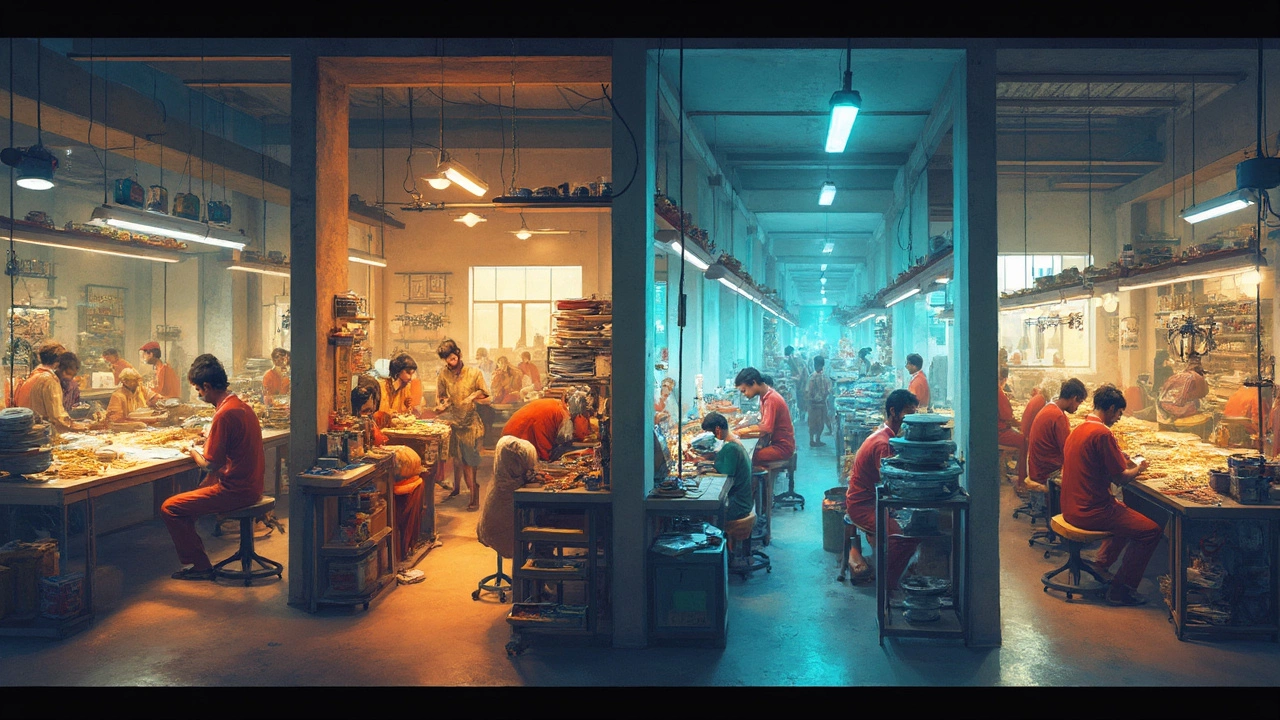
Manufacturing Systems: The Four Core Types Explained Simply
Ever wondered how products go from raw materials to finished goods? This article breaks down the four basic types of manufacturing systems you see everywhere, showing how each one works and why it matters for government support and business success. With practical tips and real-life examples, you'll see how choosing the right system can boost efficiency and even qualify your business for handy government programs. Ideal for manufacturers, government scheme applicants, or anyone curious about how stuff gets made. Discover the pros, cons, and the surprising ways these systems shape our daily lives.
Government Schemes
Latest Posts




Tags
- manufacturing
- small scale manufacturing
- plastic manufacturing
- India
- plastic pollution
- food processing
- textile industry
- government schemes
- electronics manufacturing
- small business
- steel manufacturing
- startup ideas
- production
- textile manufacturers India
- manufacturing business ideas
- business ideas
- chemical manufacturers India
- electronics manufacturing India
- steel manufacturing plants
- manufacturing business