Legal Framework in Indian Manufacturing: Rules, Policies, and What Matters Most
When you run a manufacturing business in India, the legal framework, the set of laws, regulations, and policies that govern how businesses operate. Also known as industrial regulations, it’s not just paperwork—it’s the backbone of every factory, workshop, and supply chain. This isn’t about compliance for compliance’s sake. It’s about knowing what you can and can’t do, who owns what data, and where your products can legally be sold. Skip this, and you risk fines, shutdowns, or worse—losing your license to operate.
The Digital Personal Data Protection Act (DPDP), India’s new law that controls how businesses collect, store, and use personal data. Also known as India’s GDPR, it applies to every manufacturer who collects customer info, tracks website visitors, or uses employee records. If you run a site like Falcon Manufacturing Solutions India, you need to know your obligations. But it’s not just tech companies. Even a small textile unit collecting buyer emails or a food plant storing worker health data must follow DPDP. Then there’s the Gujarat Textile Policy 2024, a state-level incentive program offering subsidies, tax breaks, and infrastructure support to textile manufacturers. It’s a perfect example of how local rules can make or break profitability. Gujarat isn’t just a state—it’s a policy engine driving India’s textile exports. Other states have similar schemes, but few are as detailed or as well-funded.
These aren’t isolated rules. The legal framework connects everything. A chemical plant in Maharashtra needs permits under environmental laws, safety codes, and labor regulations. An electronics maker in Tamil Nadu must meet import rules for components, export standards for overseas buyers, and data handling rules under DPDP. Even if you’re making handcrafted furniture, you still need a Udyam registration, GST compliance, and fire safety clearance. Ignoring one piece means the whole structure cracks. The posts below show real cases: how a plastic manufacturer got hit by pollution laws, how a pharma company navigated licensing, and how a small factory in Gujarat used policy changes to scale up. You’ll see what others did right—and wrong. No theory. No fluff. Just the rules that actually affect your day-to-day work.
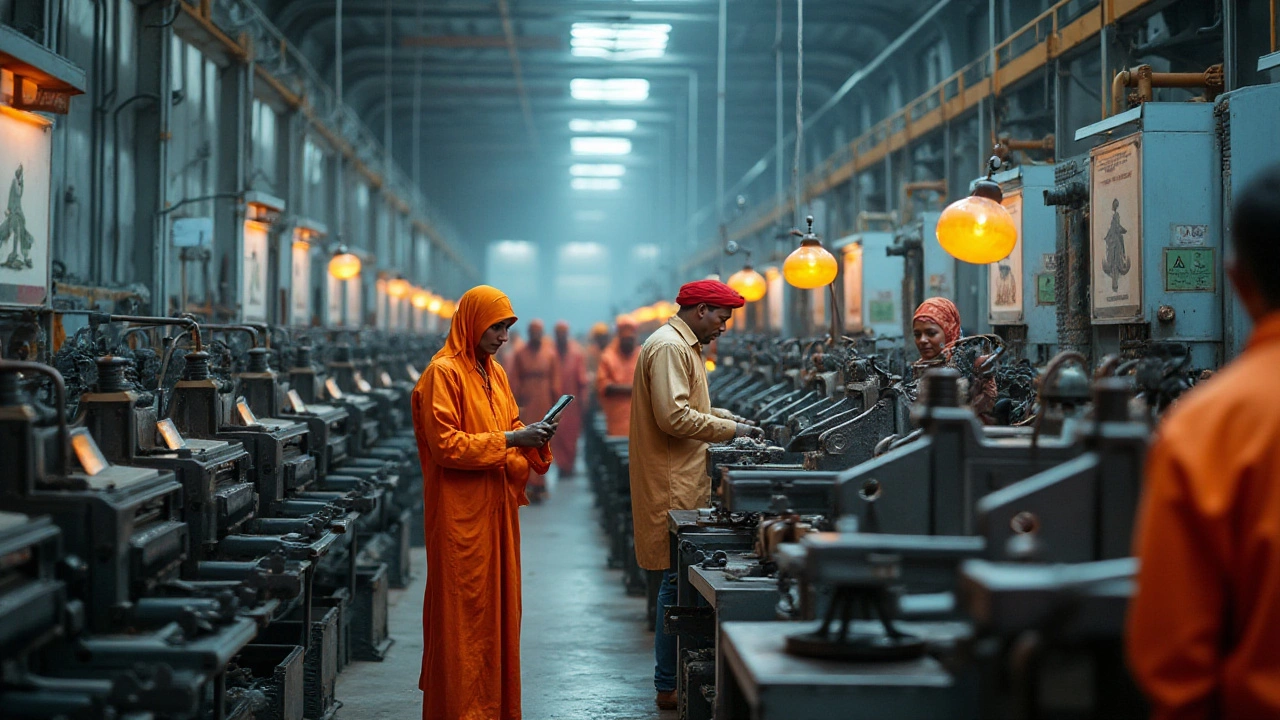
Understanding the Legal Framework of Manufacturing in Industry
Manufacturing within the legal framework is an intricate domain encompassing laws and regulations that govern the production industry. The article delves into how these laws develop industrial landscapes and explores government schemes supporting manufacturers. Key insights on the legal obligations faced by manufacturers aim to provide clarity on the subject. It also highlights the relationship between law and innovation in manufacturing.
Government Schemes
Latest Posts



Tags
- manufacturing
- small scale manufacturing
- plastic manufacturing
- India
- plastic pollution
- food processing
- textile industry
- government schemes
- electronics manufacturing
- small business
- steel manufacturing
- startup ideas
- production
- textile manufacturers India
- manufacturing business ideas
- business ideas
- chemical manufacturers India
- electronics manufacturing India
- steel manufacturing plants
- manufacturing business