Government Schemes for Manufacturing in India: What You Can Actually Use
When you hear government schemes, financial or policy-based support programs offered by Indian state or central authorities to boost local industry. Also known as industrial incentives, they’re not just paperwork—they’re cash, tax breaks, and training that real manufacturers use to grow. Too many people think these are for big factories only. That’s wrong. The biggest wins go to small shops, home-based makers, and local workshops that know where to look.
Take MSME schemes, support programs specifically designed for micro, small, and medium enterprises in India. They cover everything from subsidized machinery loans to free skill training. In Gujarat, the Gujarat Textile Policy 2024, a state-level initiative offering direct subsidies, power cost reductions, and export incentives to textile manufacturers helped dozens of small weavers upgrade looms without taking on debt. Same goes for electronics—states like Tamil Nadu and Karnataka offer land at half price and 10-year tax holidays to anyone setting up a small assembly line.
These aren’t myths. They’re live, active, and waiting for someone to claim them. The trick? You don’t need a lawyer or a consultant. Most schemes require just three things: a Udyam registration, a clear business plan, and the guts to apply. A maker in Ludhiana used a central government grant to turn scrap metal into custom brackets—now he exports to Bangladesh. A woman in Coimbatore got a subsidy to buy a CNC machine and now supplies auto parts to local dealers. These aren’t outliers. They’re examples of what happens when people stop waiting and start reading the fine print.
Some schemes target specific sectors—chemicals in Gujarat, electronics in Andhra Pradesh, pharma in Telangana. Others are open to anyone with a machine and a goal. The Make in India, national initiative encouraging domestic manufacturing through policy reforms, tax benefits, and infrastructure support umbrella covers dozens of smaller programs you’ve probably never heard of. And yes, some are messy, slow, or full of red tape. But the ones that work? They change everything.
Below, you’ll find real stories from people who used these schemes to start or scale their manufacturing businesses—no fancy degrees, no investors, just the right form at the right time. Some got 50% off equipment. Others got free training for their workers. One guy got a grant just to fix his factory’s roof so he could keep running during monsoon season. These aren’t theoretical benefits. They’re tools. And if you’re making something in India, you’re already in the game—you just need to know where to reach for the next handhold.
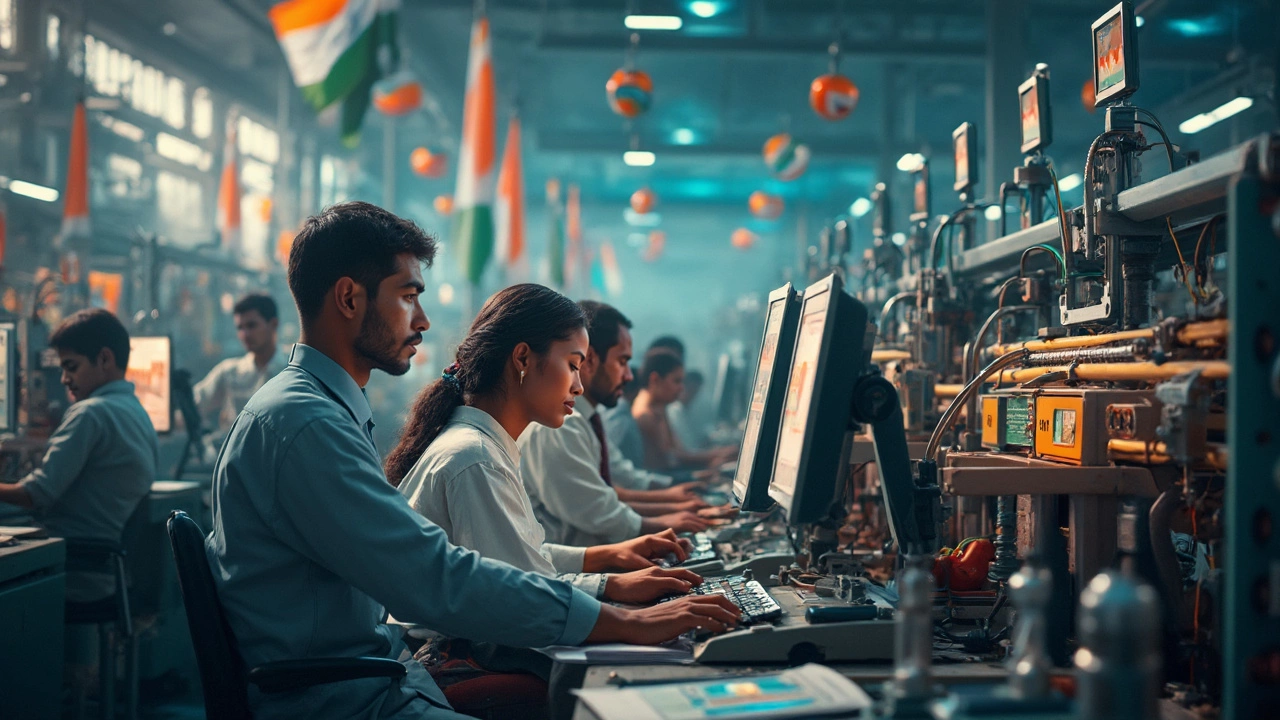
Is Manufacturing Good for the Economy? A Real-World Look at Its Impact
This article digs into whether manufacturing actually boosts the economy or just gets good press. You'll see how jobs, government programs, exports, and even tech play a role. Real numbers and recent trends keep things honest. The article also calls out some common myths and shares what works in the real world. Learn practical tips for recognizing solid government schemes in manufacturing.
Government Schemes
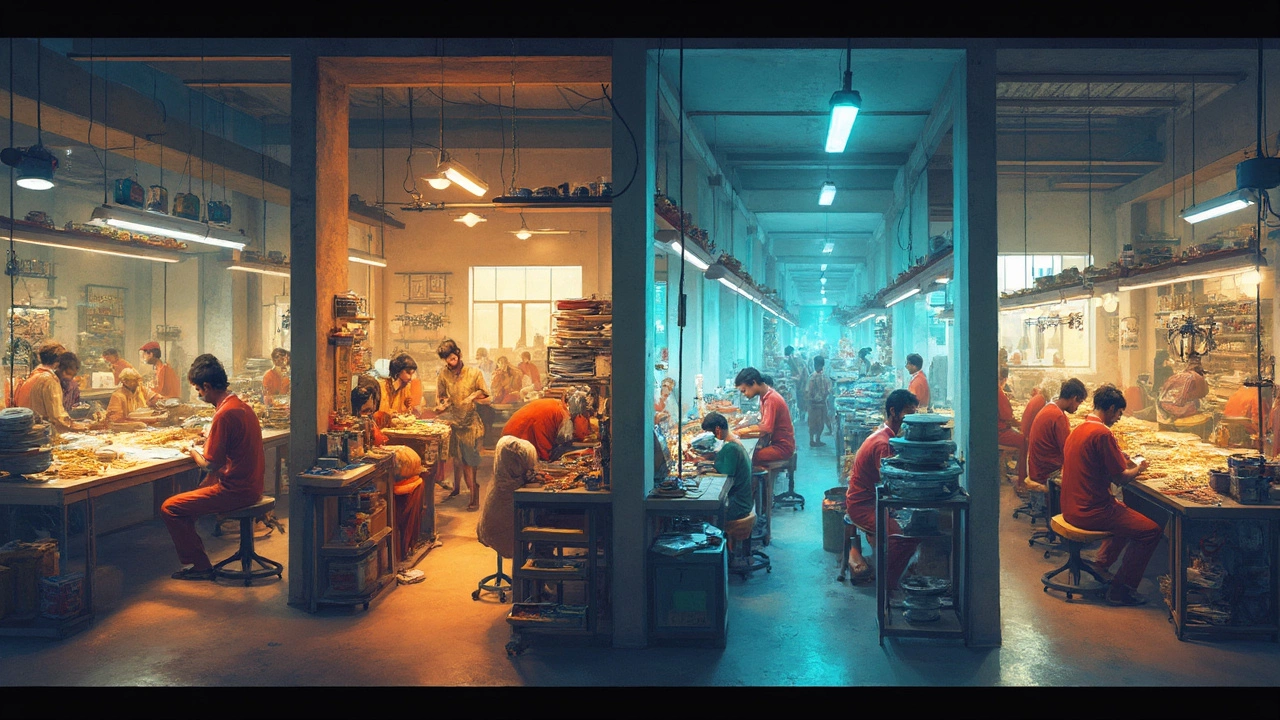
Manufacturing Systems: The Four Core Types Explained Simply
Ever wondered how products go from raw materials to finished goods? This article breaks down the four basic types of manufacturing systems you see everywhere, showing how each one works and why it matters for government support and business success. With practical tips and real-life examples, you'll see how choosing the right system can boost efficiency and even qualify your business for handy government programs. Ideal for manufacturers, government scheme applicants, or anyone curious about how stuff gets made. Discover the pros, cons, and the surprising ways these systems shape our daily lives.
Government Schemes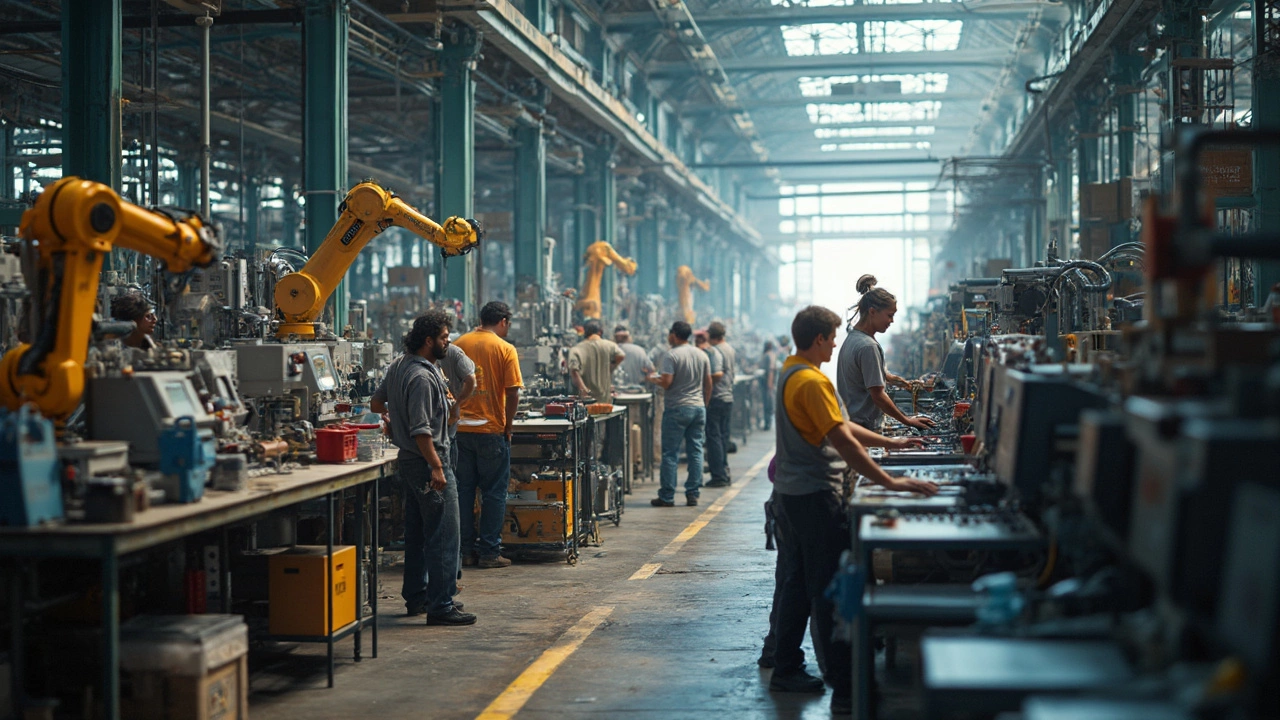
Are Manufacturing Jobs Coming Back to America? New Realities Behind the Headlines
This article looks at whether manufacturing jobs are really returning to America and what that means for workers. It explores the impact of government policies, incentives, and the changing nature of factory work. You'll get honest insight into the jobs that are coming back and what kinds of skills employers want now. Plus, expect tips on how to take advantage of this shift if you're thinking about a career in manufacturing.
Government Schemes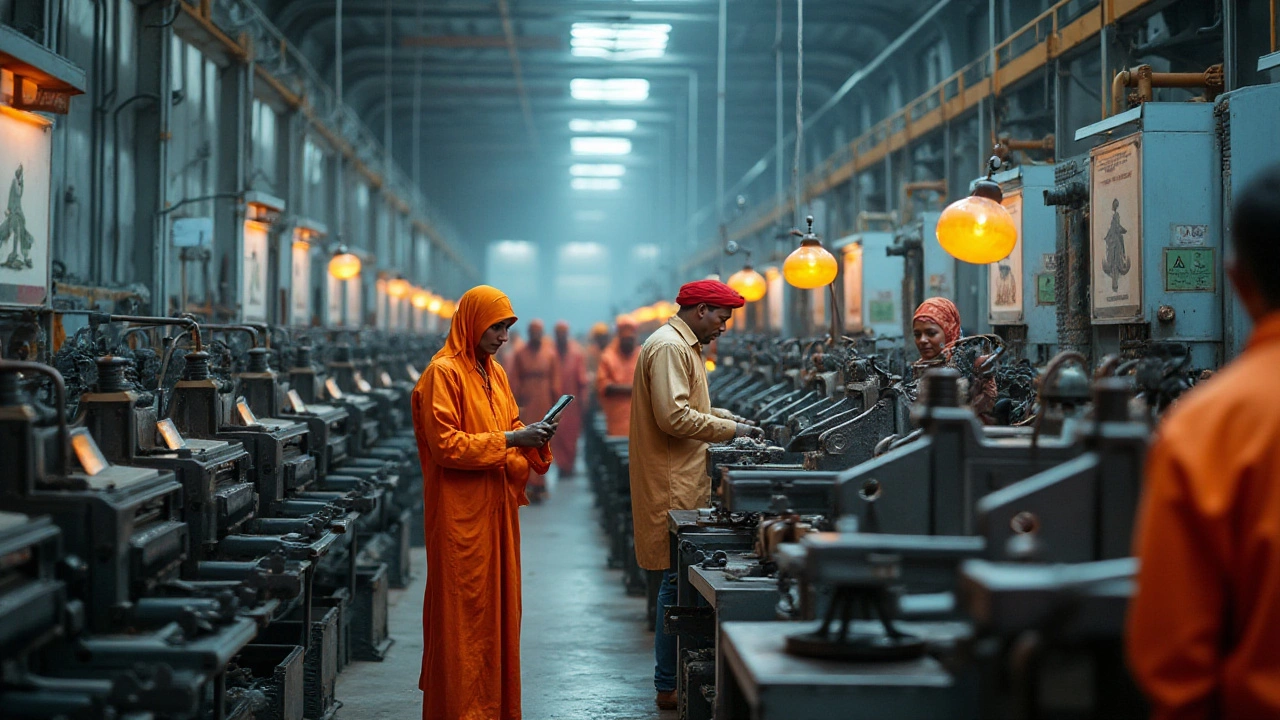
Understanding the Legal Framework of Manufacturing in Industry
Manufacturing within the legal framework is an intricate domain encompassing laws and regulations that govern the production industry. The article delves into how these laws develop industrial landscapes and explores government schemes supporting manufacturers. Key insights on the legal obligations faced by manufacturers aim to provide clarity on the subject. It also highlights the relationship between law and innovation in manufacturing.
Government SchemesLatest Posts





Tags
- manufacturing
- small scale manufacturing
- plastic manufacturing
- India
- plastic pollution
- food processing
- textile industry
- government schemes
- electronics manufacturing
- small business
- steel manufacturing
- startup ideas
- production
- textile manufacturers India
- manufacturing business ideas
- business ideas
- chemical manufacturers India
- electronics manufacturing India
- steel manufacturing plants
- manufacturing business