Environmental Impact of Manufacturing: What It Really Means for India
When we talk about environmental impact, the harm industrial activities cause to air, water, soil, and ecosystems. Also known as industrial pollution, it’s not just about smokestacks—it’s about plastic choking rivers, chemical runoff poisoning farmland, and waste piles growing faster than cities can manage. India’s manufacturing boom has lifted millions out of poverty, but it’s also left behind a trail of damage that’s harder to ignore.
The plastic pollution, the massive buildup of single-use plastics in landfills and waterways. Also known as plastic waste, it’s not a distant problem—it’s in your local river, your neighbor’s backyard, and the food chain. Companies like Coca-Cola, Nestlé, and PepsiCo produce billions of packages yearly, and while they promise recycling, most plastic never gets processed. In India, where waste systems are stretched thin, this burden falls on communities, not corporations. Then there’s the chemical manufacturing, the production of industrial chemicals used in textiles, pharma, and electronics. Also known as chemical industry waste, it’s one of the most dangerous sectors. Gujarat alone produces nearly half of India’s chemicals, and with little oversight in many small plants, toxic runoff ends up in groundwater. People drink it. Crops absorb it. Fish die in it. And it’s not just big factories. Even small manufacturers—those making furniture, electronics, or food packaging—are part of the problem. They use cheap materials, skip treatment, and cut corners to stay competitive.
But here’s the real shift: environmental impact isn’t just a cost anymore—it’s a business risk. Buyers in Europe and the U.S. now demand proof that products aren’t made with dirty processes. Banks won’t fund factories with pollution violations. Workers are leaving jobs where the air burns their lungs. The companies that survive aren’t the ones doing the least—they’re the ones fixing the most. From turning scrap plastic into new products to using solar-powered machines, Indian manufacturers are proving you don’t need to destroy nature to make a profit.
What you’ll find below are real stories from the ground: how a home-based maker turned trash into cash, why India’s furniture exports are growing without cutting down forests, and how the biggest plastic polluters are being called out—not by activists, but by customers. These aren’t theory pieces. They’re action guides. And they show that cleaning up manufacturing isn’t about giving something up. It’s about building something better.
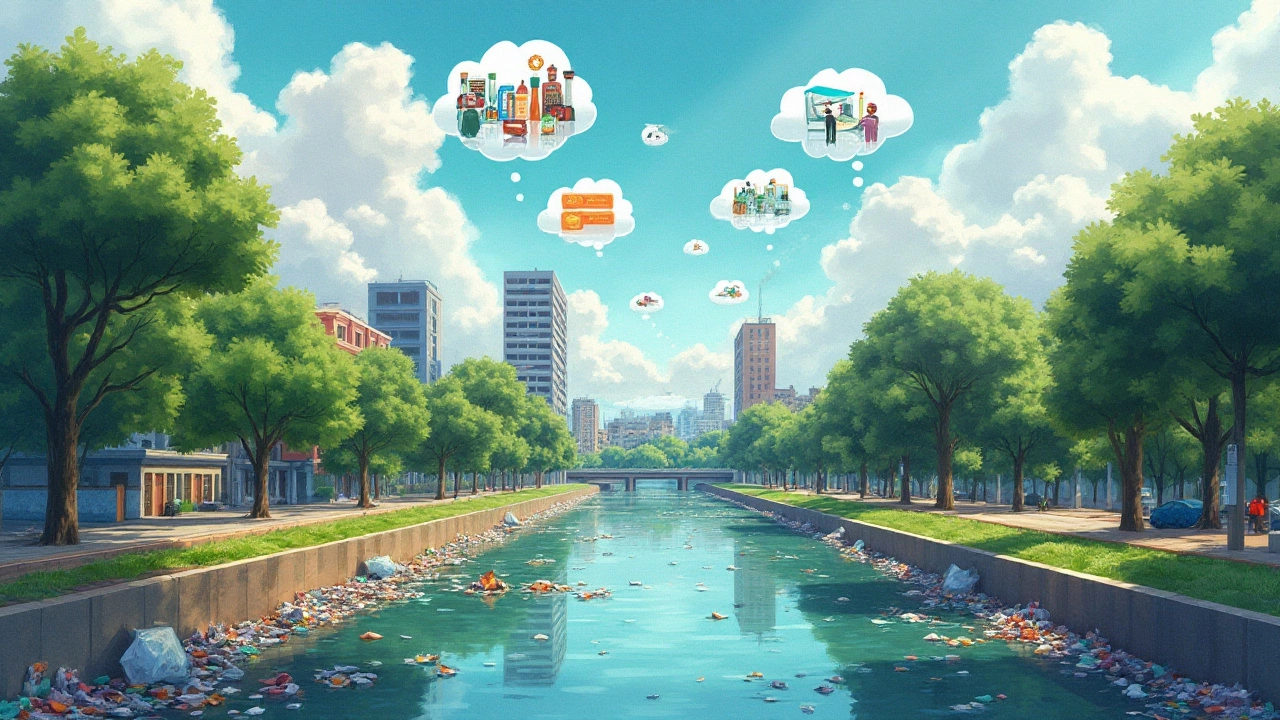
Unmasking the Culprits: Who Holds Responsibility for Plastic Pollution?
Plastic pollution is a growing environmental crisis that affects ecosystems and human health. While consumers often bear the blame, a significant part of the responsibility lies with plastic manufacturing companies. By understanding their role in pollution and the initiatives some companies are taking for sustainability, we can forge a path towards a cleaner planet. This article explores the complex relationship between manufacturers, policies, and public demand in tackling plastic waste.
Business and Industry
Latest Posts
Tags
- manufacturing
- small scale manufacturing
- plastic manufacturing
- plastic pollution
- India
- food processing
- textile industry
- government schemes
- electronics manufacturing
- small business
- steel manufacturing
- startup ideas
- production
- textile manufacturers India
- manufacturing business ideas
- business ideas
- chemical manufacturers India
- electronics manufacturing India
- steel manufacturing plants
- plastic manufacturers