Automation in Manufacturing: How It's Changing Indian Factories
When you think of automation, the use of technology to perform tasks with minimal human input. Also known as industrial automation, it's no longer just for big plants—it's reaching small workshops across Gujarat, Tamil Nadu, and Maharashtra. It’s not about replacing people. It’s about making work easier, safer, and more consistent. A small metal fabricator in Ludhiana using an automated cutter can now produce 500 parts a day instead of 150. That’s not magic. That’s automation.
Automation isn’t one thing. It includes robotic arms, machines that move, weld, or assemble parts without human hands, CNC machines, computer-controlled tools that cut metal or wood with laser precision, and even simple sensors, devices that detect when a part is in place or a machine is overheating. These aren’t sci-fi gadgets. They’re tools now being adopted by Indian manufacturers who want to compete globally. You don’t need a billion-dollar budget. Many start with one automated station—like a conveyor belt that sorts parts, or a machine that labels bottles without a person standing beside it.
What’s driving this change? Cost. Labor shortages. Quality demands. A textile unit in Surat added automated cutting tables and cut waste by 30%. A food processor in Punjab installed automated filling lines and reduced contamination risks. These aren’t big names—they’re local businesses. And they’re proving you don’t need to be a giant to benefit. Automation is becoming the new baseline, not the luxury. Even if you run a small workshop, you’re already seeing its effects—in the speed of deliveries, the consistency of products, the way orders are tracked.
Some worry automation will kill jobs. But the truth is simpler: it changes them. The person who used to hand-feed a machine now monitors its output. The worker who counted parts manually now checks data on a tablet. The skills shift, but the need for people doesn’t vanish. In fact, factories that automate often hire more—not for grunt work, but for maintenance, programming, and quality control. India’s push for ‘Make in India’ isn’t just about making things. It’s about making them smarter.
What you’ll find in these posts isn’t theory. It’s real examples—how a tiny plastic molding unit in Coimbatore cut downtime by 40% with a simple sensor system. How a furniture maker in Uttar Pradesh doubled output without hiring extra staff. How automation isn’t just for electronics or cars—it’s in food packaging, textile weaving, even handcrafted metalwork. You don’t need to be a tech expert to use it. You just need to know where to start.
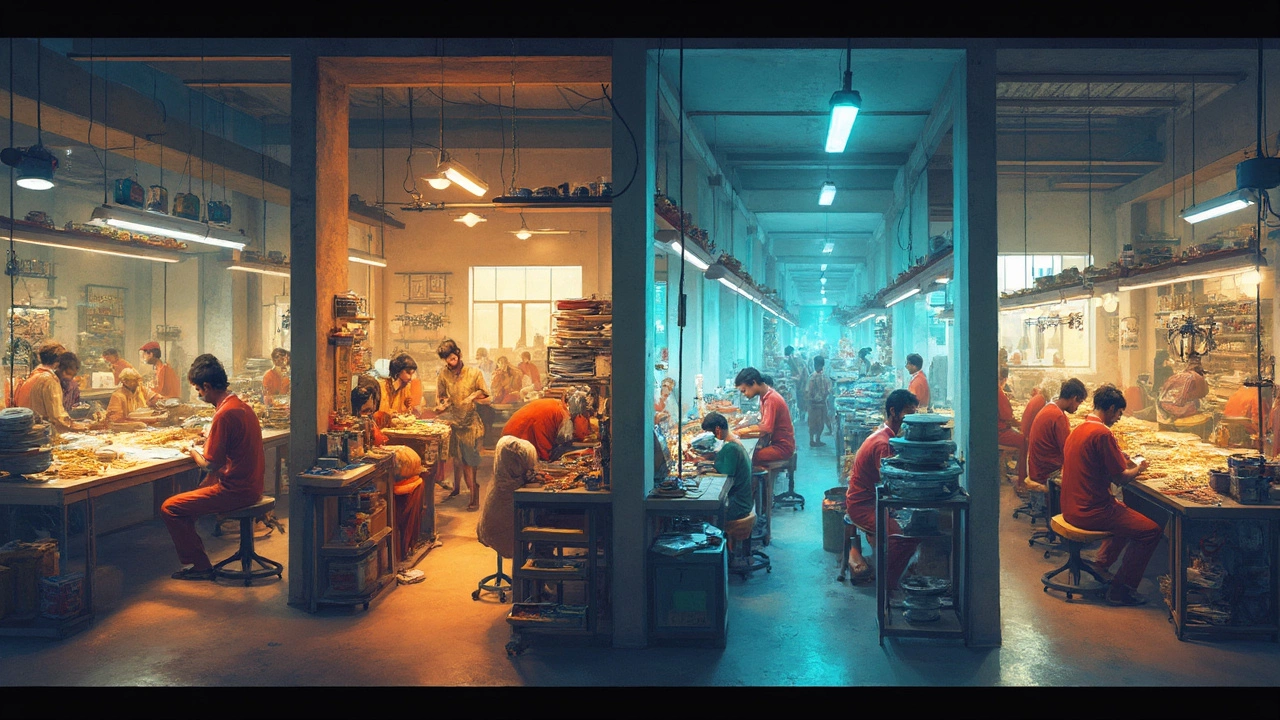
Manufacturing Systems: The Four Core Types Explained Simply
Ever wondered how products go from raw materials to finished goods? This article breaks down the four basic types of manufacturing systems you see everywhere, showing how each one works and why it matters for government support and business success. With practical tips and real-life examples, you'll see how choosing the right system can boost efficiency and even qualify your business for handy government programs. Ideal for manufacturers, government scheme applicants, or anyone curious about how stuff gets made. Discover the pros, cons, and the surprising ways these systems shape our daily lives.
Government Schemes
Latest Posts



Tags
- manufacturing
- small scale manufacturing
- plastic manufacturing
- India
- plastic pollution
- food processing
- textile industry
- government schemes
- electronics manufacturing
- small business
- steel manufacturing
- startup ideas
- production
- textile manufacturers India
- manufacturing business ideas
- business ideas
- chemical manufacturers India
- electronics manufacturing India
- steel manufacturing plants
- manufacturing business