
Indian Textile Heritage Quiz & Timeline
Loading question...
Quiz Complete!
Your Score: 0/5
Keep learning about India's industrial heritage.
Key Milestones in Indian Textile History
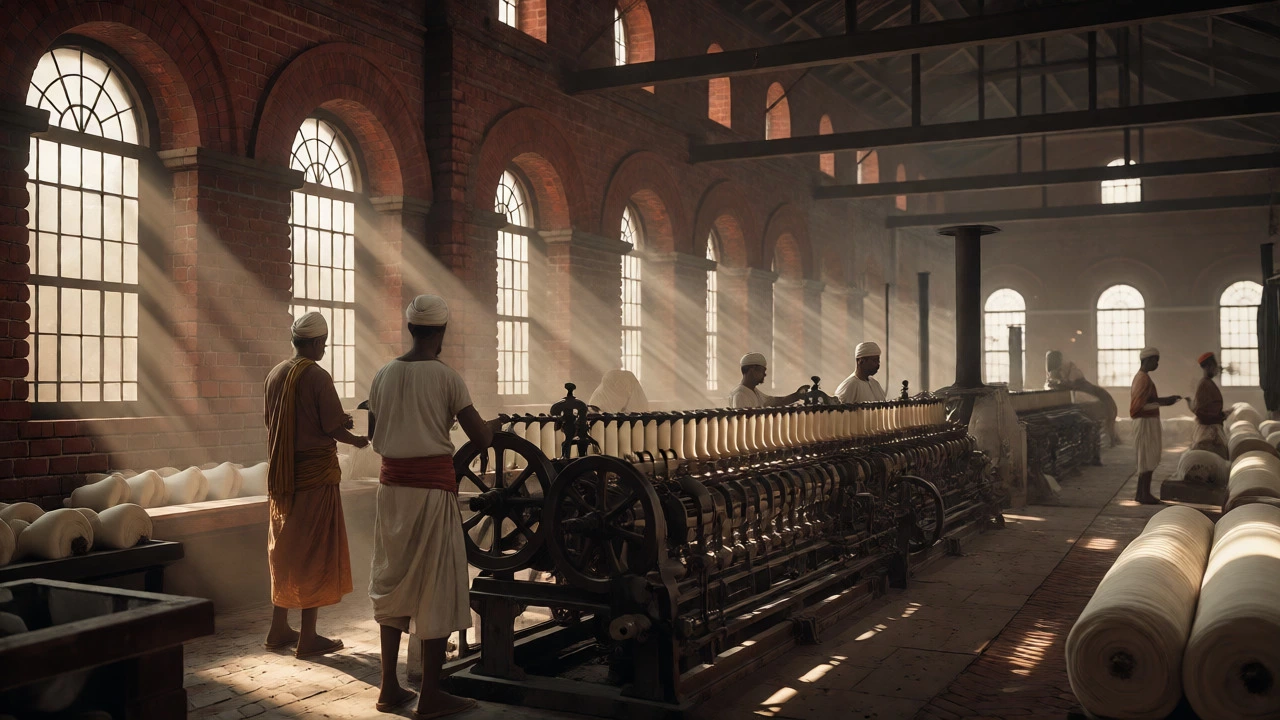
First Cotton Mill: Bombay Spinning and Weaving Company established by Cowasjee Nanabhoy Davar. Marks the start of mechanized production.
Status: Defunct as independent entityBombay Dyeing Founded: Established by Dinshaw Maneckji Petit. The oldest continuously operating brand with original identity.
Status: Active (Wadia Group)Raymond Ltd Founded: Entered the suiting fabric market, becoming a household name for formal wear later.
Status: Active (Public)Arvind Ltd Founded: Started as a trading house, later became a global leader in denim and technical fabrics.
Status: Active (Public)Nationalization: Formation of National Textile Corporation (NTC) to manage sick mills. Many brands lost their identities here.
Impact: Consolidation & Identity LossEconomic Liberalization: End of license raj. Increased competition from imports forced legacy mills to modernize or close.
Impact: Modernization PressureYou might assume that a company founded in the late 19th century holds the title for the oldest textile company in India. But if you dig into the archives of the Indian subcontinent’s industrial history, you’ll find that the answer isn’t just about founding dates-it’s about survival, continuity, and corporate identity. While several mills from the British Raj era still stand as museums or ruins, only one major entity consistently claims the crown for being the oldest continuously operating textile manufacturer with a modern corporate structure.
The short answer? Bombay Dyeing & Manufacturing Co., established in 1879, is widely recognized as the oldest textile company in India that has maintained continuous operations under its original brand identity through various ownership changes. However, this claim comes with heavy asterisks. To truly understand who deserves the title, we need to look past the marketing brochures and examine the messy reality of colonial-era industries, nationalization, and mergers.
Why Defining "Oldest" Is Tricky in the Indian Context
Before we crown a winner, let’s address why this question doesn’t have a single, clean answer. In many Western countries, companies like Armani or Burberry have clear, unbroken lineage. In India, the story is different. The textile industry here was heavily disrupted by three major events: the independence movement, the nationalization policies of the 1960s and 70s, and the economic liberalization of 1991.
Many of the earliest mills, such as those started by Parsi entrepreneurs in Mumbai (then Bombay) in the mid-1850s, either closed down, were taken over by the government, or merged into larger conglomerates. For instance, the first cotton mill in India, established in 1854 in Mumbai, no longer exists as an independent entity. So when we ask for the "oldest," we are usually looking for the oldest surviving brand that still produces textiles today.
Bombay Dyeing: The Contender for the Crown
Bombay Dyeing fits the criteria for most people asking this question. Founded in 1879 by Dinshaw Maneckji Petit, it started as a small dyeing unit but grew rapidly into a massive manufacturing powerhouse. Unlike many of its contemporaries that focused solely on spinning yarn, Bombay Dyeing integrated backward into weaving and finishing early on. This vertical integration allowed them to control quality and scale, which helped them survive the volatility of the global cotton markets during World War I and II.
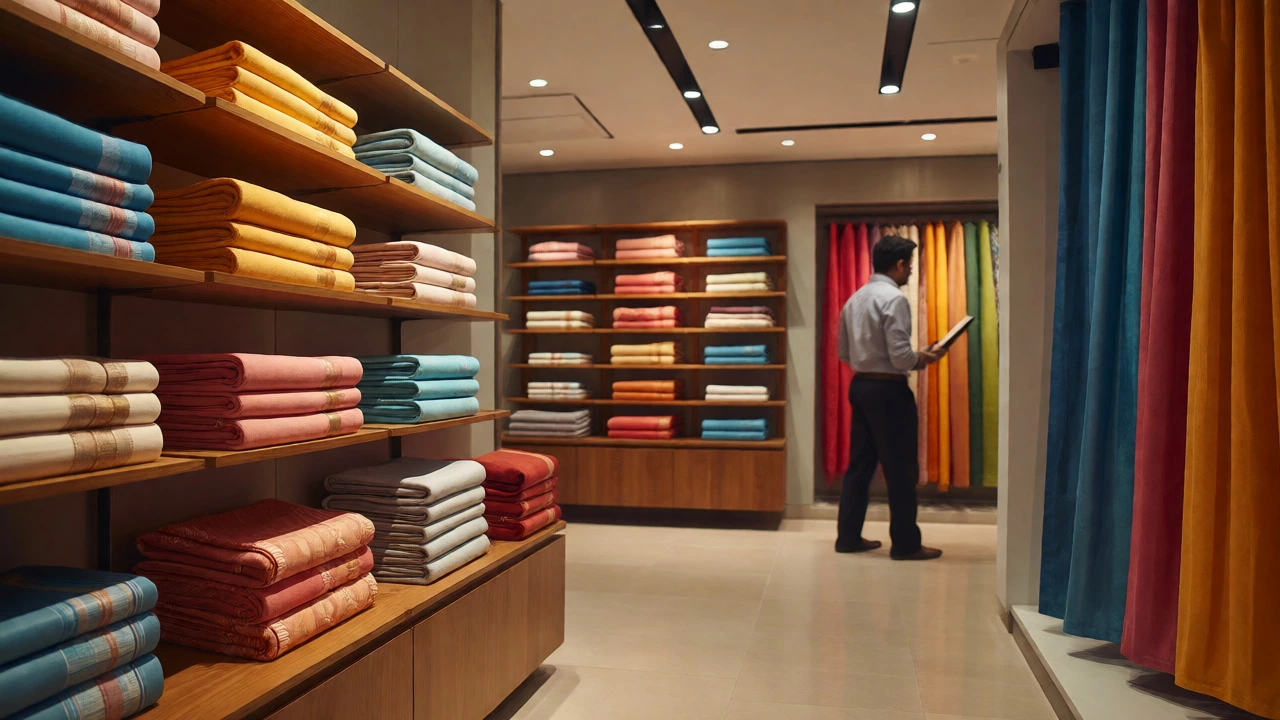
What makes their longevity impressive isn’t just age-it’s adaptability. They transitioned from a purely B2B (business-to-business) manufacturer to a consumer-facing home textiles giant. Today, if you walk into any major Indian retailer, you will likely see their bedsheets or curtains. They hold the distinction of being one of the few pre-independence brands that successfully pivoted to retail without losing their core manufacturing capabilities.
The Historical Heavyweights: Mills That Came Before
To be fair to history, we must acknowledge the giants that came before Bombay Dyeing. If your definition of "company" includes entities that may have changed names or structures drastically, other candidates emerge.
- The Elphinstone Mill (1854): Located in Mumbai, this was the first modern cotton mill in India. It pioneered mechanized production. However, it ceased operations long ago, and its legacy is more architectural than commercial.
- Arvind Limited: Often cited in business circles, Arvind traces its roots back to 1931. While younger than Bombay Dyeing, it is arguably more influential in the modern denim and technical fabrics market. It didn’t start as a traditional handloom outfit but as a trading house that moved into manufacturing.
- Mahindra & Mahindra (Textile Division): While known for tractors now, their textile origins date back to the 1940s, making them younger than Bombay Dyeing but older than many IT-age startups.
The key difference is continuity. Many old mills were absorbed by the National Textile Corporation (NTC) after nationalization in 1969. NTC took over hundreds of sick units. Some of these units had histories going back to the 1860s, but they lost their original brand identities. Bombay Dyeing, however, retained its name and private status (mostly) throughout the decades, thanks to strategic management by the Wadia Group.
| Company Name | Founded Year | Status | Primary Focus Today |
|---|---|---|---|
| Bombay Dyeing | 1879 | Active (Private) | Home Textiles, Towels, Bedsheets |
| Arvind Ltd | 1931 | Active (Public) | Denim, Technical Fabrics, Retail Brands |
| Raymond Ltd | 1925 | Active (Public) | Suiting Fabric, Apparel |
| Trident Ltd | 1990 | Active (Public) | Terry Towels, Paper, Yarn |
How the Industry Evolved: From Handlooms to Power Looms
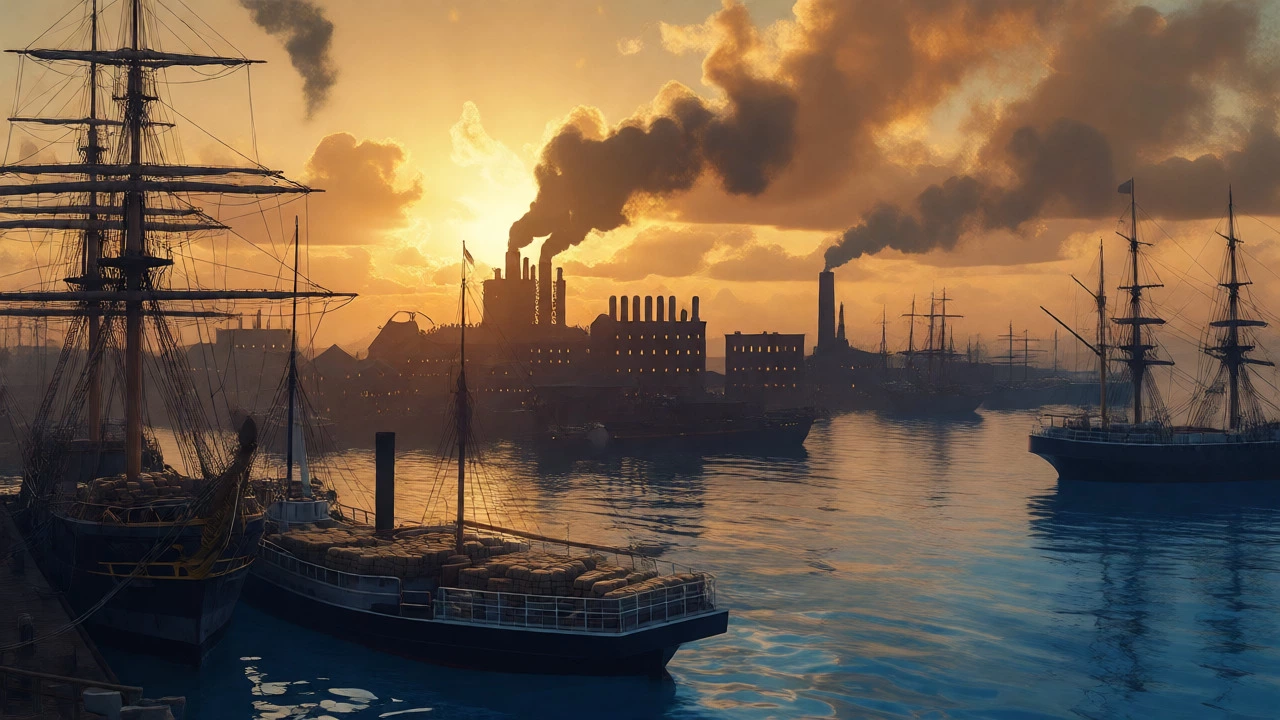
Understanding why Bombay Dyeing survived requires understanding the shift in the Indian textile landscape. Before the 19th century, India was the world’s factory for handwoven cotton. The British East India Company initially exported Indian cloth to Europe. But once Britain industrialized, they flooded India with cheap machine-made cloth, devastating local weavers.
The rise of companies like Bombay Dyeing was a direct response to this threat. Indian entrepreneurs realized they couldn’t compete with British imports using handlooms alone. They needed power looms. By adopting steam-powered machinery in the late 1800s, these new companies could produce fabric faster and cheaper. This technological leap is what separated the survivors from the extinct. Companies that stuck to traditional methods often folded, while those that embraced mechanization-like Bombay Dyeing and later Arvind-thrived.
Regional Hubs: Where These Old Giants Were Born
It’s no coincidence that the oldest textile companies originated in specific regions. Geography played a huge role in their success.
Mumbai (Maharashtra): This city is the birthplace of the organized textile industry. Why? Because of its port. Cotton grown in central India could be easily shipped to Mumbai for processing and export. The humid climate also helped prevent thread breakage during spinning. This is why almost all the "firsts" in Indian textiles happened here.
Ahmedabad (Gujarat): Known as the "Manchester of India," Ahmedabad became the second hub. Its proximity to cotton-growing regions in Gujarat and a culture of entrepreneurship led to the rise of families like the Sarabhai group, which founded Arvind. The labor force here was skilled and abundant, keeping costs low.
If you’re researching the oldest companies, you’ll notice a pattern: they are clustered in these two cities. The infrastructure built in the 1800s-railways connecting farms to mills, ports for exports-created an ecosystem that supported long-term growth.
Common Misconceptions About "Oldest" Brands
People often confuse brand recognition with historical age. For example, some might think Raymond is older because it’s synonymous with suits in India. But Raymond was founded in 1925, nearly half a century after Bombay Dyeing. Similarly, people might cite Fabindia, which is famous for handlooms, but it was founded in 1976-far too young to contest the title.
Another misconception is that state-owned enterprises are always older. While the National Textile Corporation manages many old mills, it was formed in 1969. The mills themselves might be old, but the corporate entity managing them is relatively new. When investors or historians talk about the "oldest company," they usually mean the legal entity that has operated continuously, not just the physical building.
Why This History Matters for Modern Buyers
You might wonder, why should you care which company is the oldest? It actually impacts product quality and trust. Older companies have centuries of accumulated expertise in fiber handling, dyeing techniques, and quality control. They have weathered recessions, wars, and policy shifts. This resilience often translates into consistent product standards.
For instance, Bombay Dyeing’s long experience in dyeing processes means their colors are less likely to fade compared to newer, smaller manufacturers who haven’t refined their chemical processes over decades. When you buy from a heritage brand, you’re paying partly for that institutional knowledge.
Final Verdict: Who Holds the Title?
If you are looking for the oldest textile company in India that is still active, recognizable, and producing goods under its original name, Bombay Dyeing is the correct answer. Founded in 1879, it represents the dawn of modern industrial textile manufacturing in the country.
While there were earlier attempts at mechanized spinning in the 1850s, those entities did not survive as coherent corporate brands. Bombay Dyeing’s ability to navigate the transition from colonial trade to post-independence nationalism, and finally to global competition, makes it unique. It’s not just the oldest; it’s one of the few that managed to stay relevant in a market dominated by fast fashion and e-commerce.
Is Bombay Dyeing still privately owned?
Yes, Bombay Dyeing is largely controlled by the Wadia Group, a prominent Indian industrial family. While it has had public shareholders, the core control remains within the family, which has contributed to its long-term strategic stability compared to publicly traded firms that face quarterly pressure.
What was the first cotton mill in India?
The first modern cotton mill in India was established in 1854 in Mumbai by Cowasjee Nanabhoy Davar. It was called the Bombay Spinning and Weaving Company. However, unlike Bombay Dyeing, this specific company did not continue operations indefinitely under the same name and structure.
Does Arvind Limited claim to be the oldest?
No, Arvind Limited acknowledges its founding in 1931. While it is one of the largest and most technologically advanced textile companies in India today, it is significantly younger than Bombay Dyeing in terms of historical origin.
Why did so many old Indian textile mills close down?
Many closed due to aging infrastructure, high labor costs, inability to upgrade technology, and stiff competition from cheaper imports after the 1991 economic liberalization. Others were shut down due to land value appreciation in cities like Mumbai, where real estate became more valuable than manufacturing.
Can I visit the headquarters of the oldest textile company?
Yes, Bombay Dyeing’s registered office is in Mumbai. While the original 1879 factory sites may have been repurposed or demolished, the company maintains operational facilities across India. Their retail stores are widespread, allowing customers to interact with the brand directly.